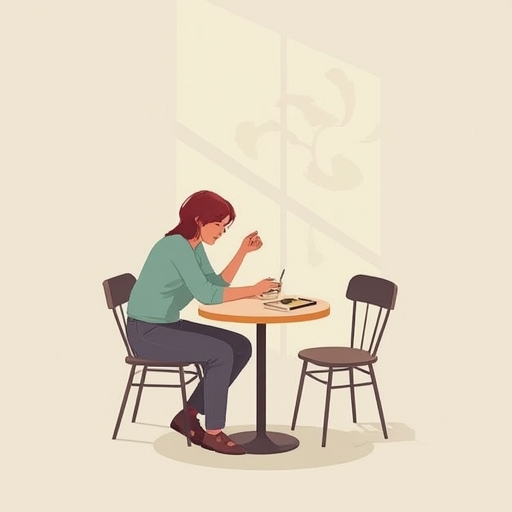
For as long as I can remember, I seemed to inhabit the role of what many affectionately call the “planner friend”—the reliable individual who constantly arranges dinners, coordinates schedules, sends out reminders, and ensures that everyone stays connected even when life tries to scatter us apart. For years, I found comfort and purpose in being that person. There was something fulfilling about gathering people, binding moments together, and knowing that friendships endured because someone made the effort to sustain them. Yet beneath that steady rhythm of organization lived a quiet exhaustion, one I learned to ignore until the silence of a short break began to reveal its truth.
When I intentionally stopped being the social glue—the first to text, the one suggesting plans, the friend ensuring no weekend went unfilled—I expected the pause to feel temporary, like a small experiment. Instead, it unfolded into a profound realization. The relationships that once seemed lively began to reveal their natural dynamics. Some thrived, reciprocating energy and effort. Others faded almost imperceptibly, revealing how one-sided they had quietly become. I discovered that genuine connection does not rely solely on initiative—it rests on shared intention, mutual curiosity, and emotional reciprocity.
This experience forced me to confront a truth about giving and receiving. When we are constantly the ones extending invitations or maintaining communication, we may begin to equate consistency with closeness. Yet the act of stepping back, of allowing space for others to reach toward us, becomes an illuminating mirror: it shows who values the exchange equally and who had merely grown accustomed to our effort. In that distance, authenticity surfaces.
Taking a break did not mean withdrawing from affection or abandoning care. In fact, it deepened it. I began to invest more consciously—choosing to nurture the friendships that blossomed through balance rather than dependency. Paradoxically, absence became a form of honesty. It clarified the difference between connections cultivated out of mutual respect and those sustained by habit alone.
Through this quiet recalibration, I learned that boundaries are not barriers; they are invitations to a healthier equilibrium. Allowing relationships to stand on their own strength redefines how we measure their meaning. It teaches us that maintaining friendship is not about constant motion but about shared willingness. By letting go of the impulse to always lead, I created space to simply be—and, in that stillness, found which bonds truly sought me too.
Ultimately, stepping back from being the ‘planner friend’ transformed more than my social habits—it reshaped my understanding of presence, care, and self-worth. Sometimes, the most profound connection we can foster begins with the courage to pause, observe, and trust that what is genuine will remain.
Sourse: https://www.businessinsider.com/stopped-being-friend-who-texts-first-first-make-plans-2026-4