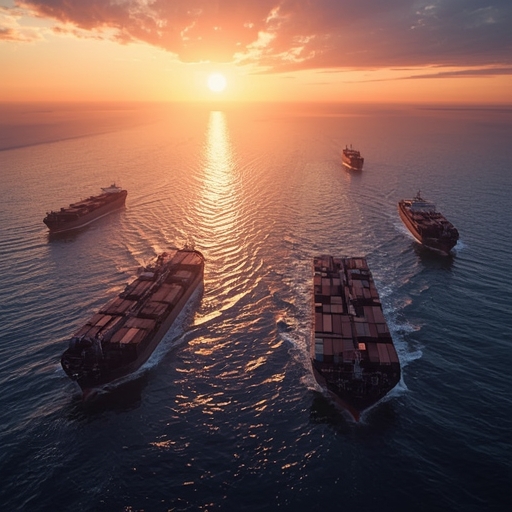
In the wake of the recently declared Israel–Lebanon ceasefire, maritime operations across the Strait of Hormuz have resumed with remarkable intensity and efficiency. This vital seaway, recognized globally as one of the most crucial energy corridors on the planet, is once again witnessing the steady, unrestricted passage of oil tankers and cargo vessels that had previously been delayed or rerouted due to the heightened regional tensions. The restoration of open navigation through this narrow but essential strait is much more than a logistical victory—it represents a renewed sense of regional stability and economic reassurance.
The uninterrupted flow of maritime traffic signals that the delicate geopolitical balance underpinning global energy distribution is stabilizing after weeks of uncertainty. Tankers, which transport a significant portion of the world’s crude oil supply, now traverse the waters under calmer conditions, creating an atmosphere of cautious optimism for energy markets and international traders alike. This reopening does not merely mark the return of ships to their regular routes—it symbolizes a collective relief for industries dependent on the steady movement of resources, from petroleum refiners and commodity traders to global shipping consortia and regional economies situated along the Gulf.
Observers note that the Strait of Hormuz functions as a kind of barometer for the world’s economic health and diplomatic climate; when these waters are peaceful and active, so too is the global exchange of goods and energy. Maritime tracking systems now display a lively tableau of synchronized movements, with fleets gliding through shimmering waters at dawn, their progress reflecting both technological precision and a cautiously renewed faith in regional cooperation. Each vessel, from massive oil carriers to agile freight ships, contributes to the rhythmic flow of commerce that binds continents together.
Beyond the economic implications, the return to an open and unimpeded Strait of Hormuz also carries a deeper resonance: it stands as a visible affirmation that diplomacy, even amid complex and long-standing conflicts, can yield tangible outcomes that foster stability. The calm blue expanse stretching between the coasts has become a living metaphor for equilibrium—proof that persistent negotiation and collective restraint can reopen pathways once shuttered by confrontation. For nations reliant on these waters, as well as the countless professionals orchestrating international logistics from afar, this development represents not only a strategic reopening but also a symbolic resurgence of trust in maritime freedom and cooperative progress on the world stage.
Sourse: https://www.businessinsider.com/marinetraffic-shows-hormuz-strait-vessel-activity-after-lebanons-ceasefire-deal-2026-4