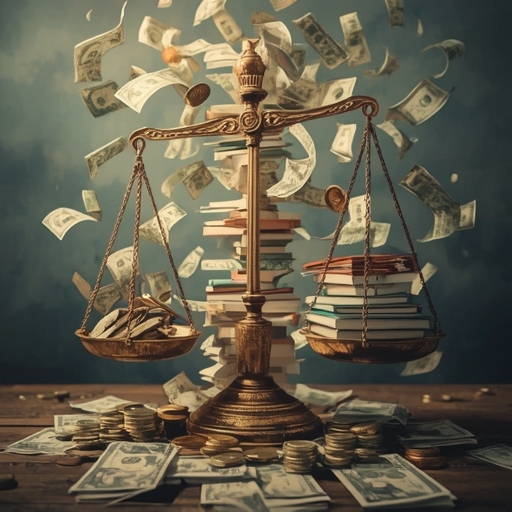
Across the nation, millions of Americans burdened by student loans continue to navigate an exhausting cycle alternating between cautious optimism and sustained anxiety. Under the Trump administration, certain measures provided a temporary sense of financial breathing room—most notably, the suspension of wage garnishments and the halting of tax refund seizures for borrowers who had defaulted on their educational debts. This pause represented a crucial moment of reprieve for countless individuals whose paychecks and limited savings were already strained by economic uncertainty.
Yet, behind this administrative leniency lies an enduring sense of instability. Thousands of borrowers remain in a state of limbo, waiting—sometimes for years—for definitive answers about whether their loans will ever be forgiven or restructured in a meaningful way. Such delays underscore the profound complexity of America’s higher education finance system, where legal frameworks, shifting political priorities, and bureaucratic backlogs intertwine to shape the everyday realities of those who once invested in their futures through education.
For affected borrowers, this uncertainty is not merely theoretical but deeply personal. The difference between forgiveness and continued repayment can determine one’s access to stable housing, necessary healthcare, or even basic economic mobility. Many former students, despite degrees or career experience, remain tethered to debts that feel inescapable. Meanwhile, policy debates and litigation continue to evolve at the federal level, offering periodic glimmers of hope that often fade into renewed frustration.
The juxtaposition of temporary relief against long-term indecision reflects a broader societal tension—one in which education is heralded as the pathway to prosperity, yet the financial mechanisms designed to fund that promise frequently entrap those who pursue it. In this way, the Trump-era interventions, while undeniably significant in halting immediate collection efforts, serve as a microcosm of a more expansive dilemma: how a nation values, finances, and ultimately sustains the dream of upward mobility through learning.
In short, what began as an administrative pause has evolved into a poignant symbol of systemic inertia. The story of student-loan borrowers under these policies illustrates not only the precarious balance between government relief and personal endurance but also the urgent need for comprehensive, lasting solutions to an issue that defines the intersection of economics, policy, and human aspiration in modern America.
Sourse: https://www.businessinsider.com/trump-student-loan-forgiveness-pauses-wage-garnishment-debt-relief-backlog-2026-1