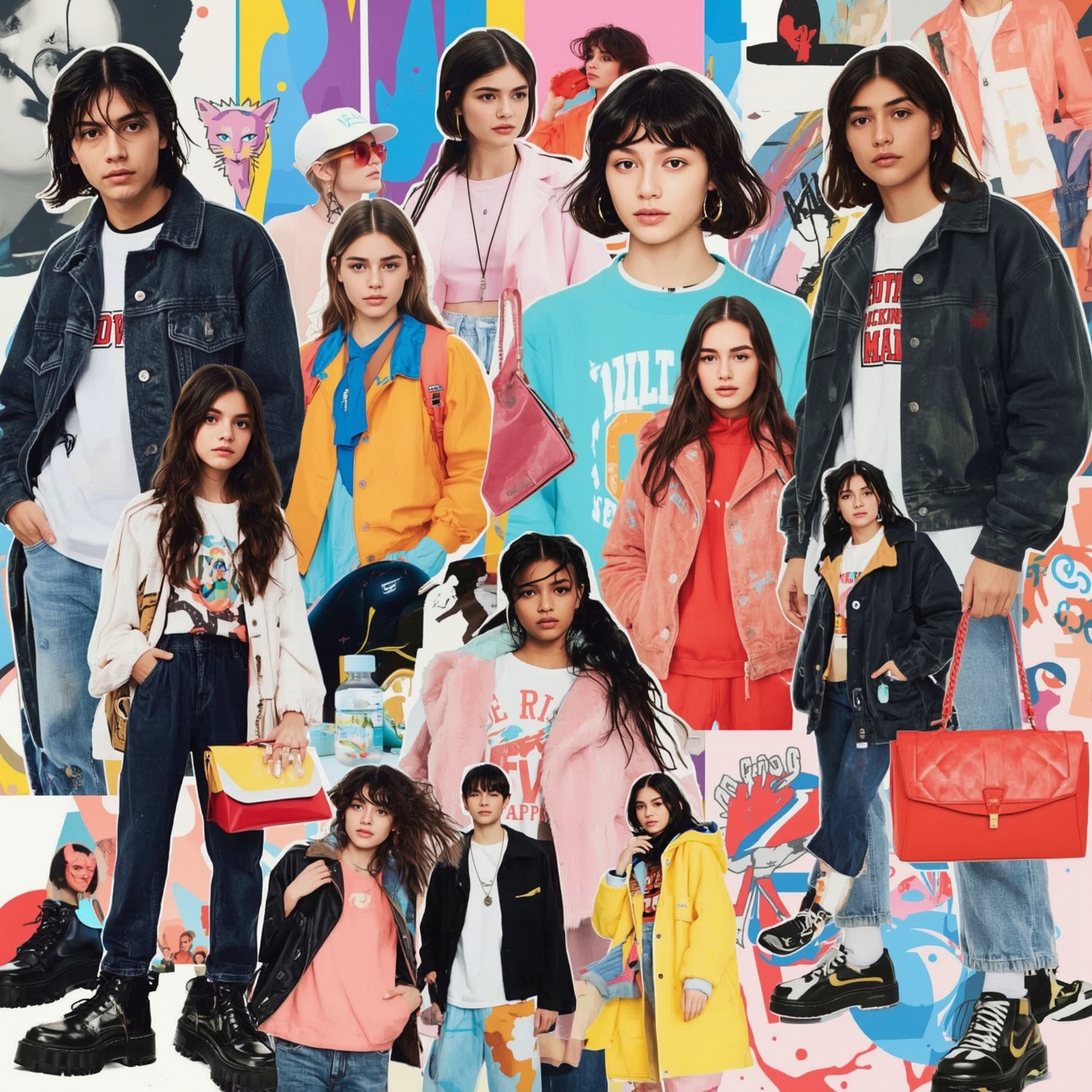
A new wave of teenage fashion consciousness is sweeping through the United States, signaling a clear transformation in how today’s adolescents define what is stylish, relevant, and worth their attention. According to the latest findings from the renowned investment bank Piper Sandler, items once considered irresistible status symbols—namely Lululemon leggings and the ever-present Stanley cups—are now deemed passé by the very demographic that elevated them to cultural prominence. This represents not only a change in teenage taste but also a broader evolution in how young consumers engage with the brands that once dominated their wardrobes and social media feeds.
Just a few years ago, both Lululemon and Stanley enjoyed immense popularity, particularly among teenage girls from more affluent households. These were the cornerstones of youth identity, signaling both trend awareness and a certain lifestyle aspiration. However, Piper Sandler’s semiannual *Taking Stock With Teens* survey conducted in the fall of 2025 paints a starkly different picture. Many upper-income teens now consider these once-coveted products as trends that are ‘on their way out,’ highlighting how swiftly cultural allegiances shift within this age group.
To capture a detailed snapshot of evolving preferences, Piper Sandler surveyed nearly 11,000 teens across 47 U.S. states between August 8 and September 22, 2025. The study sought to uncover not only what these young Americans are wearing, but also what they are eating, buying, and valuing as consumers. While some industry powerhouses—such as Nike in athletic wear, Starbucks in dining, and Chick-fil-A in quick-service restaurants—have maintained their stronghold and continued to dominate their respective categories over the past year, other brands have faced a noticeable decline in favorability.
Take, for instance, Crocs. Once one of the top five footwear choices among male teens, the brand appears to have lost its once-fervent following. In this latest survey, twelve percent of boys reported that Crocs now belong to the list of trends losing traction. This fall in popularity is emblematic of how quickly enthusiasm can wane once a product oversaturates the market or loses its novelty factor. The same phenomenon seems to be affecting Lululemon, which enjoyed a firm position among teens’ top ten online shopping brands earlier in the year but failed to sustain that momentum into the fall season. Female respondents in particular indicated a decreasing interest in the brand’s signature leggings, interpreting its aesthetic as less fresh or distinctive than it once was.
Fashion, of course, is cyclical, and teen preferences affirm that dynamic nature. Skinny jeans—once a ubiquitous wardrobe staple and cultural marker of sleek, streamlined style—now lead the list of apparel trends considered outdated. For teens, these figure-hugging silhouettes have given way to more relaxed cuts and wider fits, suggesting a broader cultural embrace of comfort, individuality, and nostalgia.
The demographics of the surveyed population offer additional insight into the socioeconomic context of these shifts. The average respondent was 15.7 years old, hailing from households with an average annual income of roughly $69,500. These young consumers emphasized quality and price as the two decisive factors guiding their clothing purchases—ranking well above considerations of brand prestige, fleeting trends, or even sustainability. This indicates a growing practicality among teenagers who, despite their reputation for trend-chasing, are demonstrating a more measured, value-oriented approach to spending.
When examining the detailed lists of what is considered ‘on the way out,’ several items stand out by gender category. Male teens cited skinny jeans, Crocs, and baggy or sagging jeans as styles losing momentum, along with waning enthusiasm for Nike and Jordan lines—once untouchable icons of coolness—and even some hair trend shifts. Female teens, on the other hand, placed skinny jeans, Lululemon leggings, and the ubiquitous Stanley cups among the fading trends, alongside Crocs and certain popular hairstyles.
That said, while some items fade, new preferences are already gaining momentum. Retro-inspired styles appear to be capturing the collective imagination of teenage girls. Brands such as Hollister and UGG, which previously enjoyed peak popularity during the height of millennial and early Gen Z adolescence, are making a noticeable resurgence. This renewed appreciation for early-2000s-inspired looks reflects the generational cycle of nostalgia and reinvention that consistently drives the fashion industry forward.
Interestingly, the cultural status of Stanley tumblers remains ambiguous. The survey revealed that while many teens now view the cups as outdated, others continue to embrace them, leading to their inclusion on both the ‘declining’ and ‘most popular’ trend lists. This duality demonstrates how social influence can sustain certain products through divided public opinion—a sign that their symbolic significance has not yet fully worn off.
Ultimately, the fall 2025 *Taking Stock With Teens* report reveals much more than shifting brand loyalties. It captures a moment of generational redefinition, where individuality, pragmatic decision-making, and nostalgia intersect. Teen culture remains as fluid and unpredictable as ever, and what is fading today may yet return tomorrow under a refreshed aesthetic or reinvented identity. What’s clear, however, is that the days of unquestioned dominance for once-iconic items like Lululemon leggings and Stanley cups appear to be over, at least for now, as the next wave of youth-driven style continues to evolve in surprising and reflective new directions.
Sourse: https://www.businessinsider.com/teens-say-crocs-stanley-cup-trends-on-the-way-out-2025-10