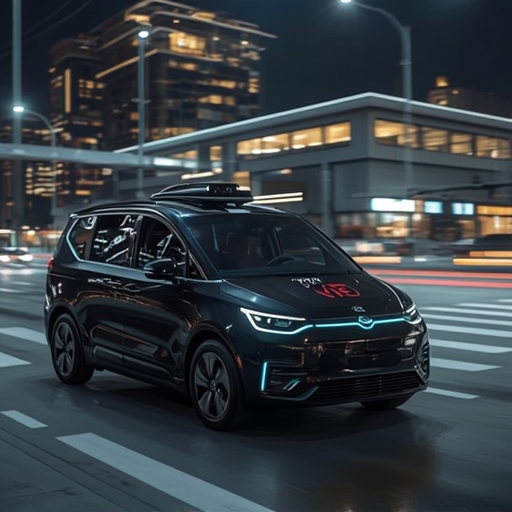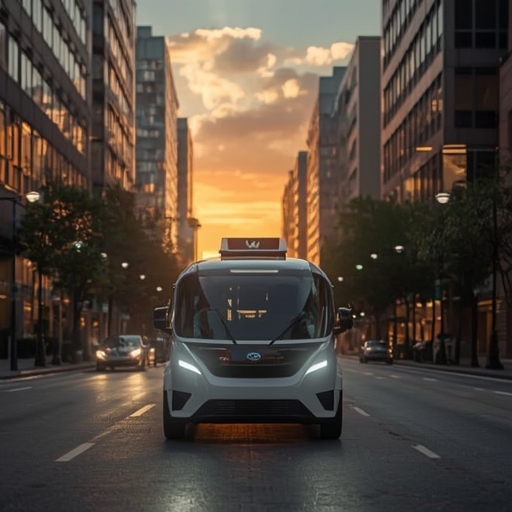
Tesla has unveiled a groundbreaking advancement in autonomous transportation with the official debut of its fully driverless robotaxi rides in Austin, Texas—marking a pivotal leap toward a future where human drivers may no longer be necessary. This new service allows passengers to summon electric robotaxis that operate entirely without human chaperones or safety supervisors on board. The initiative represents not only a bold technological achievement but also a calculated strategic move aimed at redefining personal mobility, public confidence in autonomous systems, and the economic landscape of urban transportation.
The announcement comes less than a year after Waymo introduced its own driverless operations in select metropolitan zones, underscoring the accelerating pace of competition in the self‑driving sector. For Tesla, the rollout in Austin functions as both a technological showcase and a real‑world stress test of the company’s long‑promised Full Self‑Driving capabilities. By removing human overseers from the equation, Tesla signals confidence in the sophistication of its neural‑network‑based software, real‑time data analysis, and advanced sensor fusion systems that collectively navigate complex traffic environments with the precision of an expert driver.
Beyond the technical triumph, this development carries wide‑ranging implications for cities, commuters, and policymakers. Autonomous fleets like Tesla’s could reduce labor costs, reshape ride‑sharing economics, and lower congestion through constant optimization of vehicle routing. Yet, they also raise pressing questions about safety assurance, legal liability, and the public’s psychological readiness to trust machine intelligence over human intuition. As Austin embraces these robotic chauffeurs, regulators across the United States will be closely observing performance metrics and incident data to gauge whether this transformation can scale responsibly and sustainably.
Tesla’s decision to launch driverless rides now may also serve as a critical test of its brand’s daring ethos. Elon Musk’s long‑stated vision for a world of ubiquitous, zero‑emission autonomous transport inches closer to realization with this milestone. The Texas program will illuminate the real‑world viability of self‑driving economics—potentially turning idle Tesla vehicles into revenue‑generating assets for owners and reshaping conventional concepts of car ownership. While technical perfection and regulatory harmony are still evolving goals, the Austin rollout unambiguously reinforces Tesla’s commitment to innovation at the frontier of mobility and reaffirms its role as one of the most audacious disruptors in automotive history.
In essence, the company’s first fully autonomous robotaxi rides demonstrate how a once‑futuristic ideal is steadily transitioning from concept to everyday experience. The streets of Austin now serve as the stage for a transformative experiment—one that may recalibrate the relationship between humans, technology, and the act of travel itself.
Sourse: https://www.businessinsider.com/tesla-self-driving-cars-austin-no-human-monitor-2026-1