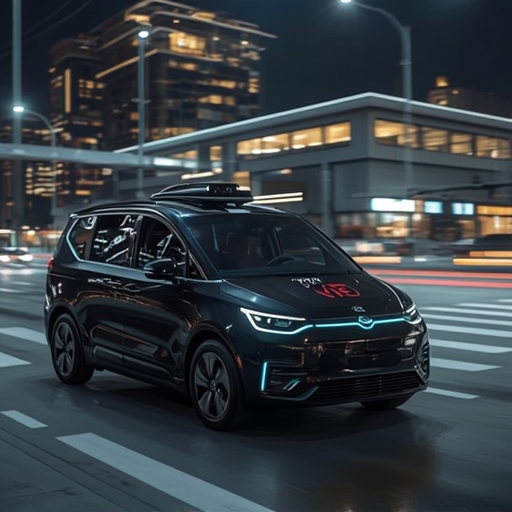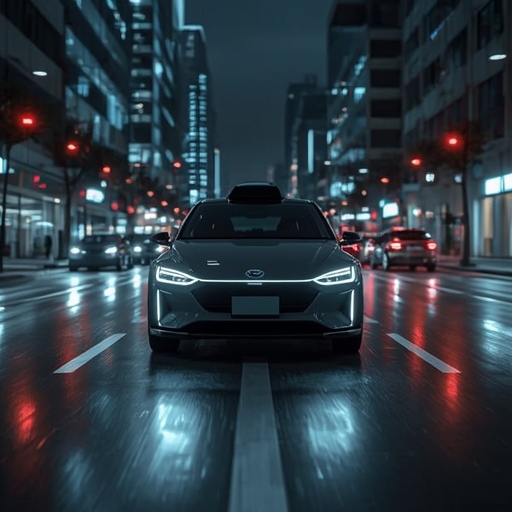
Tesla has officially entered a new phase in its pursuit of fully autonomous driving, signaling a bold transformation in how the company envisions mobility. The well-known Autopilot system—long celebrated for its pioneering driver-assistance capabilities—is being phased out as Tesla shifts its focus entirely to its more advanced Full Self-Driving (FSD) technology. This transition represents more than just a software update; it reflects a strategic commitment toward a future where human intervention behind the wheel gradually diminishes and vehicles navigate independently with heightened precision and intelligence.
At the heart of this change lies Tesla’s decision to adjust the financial model associated with its cutting-edge technology. The existing $99 monthly subscription for FSD, which previously served as an accessible entry point for drivers eager to experience semi-autonomous features, is set to increase. The rise in cost aligns with the software’s expanding capabilities—each iteration incorporating more refined neural networks, broader environmental awareness, and smoother decision-making processes that inch closer to true autonomy. In essence, Tesla is not simply raising prices for the sake of profitability; it is redefining the value benchmark for advanced mobility technology.
This move underscores Tesla’s confidence in the maturity of its self-driving platform. For years, the company has positioned FSD as the technological successor to Autopilot, promising a sophisticated suite of features capable of navigating complex urban environments, responding dynamically to traffic conditions, and learning continuously through over-the-air updates. As new functions materialize, the system evolves from mere assistance to genuine automated control, transforming the driving experience into an integrated collaboration between human intention and artificial intelligence.
From a broader industry perspective, the decision to discontinue Autopilot serves as a symbolic closing of one chapter and the opening of another. Autopilot was once the tool that revolutionized consumer understanding of what was possible with partially automated systems—it introduced adaptive cruise control, lane keeping, and traffic-aware steering at a time when such features were considered futuristic luxuries. Now, with the introduction and expansion of FSD, Tesla is asserting that the future of mobility demands an even higher standard—one where the boundary between driver and machine becomes increasingly seamless.
Financially and technologically, Tesla’s strategy suggests an effort to position FSD not merely as a convenience add-on, but as a premium subscription that defines the company’s long-term vision. By adjusting the pricing above the previous $99 threshold, Tesla communicates to consumers and competitors alike that true automotive intelligence carries intrinsic value—on par with the cost of ownership, performance, and design excellence that have long distinguished its vehicles. The subscription model also allows for continual improvement, ensuring customers receive the latest safety enhancements and performance upgrades without needing to purchase a new car.
Ultimately, this turning point represents Tesla’s broader ambition to lead the autonomous revolution through both innovation and confidence in its technology’s capacity to change how the world drives. The elimination of Autopilot is not a step backward, but rather a bold leap toward a future in which Full Self-Driving becomes synonymous with next-generation transportation. For Tesla owners and enthusiasts, the road ahead may soon require less human input but promises far greater sophistication, safety, and convenience. With the company’s relentless pace of software refinement, each update propels us closer to a reality where vehicles truly drive themselves—marking a milestone not only for Tesla but for the entire evolution of intelligent mobility.
Sourse: https://www.businessinsider.com/elon-musk-tesla-fsd-subscription-price-rising-kills-autopilot-2026-1