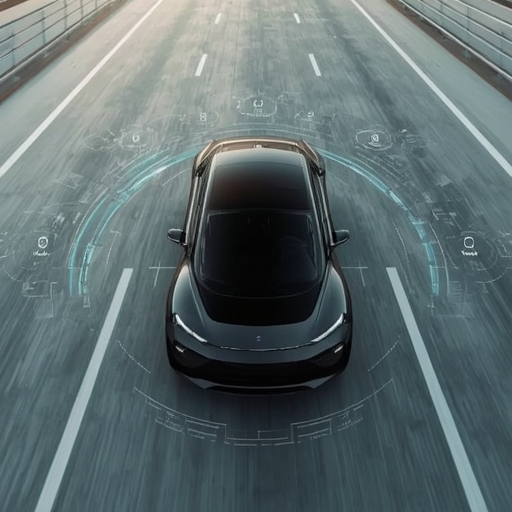
In a notable and strategic reorientation, Tesla has reportedly decided to discontinue using the term ‘Autopilot’ in California, a move that follows its earlier replacement of the label ‘Full Self-Driving’ with the more qualified designation ‘Full Self-Driving (Supervised)’. This semantic adjustment is far from a trivial branding update—it signals a deliberate recalibration in how Tesla communicates the capabilities and the inherent limitations of its driver-assistance technologies.
By retreating from language that might imply fully autonomous operation, Tesla appears to be recognizing the growing public, legal, and regulatory demand for precision and transparency in the marketing of automation systems. For years, the company’s terminology has attracted both enthusiasm and criticism: supporters saw ‘Autopilot’ as an aspirational term evoking aviation-grade automation, while detractors warned that such phrasing could lead to driver overreliance and misunderstandings about the system’s functionality.
California, one of the most influential automotive and regulatory markets in the world, has been at the forefront of demanding clearer definitions for advanced driver-assistance systems (ADAS). Regulators have increasingly emphasized the importance of ensuring that consumers understand the boundaries of these technologies—particularly that they require constant human supervision and do not equate to true self-driving.
Through this change, Tesla is aligning both with evolving ethical expectations and with broader industry trends toward linguistic accuracy and consumer accountability. Other manufacturers developing similar technologies, from traditional automakers to emerging startups, have faced parallel scrutiny, leading to a general movement toward more descriptive and less promotional language. Such clarity is critical as the industry navigates the transition from semi-automated to potentially fully autonomous mobility in the coming decades.
Ultimately, Tesla’s decision to abandon ‘Autopilot’ in California encapsulates a broader philosophical shift—from a narrative centered around technological bravado to one focused on safety, supervision, and responsibility. Whether this approach fosters greater trust and mitigates public skepticism remains to be seen, but it undeniably marks an inflection point in how the conversation about self-driving innovation is taking shape in both policy and culture.
Sourse: https://gizmodo.com/tesla-relents-reportedly-stops-using-the-term-autopilot-in-california-2000723253