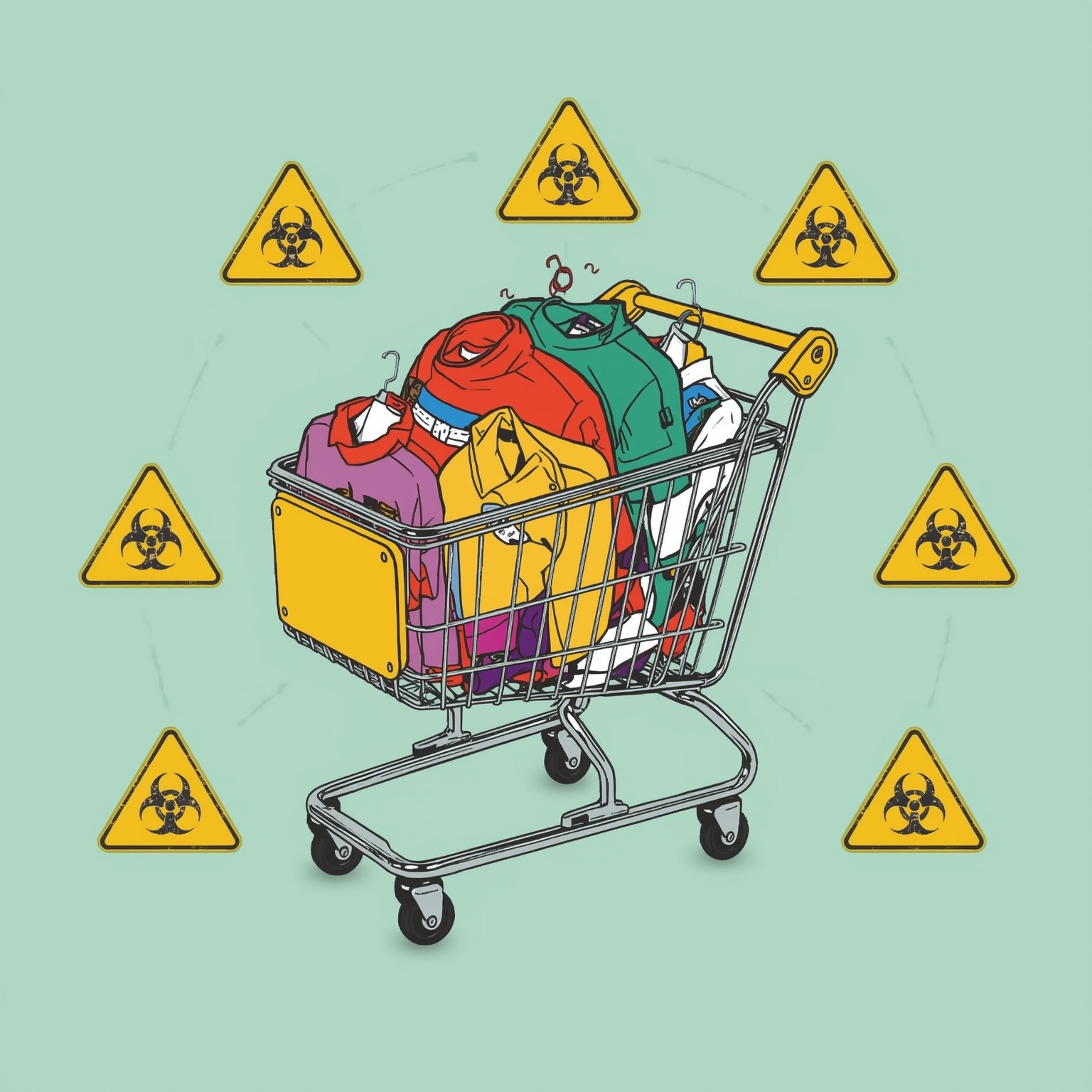
The state of Texas has formally initiated a comprehensive investigation into the internationally recognized fast-fashion company Shein, issuing serious accusations that the brand has been distributing products considered unsafe and potentially toxic to consumers in the United States. The inquiry, spearheaded by Texas Attorney General Ken Paxton, was publicly revealed through a detailed press release on Monday, in which he explained that his office is scrutinizing possible infractions of Texas state law connected not only to the sale of hazardous goods but also to alleged unethical labor practices within the company’s global supply chain.
In his statement, Attorney General Paxton linked the investigation to broader public health and consumer protection initiatives, drawing attention to Health Secretary Robert F. Kennedy Jr.’s nationwide “Make America Healthy Again” campaign. Paxton underscored that the distribution of safe, non-toxic, and ethically manufactured products is essential to that initiative’s overarching mission of safeguarding American wellness and market integrity. He cautioned that any corporation, domestic or international, that seeks to reduce costs by undermining fair labor conditions or by bypassing standards designed to protect consumer safety will face strict accountability measures under Texas law. He particularly highlighted the heightened responsibility of foreign-operated companies—such as those sourcing heavily from China—to maintain transparency and compliance with U.S. safety regulations.
Shein, though officially headquartered in Singapore, relies heavily on a complex supply network deeply rooted in Chinese manufacturing. Paxton emphasized that Texas residents, and indeed all American consumers, have an inherent right to purchase goods from enterprises that adhere to ethical labor standards and transparent business practices. He declared that he would not permit inexpensive, poorly regulated foreign merchandise to flood American markets, putting public health and consumer confidence in jeopardy. Furthermore, the Attorney General’s release revealed that state officials would also evaluate Shein’s digital operations, focusing on potential violations related to its handling of user data and privacy—a growing concern in the age of globally networked e-commerce.
Business Insider reported that Shein’s representatives declined to comment on the Texas inquiry, offering no immediate response to the state’s allegations. This ongoing investigation adds to a series of mounting challenges the company faces in the United States, currently its most significant and profitable market. The retailer has already been affected by evolving federal trade policies—particularly modifications introduced during President Donald Trump’s second term, which restricted the de minimis import loophole that had previously allowed low-cost packages to enter the U.S. without taxation. Following these regulatory adjustments, Shein announced in April that it would increase prices to offset higher operational expenses imposed by the shifting trade environment.
Attorney General Paxton, who has publicly declared his intention to run for the U.S. Senate in 2026, joins a growing international chorus of government authorities scrutinizing Shein’s operations. Regulatory bodies across the world have recently expressed escalating concerns regarding the company’s compliance with safety, transparency, and ethical manufacturing standards. Last year, health officials in South Korea repeatedly issued warnings after discovering that certain Shein products contained toxic materials exceeding established legal thresholds. In reaction to these findings, Shein told Singapore’s The Straits Times in June 2024 that all identified items had been immediately withdrawn from its online catalogs to comply with safety requirements.
In the European Union, the Commission conducted an extensive examination of Shein’s commercial practices and concluded that the company had violated EU law by advertising deceptive discounts, applying misleading product labeling, and making questionable claims about its sustainability commitments. Additional controversy emerged in France in early November, when authorities accused Shein of permitting the sale of highly inappropriate and unlawful items—specifically childlike sex dolls and illicit weapons—on its third-party marketplace platform. In response to these findings, French regulators suspended the platform’s operations pending corrective action.
Following these incidents, the European Commission announced that it had formally requested documentation from Shein demonstrating how it intends to safeguard minors from exposure to explicit or harmful material and to actively prevent the circulation of illegal products within its sales ecosystem. A Shein spokesperson later confirmed to Politico that the company had received this inquiry and was actively working to provide the requested evidence and implement necessary improvements. As the Texas investigation progresses, Shein appears to be facing increasing regulatory scrutiny across several jurisdictions—suggesting that global authorities are adopting a more unified and assertive approach to holding fast-fashion retailers responsible for the ethical, environmental, and consumer safety implications of their rapid, cost-driven production models.
Sourse: https://www.businessinsider.com/shein-texas-probe-materials-labor-concerns-data-privacy-paxton-investigation-2025-12