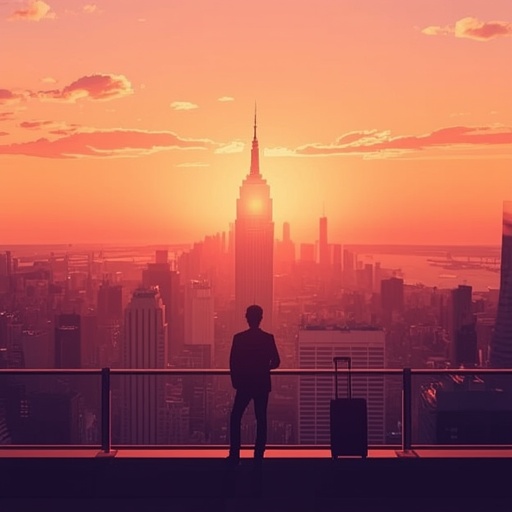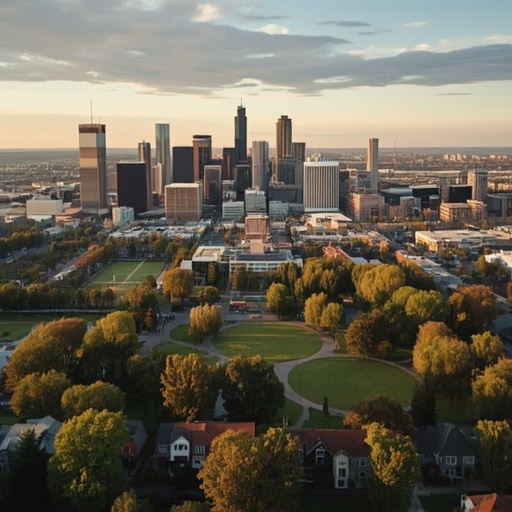
In 2026, the concept of the “best city” has transformed dramatically, moving beyond the conventional notion of vast skylines or dense urban cores. Instead, the cities that truly stand out are those that masterfully blend economic accessibility, livability, and community well‑being. The defining factor of these top‑ranked urban areas is not their population size or global profile, but rather their commitment to affordability and balanced living.
Across the United States, smaller metropolitan regions—particularly those located in the Midwest and the Sun Belt—are emerging as vibrant, appealing alternatives to large coastal hubs. These cities offer a harmonious mix of career opportunities, lower costs of housing, and an enhanced quality of life that appeals to both young professionals seeking stability and families striving for comfort. While major metropolises continue to attract attention for their cultural scale, the true wave of urban progress is being shaped by these compact yet dynamic communities.
A closer examination reveals that affordability functions as both an economic engine and a social equalizer. Cities with reasonable housing prices allow residents to redirect their resources into education, entrepreneurship, and recreation, ultimately fostering a thriving civic environment. For example, a family purchasing a home in a mid‑sized city such as Kansas City, Des Moines, or Raleigh might gain access to suburban space, quality schools, and employment growth—all without sacrificing cultural amenities or connectivity. Such balance between cost and opportunity is increasingly viewed as the cornerstone of sustainable living.
The Midwest and Sun Belt, long appreciated for their relaxed pace and welcoming community values, are now redefining modern urban success. Innovations in infrastructure, coupled with renewed downtown revitalization initiatives, have turned these regions into magnets for both startups and established firms. Technology companies and remote professionals alike are gravitating toward these areas, drawn by their ability to offer both modern connectivity and attainable lifestyles. This shift marks a profound reorientation of demographic and economic energy from overburdened, high‑cost coasts to the heartland and southern frontier.
Moreover, this transformation signals more than just migration statistics—it reflects an evolving cultural ethos. The pursuit of happiness and prosperity is no longer confined to iconic cityscapes. Americans are rediscovering the satisfaction of shorter commutes, stronger local ties, and the quiet wealth of time. In these growing cities, residents report higher levels of well‑being, not solely because their dollars stretch further, but also because community engagement and personal balance are once again achievable ideals.
In essence, the best places to live in 2026 possess a rare equilibrium. They manage to pair economic rationality with human‑centered design, proving that fulfillment does not require the chaos of the world’s largest metropolises. The story of America’s next great cities is therefore not one of excess, but of intention—of communities wisely crafting futures defined by inclusion, innovation, and above all, affordability.
Sourse: https://www.businessinsider.com/best-cities-to-live-usa-2026