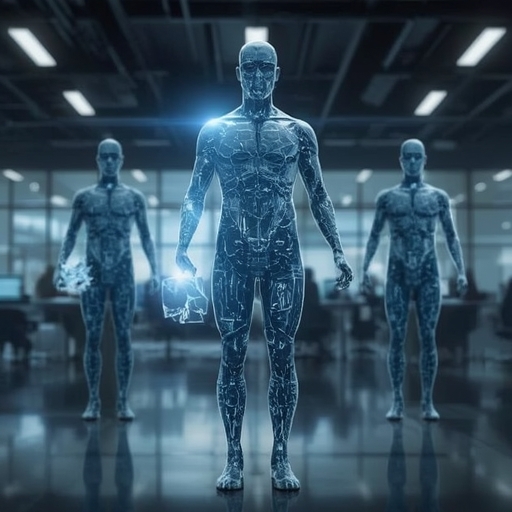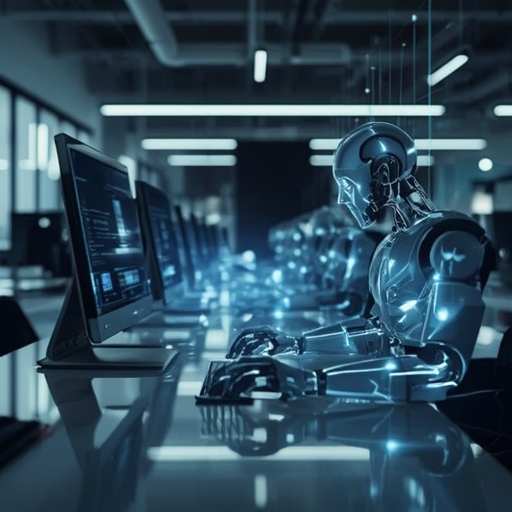
Artificial Intelligence is no longer a distant promise or a speculative buzzword — it is an active, accelerating force that is fundamentally redefining how modern organizations function, innovate, and allocate human effort. Yet alongside its extraordinary potential to enhance productivity, streamline operations, and unlock creative possibilities, AI also raises a sobering question: what happens to the people whose roles become redundant as a result of this technological evolution?
Over the last few years, countless professionals—particularly within the technology and service sectors—have begun to feel the very real impact of automation and AI-assisted systems. Tasks that once required specialized skill, intuition, or years of professional experience are now being executed faster, more accurately, and at a fraction of the cost by machines. This shift is not simply a passing trend but a structural transformation that touches every level of the workforce, from entry-level analysts to senior strategists.
There are three primary mechanisms through which AI may be indirectly and directly contributing to job losses. The first involves **process automation**, where routine, repetitive, or data-driven responsibilities are transferred to intelligent systems capable of executing them around the clock. Consider roles such as data entry clerks, customer service representatives, or junior developers—many of their tasks are now handled by bots or self-optimizing programs that can process information with precision and speed that no human could match. While this eliminates inefficiencies, it simultaneously displaces individuals whose value was tied to these once-essential operations.
The second mechanism is **efficiency-driven restructuring**, where organizations deploy AI to improve performance and reduce operational costs. Even when AI does not directly replace a human role, its capacity to optimize workflows often leads to leaner teams. Businesses realize they can achieve the same or greater output with fewer people, leveraging insights from predictive algorithms to guide strategic decisions and streamline unnecessary labor layers. This phenomenon has become particularly visible in larger corporations responding to economic pressure while adopting AI as a cost-saving innovation.
The third, and perhaps most nuanced, mechanism is **strategic reorientation**. As AI permeates the economy, companies evolve toward new priorities—areas such as data science, machine learning engineering, and AI ethics oversight. Unfortunately, this swift pivot can leave mid-career professionals behind, especially those who have not yet adapted their skill sets to meet emerging demands. Roles tied to outdated technologies or legacy business models are quietly phased out, replaced not just by machines but by entirely new categories of expertise.
Despite these challenges, the narrative does not have to be one of loss or defeat. The very technologies driving disruption also create vast opportunities for those willing to evolve. Professionals can future-proof their careers by investing in continuous learning, building digital fluency, and embracing multidisciplinary thinking. Developing competencies in areas where human creativity, empathy, and ethical reasoning remain irreplaceable—such as leadership, innovation strategy, and emotional intelligence—will be crucial for maintaining relevance.
In this era of relentless automation, the distinction between those who thrive and those who struggle will hinge not on the presence of AI itself, but on how individuals and organizations respond to its rise. By understanding the precise ways in which AI transforms the landscape of employment, and by proactively developing adaptable skill sets, professionals can not only safeguard their roles but also position themselves to lead the next chapter of technological progress.
Artificial Intelligence may be altering the nature of job security, but it also invites—to those prepared to listen and learn—a powerful redefinition of what work can mean in the digital age. #AI #FutureOfWork #Innovation #CareerDevelopment
Sourse: https://www.businessinsider.com/3-ways-ai-might-get-you-laid-off-work-2026-2