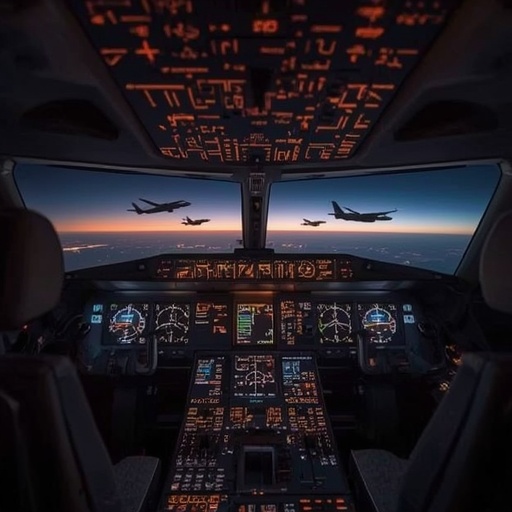
A single piece of technology, carrying a price tag of $50,000 per aircraft, has become the focal point of a rapidly intensifying debate that reaches from corporate boardrooms to the halls of Washington, D.C. This proposed safety fix, designed to revolutionize flight operations by enhancing pilot vision and overall situational awareness, could represent a decisive turning point in the ongoing quest to make aviation safer. Yet, the innovation’s potential benefits are shadowed by deep divides among policymakers, industry leaders, and experts about whether the government should require its installation or allow market forces alone to determine its adoption.
At its core, the system’s purpose is to provide pilots with clearer awareness of surrounding aircraft and environmental hazards. Supporters describe it as a transformative leap forward, comparable to how radar and GPS once redefined navigation and threat detection in earlier decades. They argue that, in a field where safety margins are measured in fractions of seconds and feet of altitude, the addition of advanced vision tools could be life‑saving. By offering real‑time insights that help mitigate human error—often cited as a leading factor in aviation incidents—this $50,000 enhancement could, advocates claim, dramatically reduce the risk of midair collisions or misjudged approach paths.
Nevertheless, as with many technological advancements that promise sweeping improvements, dissenting voices are both numerous and vocal. Critics caution that mandating such expensive equipment may impose disproportionate financial pressure on airlines, particularly smaller carriers operating on limited budgets. They contend that voluntary adoption, guided by economic feasibility and individual risk assessments, might yield a more sustainable balance between innovation and affordability. Others question whether the current evidence conclusively demonstrates that the system’s advantages justify its cost, emphasizing the need for extensive testing and data validation before broad regulatory enforcement.
This debate carries far‑reaching implications that extend beyond technical considerations. If federal safety agencies decide to make the pilot‑vision technology compulsory, the move would mark a significant policy shift—one that could reshape aviation safety regulations for decades to come. Conversely, a decision to leave its adoption optional would signal confidence in market adaptability and in the industry’s own capacity for self‑regulation. Lawmakers and regulators, torn between the imperatives of safety and economic prudence, now face a complex decision that will echo throughout the aviation ecosystem: what is the appropriate balance between incentivizing innovation and ensuring equitable access to the skies? ✈️ #Aviation #FlightSafety #TechnologyDebate #PolicyImpact
Sourse: https://www.wsj.com/business/airlines/this-50-000-safety-fix-is-dividing-the-aviation-industry-and-washington-1a62c333?mod=pls_whats_news_us_business_f