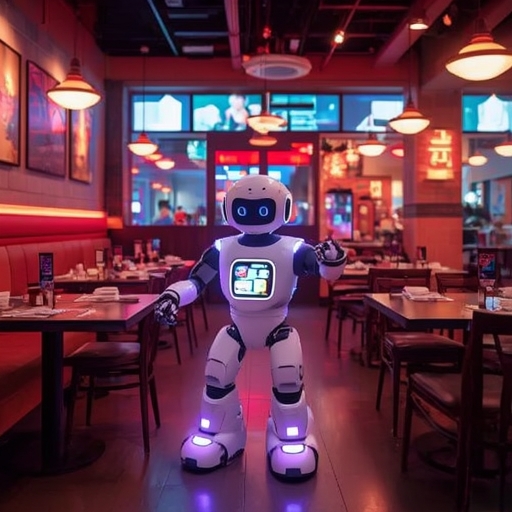
The global surge in investment pouring into artificial intelligence represents far more than a contest of computational speed or algorithmic novelty. At its core, this escalating race is a profound struggle over who will ultimately command the next great transformation in the nature of work itself. While the world’s most powerful corporations and nations are directing billions of dollars toward developing increasingly complex AI systems, the deeper motive is emerging with striking clarity: control over the very engines of economic productivity and, by extension, control over the human labor those engines are poised to replace.
AI safety pioneer Roman Yampolskiy has characterized this phenomenon not simply as a technological race, but as an economic and ethical one—a pursuit of what he calls the dream of “free labor at scale.” In other words, those at the forefront of AI are effectively striving to build systems capable of performing intellectual and manual tasks without the constraints of wages, rest, or human limitation. The concept presents an alluring vision for investors and industries: a workforce that never demands payment, negotiation, or the rights traditionally associated with human employment.
Yet embedded within this dream lies a series of profound questions and moral hazards. If machines conduct the majority of productive labor, who benefits from the wealth they generate? Will the fruits of automation be broadly distributed across society, or will they accumulate in the hands of those few entities who own the data, infrastructure, and intellectual property governing these technologies? The notion of AI as a source of ‘free labor’ challenges not only our current economic models but also our definitions of fairness, ownership, and dignity in human work.
The implications ripple far beyond corporate efficiency or national competitiveness. The deeper issue concerns the reorganization of human purpose in a society where work—a defining element of identity, livelihood, and community—may no longer serve its traditional function. As automation progresses, decisions made today regarding AI governance, value distribution, and ethical deployment will shape entire generations’ relationship with labor and self-worth.
Thus, the real contest is not about which country designs the fastest neural network or which company deploys the most sophisticated chatbot. It is about determining who will steer the transformation of work in the age of autonomous intelligence. The emerging world may promise unmatched productivity, but without deliberate ethical direction, it could simultaneously widen inequality and erode the social fabric that binds human economies together. The era of AI will therefore test not only our ingenuity but our capacity to ensure that progress serves humanity rather than replaces it.
Sourse: https://www.businessinsider.com/ai-boom-bet-on-free-human-labor-ai-safety-pioneer-2026-1