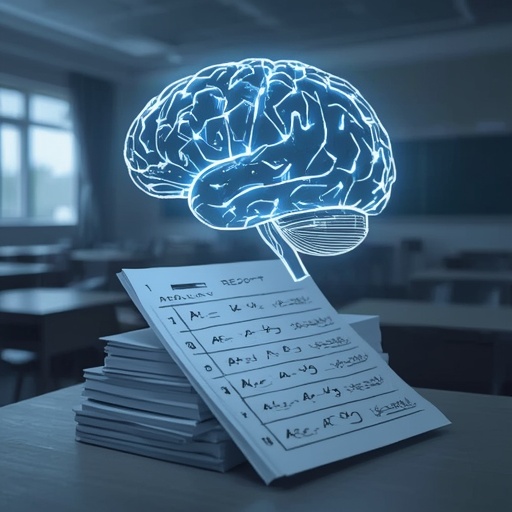
In recent years, the educational landscape has undergone a profound transformation, largely propelled by the astonishing progress of artificial intelligence. Among the most influential of these technologies is ChatGPT—a generative AI model whose widespread adoption has redefined how students interact with information, complete assignments, and even shape their learning strategies. Researchers are now uncovering a direct correlation between the rise of such advanced digital tools and a remarkable surge in academic performance, with reports of unprecedented numbers of students achieving straight A’s or near-perfect results across various institutions. This phenomenon, commonly described as ‘grade inflation,’ invites admiration for technological empowerment but also raises deep concerns about the authenticity of academic achievement and the practical readiness of graduates entering the professional world.
The convenience and intellectual support offered by AI platforms can simplify complex subjects, enhance comprehension, and drastically reduce the time required for research and writing. Yet this efficiency, however beneficial on the surface, may unintentionally blur the distinction between acquired knowledge and algorithmic assistance. For employers and educators alike, this creates a new dilemma: how can one accurately identify those learners who truly possess the analytical depth, creativity, and critical thinking skills that professional environments demand? When grades no longer serve as reliable indicators of mastery, traditional evaluation systems risk losing their meaning.
This paradigm shift compels universities, policymakers, and organizations to reevaluate the foundations of academic integrity and assessment frameworks. Should institutions design new forms of evaluation that measure authentic understanding rather than polished outputs potentially enhanced by AI? Alternatively, could students be guided toward responsible and transparent use of these technologies, integrating them as tools for learning instead of shortcuts to success? The emerging discussion transcends the boundaries of academia, touching on broader societal questions about the role of artificial intelligence in shaping human development. Ultimately, as AI becomes inseparable from education, the challenge is not merely to curb grade inflation but to redefine what genuine achievement, intellectual growth, and professional competence truly mean in an increasingly algorithm-driven world.
Sourse: https://www.wsj.com/us-news/education/a-grades-are-suddenly-everywhere-since-the-arrival-of-chatgpt-845baae7?mod=rss_Technology