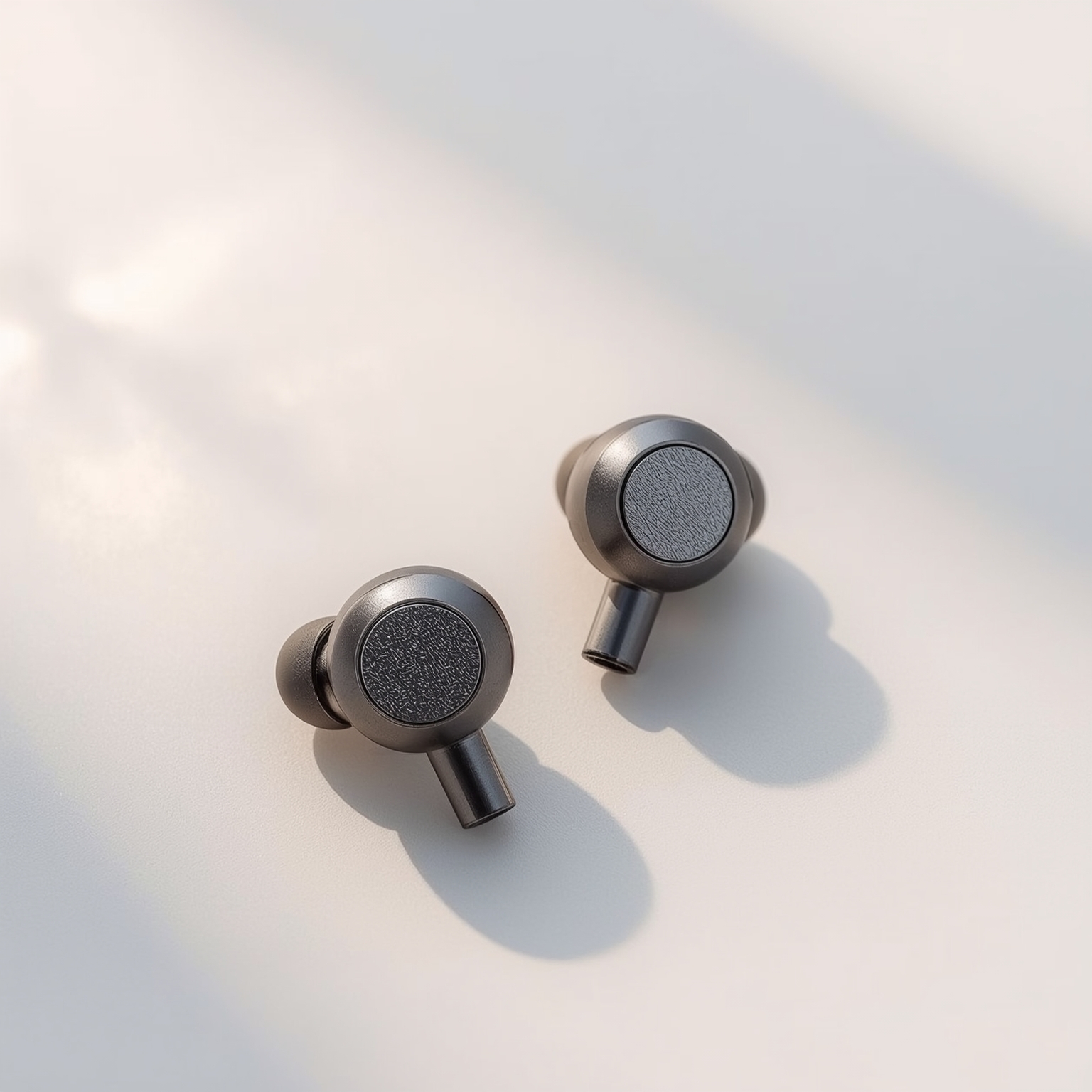
In today’s consumer landscape, it has become remarkably difficult to make a bad choice when shopping for wireless earbuds. A decade ago, audiences tolerated subpar sound signatures, frequent connection drops, and disappointing battery endurance simply for the novelty of eliminating cords. Fast forward several product cycles and we now find ourselves in a world where audio giants such as Sony, Apple, Samsung, Bose, and many others consistently refine performance standards with every release. As a result, nearly every price category now offers something worthwhile. Frequent discounts and limited-time deals further encourage buyers to finally invest in the pair that had long caught their attention, making the present moment as fitting as any to indulge in a superior listening device.
What truly distinguishes the modern landscape is the impressive leap in quality across metrics that once represented painful trade-offs. Where older models carried the stigma of muddy bass responses and frequently unreliable Bluetooth stability, newer flagships bring sophisticated noise-cancellation, expansive dynamic range, and ergonomic forms engineered for extended wear. Each generation reflects lessons learned: microphones are sharper, software optimization curtails lag, and charging habits are better aligned with daily life. Yet, while premium models deliver spellbinding silence through industry-leading adaptive noise cancellation and refined acoustic engineering, consumers must also recognize that not every shopper prioritizes the same criteria. For some, performance in fitness environments — meaning sweat resistance, stability, and ease of controls — is paramount. For others, tuning that balances clarity of voices during conference calls and the ability to smoothly alternate between music and spoken content may outweigh all else.
An increasing trend worth attentive consideration is the ecosystem-specific nature of advanced features. Tech corporations have become decidedly protective of their proprietary innovations, tying functionalities to their respective platforms. For example, Apple’s spatial audio functions only truly flourish within the iOS ecosystem, while Samsung maintains exclusivity for head-tracked enhancements on its Galaxy devices. Understanding these intentional compatibilities is crucial to avoiding buyer’s remorse, as even the most technically superb earbuds may underwhelm when stripped of brand-specific perks. Thus, decisions now lean not only on acoustic excellence but also on how earbuds integrate into one’s broader portfolio of gadgets.
Evaluating earbuds extends well beyond promotional spec lists. To offer fair recommendations, experienced reviewers apply rigorous trials across varied scenarios. This involves both controlled evaluations — such as quiet, deliberate study of sonic fidelity, separation, and subtle nuances — and highly practical tests in bustling environments. Think of crowded subway commutes, noisy coffee shops, or chaotic street intersections: environments where connectivity strength and real-world effectiveness of noise cancellation can be evaluated with honesty. Additionally, video conferencing tests scrutinize microphone clarity, while conversations with friends and colleagues provide unvarnished feedback from the listener’s perspective. And in recognition of proprietary restrictions imposed by different companies, reviewers also attempt to use earbuds across platforms, gauging whether the experience remains equitable across Android, iOS, and other systems.
That said, no matter how exquisite the audio, if comfort falters, earbuds lose their purpose. Human ears vary dramatically in size and contour, which makes the comfort factor deeply personal. Manufacturers generally supply multiple sizes of silicone or, in some cases, foam tips to allow customization. Silicone tips are widespread due to their balance of durability and softness, but foam tips provide unparalleled sealing by gently expanding to the contours of your ear canal. A small yet crucial discovery many newcomers overlook is that ears are often asymmetrical. One size may fit snugly in the right ear while requiring modification in the left. Experimentation ensures prolonged comfort and prevents fatigue during hours of constant listening.
When dissecting sound preferences, diversity of taste again plays a dominant role. Some listeners pursue exhilarating, bass-heavy signatures that shake with every beat, while others prioritize accuracy, tonal balance, and instrument separation that reveal the intricate details layered into meticulously recorded music. Audiophiles may scrutinize spatial imaging, seeking earbuds that allow individual instruments — strings, horns, percussions — to breathe distinctly across the stage. Meanwhile, those drawn to vocal-centric genres may look for natural resonance without artificial warmth. Strong earbuds must satisfy such divergent schools by either striking a harmonious balance out of the box or offering robust equalizer adjustments through companion applications.
Another frontier where earbuds have evolved dramatically is active noise cancellation, now considered a near-essential rather than a luxury. In crowded workplaces or on long-haul flights, ANC transforms daily life by muting chaos and creating portable sanctuaries of concentration or rest. Yet, some people dislike the pressure-like sensation that full sealing can impose; for them, open-design alternatives that prioritize situational awareness remain preferable. The modern market, therefore, caters to both extremes, ensuring choice without compromise.
Battery performance represents another key dimension. Most earbuds average between five and six hours of continuous use with ANC enabled. A handful of premium models extend beyond this, delivering eight or more hours, though wearable comfort and portability trade-offs must be considered against larger over-ear designs that naturally last longer on a single charge. Fortunately, the near-universal presence of compact charging cases mitigates concerns by providing several top-ups throughout the day. Thus, even modest base longevity is often supplemented into days of reliable use before truly needing a wall socket.
Finally, durability and weather resistance remain integral, especially for users who balance professional routines with athletic lifestyles. Even if one’s primary intention does not involve cardiovascular workouts, the unpredictability of weather demands safeguards. At baseline, IPX4 certification — which protects against sweat and incidental splashes — should be non-negotiable. Models boasting higher IP ratings add reassurance against dust and more forceful water contact, extending versatility to broader environments.
In summary, the contemporary universe of wireless earbuds illustrates remarkable maturation since their rocky beginnings. Today’s consumer faces not scarcity but abundance: multiple tiers that accommodate fitness enthusiasts, remote workers, audiophiles, and ecosystem loyalists alike. With manufacturers constantly pushing sound innovation while diversifying features according to increasingly segmented user needs, the golden era of personal audio is here — and it only continues to escalate in refinement.
Sourse: https://www.theverge.com/21309820/best-wireless-earbuds