Can the lights endure exposure to natural elements over time? During a recent camping excursion, the Vibe Pixie String Lights demonstrated impressive performance and resilience, suggesting that they are well-suited for outdoor adventures and unpredictable environmental conditions. As fixtures specifically intended for open-air use, the materials, sealing, and design of outdoor lighting hardware must be engineered to resist the potentially damaging effects of rain, dust, wind, and temperature fluctuations. Still, the level of environmental protection varies among models, and determining whether a particular product will remain reliable where you live depends largely on its ingress protection (IP) rating and your local climate.
For outdoor string lights, robust protection ratings such as IP65, IP67, or IP68 provide excellent safeguards against both water intrusion and the accumulation of dust. These levels ensure that the lights can tolerate everything from brief downpours to dusty summer afternoons. A model rated IPX4, while somewhat moisture-resistant, is only designed to withstand light splashes or gentle drizzles and may not last as long under harsher conditions. In other words, the first three categories offer much stronger defenses for prolonged outdoor exposure, whereas an IPX4 light is more appropriate for covered patios or sheltered balconies.
Beyond moisture and dust, temperature extremes represent another crucial variable to consider. Homeowners in regions that experience the full shift of four distinct seasons must ensure their outdoor string lights can tolerate ambient temperatures ranging from icy winter chills to the oppressive heat of mid-summer. Materials that become brittle when frozen or wiring that deteriorates under intense sunlight can dramatically shorten the life of the product. However, if you typically remove or store your lights during severe weather or off-seasons, you can mitigate these risks considerably, reducing the stress placed on your lighting system throughout the year.
Turning to bulb and lighting style, outdoor string lights are as diverse as their indoor counterparts, offering numerous bulb shapes, finishes, and lighting technologies. Today’s most popular and energy-efficient option is the light-emitting diode (LED). Unlike traditional incandescent bulbs, LEDs consume significantly less power, produce minimal heat, and last for thousands of additional hours before requiring replacement. They can also emit light in a dazzling spectrum of colors—from soft ambers to vibrant, party-ready hues—which makes them ideal for both practical illumination and decorative accenting.
Another advantage of LEDs lies in their adaptability. Because the light-producing diode is extremely small, it can be integrated into an extraordinarily wide range of bulb shapes and casings—from classic globe bulbs to tiny fairy-light capsules. Incandescent bulbs, in contrast, are limited by the physical size of their internal filament; small filaments generate less light and therefore restrict how compact incandescent designs can be. Modern LED technology has even progressed to the point that many LED bulbs now emulate the warm, nostalgic glow of old-fashioned incandescents, delivering charm without sacrificing durability or energy efficiency.
It’s worth noting that most of our top recommendations feature slightly larger and brighter bulbs, designed to provide reliable year-round illumination in outdoor environments. These are distinct from the delicate, twinkling micro lights often used for festive decoration or whimsical backyard gatherings. If your vision leans more toward these petite, ornamental strings—perfect for holiday decor or cozy evening ambiance—you may prefer to explore our collection of smart holiday lights, which specialize in that more decorative style.
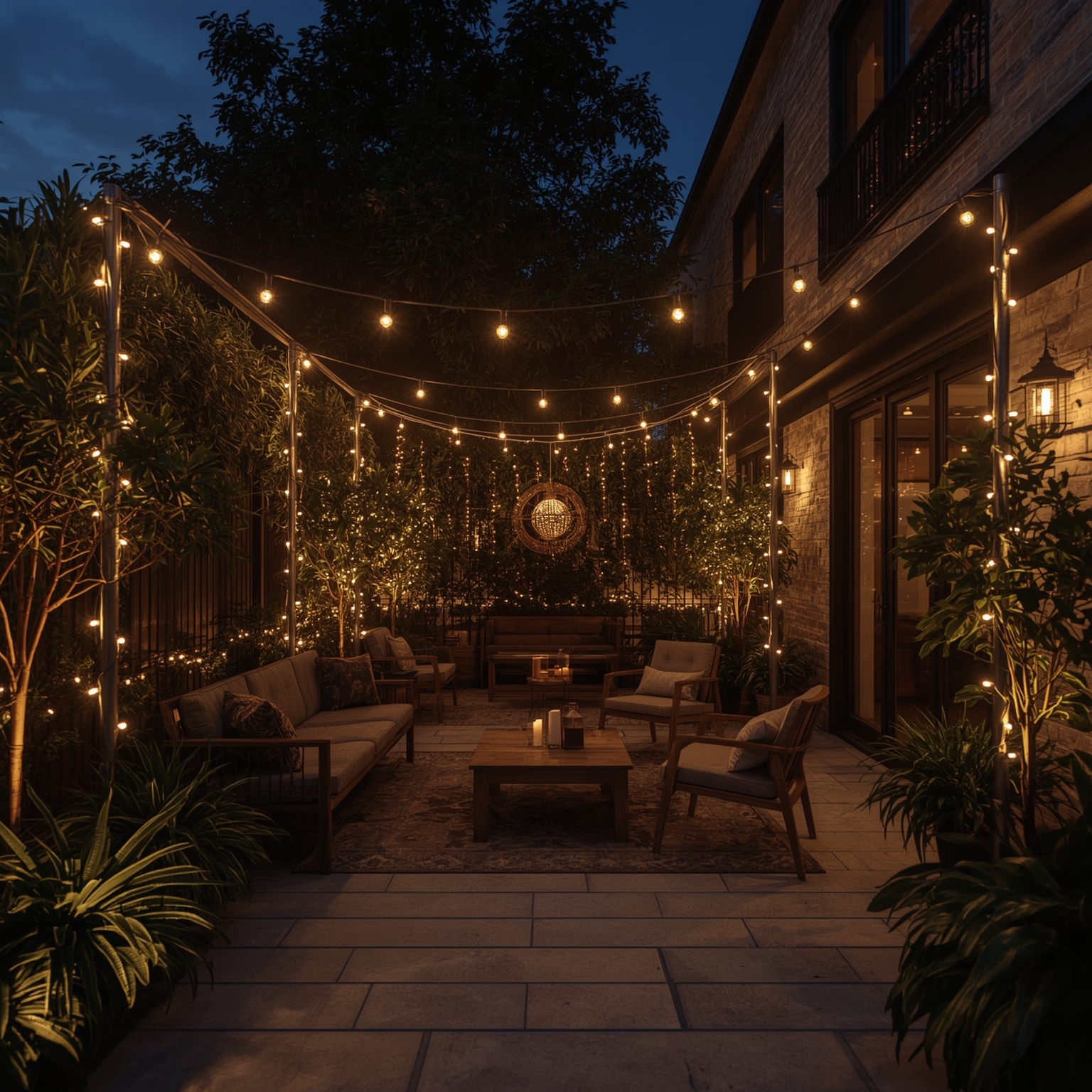
Next, consider the practical matter of strand length. Outdoor string lights, such as the elegant models from Nanoleaf, can transform patios, gardens, and decks into inviting spaces by offering flexible, adaptable lighting schemes. Once you’ve chosen your desired bulb type and overall design, the next step is determining the appropriate strand length for your specific area. String lights come in a variety of lengths, and several options even allow for extension modules to increase coverage. To determine the best fit, carefully measure the distance between all the intended mounting points—from the first hook to the last—and remember to account for slack. Since the lights naturally sag when hung, you should add several extra feet beyond the straight-line measurement. For example, a space that measures 25 feet in a direct line might actually require closer to 30 feet of string lights to create a graceful, aesthetically pleasing drape.
Finally, for those who appreciate modern convenience, smart features can dramatically expand what outdoor lighting is capable of. Lights equipped with app-based controls enable users to customize brightness levels, choose specific color palettes, and establish automated schedules or preset effects. Some of these systems can even synchronize with music or adapt to scene-based themes, enhancing both entertainment setups and everyday relaxation. If integration with a smart home ecosystem is important—such as Apple Home, Google Home, Amazon Alexa, or Siri voice commands—be sure to verify compatibility before purchasing. Models explicitly designed for those platforms unlock features like hands-free voice control, remote operation, and seamless automation routines that make managing outdoor lighting both effortless and sophisticated.
Sourse: https://www.cnet.com/news/best-outdoor-string-lights/#ftag=CAD590a51e