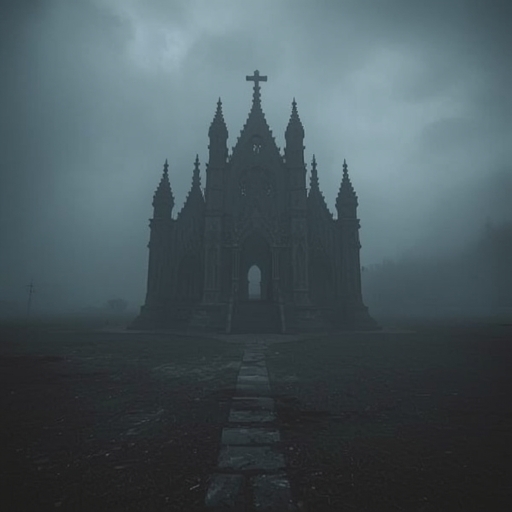
Nearly three decades have passed since the world first plunged into chaos, its fabric torn apart by a contagion that redefined fear itself. In the wake of that devastation, audiences believed the story had been told—that the twisted prayers of survival had long since faded into silence. Yet now, ‘The Bone Temple’ emerges as both an elegy and a resurrection, a film that reaches deeply into the marrow of humanity’s faith and terror to carve out a new mythology of despair and renewal. This is not merely another chapter in a beloved horror franchise; it is an audacious reinvention, an echo of past horrors reimagined through the lens of spiritual reckoning and existential fragility.
Directed and envisioned once again by the legendary creative duo behind the series—Garland and Boyle—the film dares to probe what remains of humankind after nearly three decades of desolation. It transforms the grim legacy of the ‘28 Days’ and ‘28 Weeks Later’ universe into something hauntingly introspective. Humanity here does not simply battle monsters born of infection; it wrestles with its own fractured faith, the lingering guilt of survival, and the fragile institutions we build to ward off nihilism. ‘The Bone Temple’ becomes, in essence, a meditation on how belief mutates under pressure—how devotion to gods, nations, and even memory can slowly ossify into ritualistic dread.
Thematically, the film stands as a testament to the progression of horror itself. It does not rely solely on the visceral panic that defined its predecessors but delves instead into psychological and theological terror: the horror of belief collapsing under the weight of reality. Through its cinematography—bleak, reverent, yet unflinchingly beautiful—it presents a world illuminated by flickering faith and decaying morality. The temple of the title is not merely a physical structure assembled from remnants of bone and ruin; it is a metaphorical sanctum, an altar built by those desperate to interpret the meaning of survival in a universe that offers no answers.
Garland and Boyle’s return to this universe signals a creative resurgence, a willingness to unearth old fears and reshape them into something far more profound. The duo does not seek to replicate the apocalyptic pulse of earlier entries; rather, they use it as a foundation upon which to explore the cyclical nature of human catastrophe. The result is a film that feels both eerily familiar and radically new—a fusion of physical dread and spiritual introspection that redefines what ‘post-apocalyptic horror’ can mean in modern cinema.
What sets ‘The Bone Temple’ apart is its understanding that terror sustained over generations inevitably becomes belief. The infected, the ruined cities, and the remnants of civilization have taken on mythic proportions in this new chapter, sculpting a world where folklore and fear are indistinguishable. Within this ruined sanctum, every shadow feels like confession, every heartbeat a psalm of regret. It is within this tension—between terror and transcendence—that the story of the new trilogy begins to breathe.
For audiences, the near thirty-year wait between installments will feel not like absence but metamorphosis. The passage of time has allowed the narrative’s fears to ferment, deepen, and evolve. ‘The Bone Temple’ is a daring invocation of that evolution—a film that confronts the fragility of faith, the endurance of fear, and the holiness that sometimes emerges from despair. It is the rebirth of a legend, but also the beginning of an entirely new mythology that challenges the boundaries between salvation and damnation. This is horror not just as survival, but as revelation.
Sourse: https://www.theverge.com/entertainment/859756/28-years-later-the-bone-temple-review