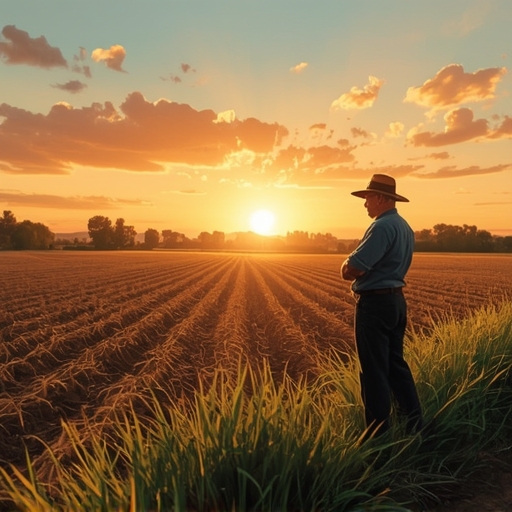
Across vast rural landscapes, where family farms have long served as the cornerstone of community identity and economic sustenance, a profound transformation is quietly unfolding. The agricultural world, once defined by continuity and inheritance, is now confronting a generational crossroad. As the average age of farmers steadily increases, the individuals who once inherited their parents’ plows, barns, and traditions are increasingly pursuing entirely different lives and professions. This gradual but undeniable departure raises an unsettling question: what happens when farms that have endured for a hundred years or more, symbols of resilience and generational dedication, encounter a future shrouded in uncertainty?
The shift is not merely statistical—it reflects deep cultural and economic changes that extend far beyond rural boundaries. Younger generations, who in the past might have felt an unspoken obligation to continue the family legacy, are now presented with new opportunities in urban centers and digital industries that promise stability and growth absent from the unpredictable cycles of farming. The long hours, financial volatility, and physical demands of agricultural life contrast sharply with the allure of modern career paths, leading many to reconsider the sustainability of traditional farming as a lifetime pursuit.
Across the nation, family-owned farms that once represented both independence and continuity are feeling the strain of this demographic evolution. Fields that for centuries echoed with the rhythms of planting and harvest now stand as quiet witnesses to change—testaments to the shifting balance between heritage and modernization. In many cases, aging farmers, lacking successors willing to assume their responsibilities, are forced to sell or lease their land, marking the end of multigenerational stewardship.
Yet, amid this atmosphere of transition, the story of family farming is far from being one of loss alone. It is also a story of resilience, creativity, and adaptation. Innovation in agriculture—ranging from sustainable farming techniques to emerging technologies like precision agriculture and automated equipment—offers new possibilities for reimagining what it means to farm in the twenty-first century. The next chapter of agriculture, therefore, may not simply replicate the past but reinterpret it, blending tradition with transformation in a way that honors history while embracing progress.
Ultimately, the evolving landscape of family farming compels both reflection and dialogue. It invites communities, policymakers, and consumers alike to reconsider their roles in supporting agricultural sustainability and rural vitality. As older generations step back and youth look in new directions, farming’s enduring spirit—rooted in stewardship, patience, and connection to the land—remains a guiding thread, ensuring that even as its form changes, its essential purpose endures.
Sourse: https://www.wsj.com/business/family-farms-inheritance-44c9aa17?mod=pls_whats_news_us_business_f