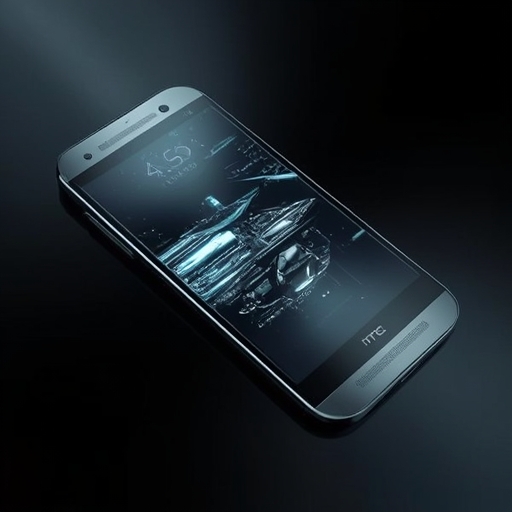
In recent weeks, the tech community has been abuzz with speculation surrounding the enigmatic device known as the ‘T1 phone’—a smartphone allegedly linked to a political brand that has unexpectedly entered the world of consumer electronics. At first glance, the T1 has generated intrigue not merely because of its origin, but because of its unmistakable resemblance to a familiar HTC handset. This similarity has led many industry observers, enthusiasts, and design analysts to question whether this new phone represents a genuine technological innovation or simply a strategic exercise in rebranding.
When images and preliminary specifications of the T1 began circulating online, keen-eyed users quickly noticed strong aesthetic parallels to an existing model from HTC’s lineup. The curvature of the chassis, the placement of ports, the symmetry of the speaker grills, and even subtle textures along the metallic frame appeared nearly indistinguishable from the earlier HTC design. Such striking likeness has intensified public discussion, prompting consumers and experts alike to ask whether this resemblance could truly be a coincidence—or whether it reveals a deliberate decision to leverage an already trusted design for marketing convenience.
From a broader perspective, this controversy exposes the fluid boundary between inspiration and imitation, an issue that continues to challenge the technology sector. In the world of smartphones, where iterative design is common and functional aesthetics often converge, determining originality becomes increasingly complex. The case of the T1 phone thus serves as a vivid reflection of how branding power can reshape perception. A recognizable design, when reframed under a different logo or political identity, can suddenly gain new significance and narrative direction—even if the underlying hardware remains unchanged.
Ultimately, the emergence of the T1 phone raises thought-provoking questions about authenticity in modern product development. Is the device an example of efficient design repurposing, a clever maneuver in brand strategy meant to align a political image with cutting-edge technology? Or does it cross the boundary into derivative replication, presenting recycled aesthetics as innovation? Regardless of the answer, the discussion surrounding this device shines a spotlight on how identity, intention, and perception intersect within the ever-evolving landscape of mobile design and consumer trust.
As analysts continue to compare technical details and design elements, one thing is certain: the fascination with the T1 phone will persist, not because of what it adds to the market in terms of new features, but because it challenges us to reconsider what authenticity and originality mean in an age where branding can transform the familiar into something that feels entirely new.
Sourse: https://www.theverge.com/tech/886135/trump-mobile-t1-phone-htc-u24-pro