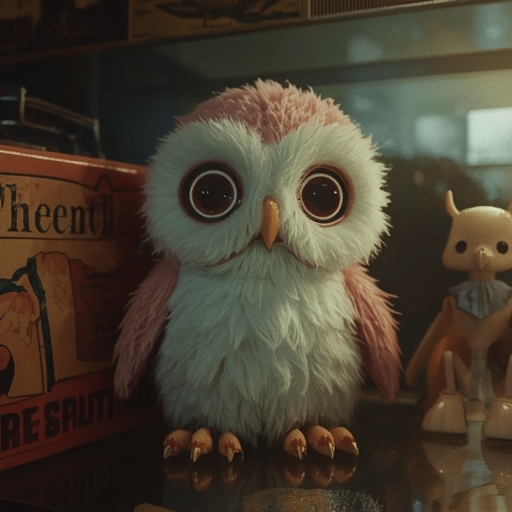
In 1998, the toy world was forever changed by the arrival of a peculiar, endearing, and slightly unsettling creature — the Furby. Covered in soft tufts of pastel fur and equipped with oversized blinking eyes, this electronic marvel was far more than a simple child’s plaything. It represented the early convergence of technology and personality, years before smart devices and virtual assistants became commonplace. What set the Furby apart was its ability to simulate life: it blinked, cooed, and spoke a unique hybrid tongue that mimicked genuine learning, captivating and mystifying both children and adults. To those who witnessed the craze, the Furby phenomenon embodied a perfect example of how innovation and curiosity could spark a global obsession almost overnight.
The appeal of the Furby was paradoxical — an interplay between charm and unease. Its sporadic giggles and mechanical eyelid flutters seemed both amusing and oddly humanlike, creating an emotional connection that felt novel at the time. Parents and children alike were fascinated by the illusion that this small toy could evolve, respond, or even form a bond. Yet, behind its seemingly adorable chatter, a mild eeriness lingered; many owners reported their Furby ‘waking up’ spontaneously, whispering unintelligible words in the dark. This unpredictable behavior only deepened the Furby’s reputation as both delightful and slightly creepy, transforming it from a toy into a cultural talking point.
At its core, Furby’s success reflects a pivotal moment in consumer technology and marketing strategy. Long before the era of TikTok virality or algorithm-driven promotion, word of mouth and traditional media coverage alone amplified its fame. Stores sold out within hours, resellers thrived, and playgrounds buzzed with conversations about who had managed to get one before the shelves were cleared. The frenzy illustrated humanity’s fascination with interactive technology — how even a simple blinking mechanism could inspire emotional connection. For many adults today, recalling the Furby brings forth nostalgia for a time when tech toys felt magical rather than routine, when innovation itself seemed imbued with wonder.
Beneath the humor and hysteria lies a fascinating case study in emotional design. The Furby’s wide, expressive eyes and distinct vocal quirks were deliberately engineered to evoke empathy and curiosity. Its unpredictability mirrored the behavior of real living creatures, fostering an illusion of sentience. That psychological interplay — between human-like interaction and obvious artificiality — was its most powerful feature. It anticipated modern design philosophies that drive today’s smart assistants, companion robots, and AI-driven toys. In that sense, the Furby stands not just as a relic of 1990s nostalgia but as a precursor to the era of emotionally intelligent technology.
Whether remembered fondly as a beloved friend or mistrusted as a midnight chatterbox, the Furby remains an emblem of innovation wrapped in plush quirkiness. It embodies the late 1990s spirit of experimentation, showing how a product could be simultaneously cute, absurd, and revolutionary. Its legacy continues to flutter sleepily through pop culture — a reminder that the line between fascination and discomfort is where the most compelling inventions are often born.
Sourse: https://www.theverge.com/podcast/891124/the-cute-and-cursed-story-of-furby