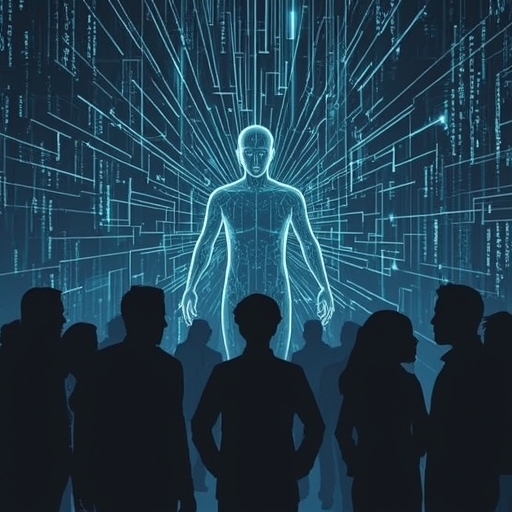
In a rapidly evolving era of artificial intelligence, the boundary between technological innovation and ethical responsibility grows increasingly fragile and complex. A recent case, revolving around the posthumous creation of an AI-generated avatar that replicates a deceased creator, has provoked an intense global discussion about the nature of consent, memory, and ownership in digital spaces. This sophisticated virtual likeness—designed ‘in memory’ of its human counterpart—has ignited both fascination and outrage, particularly after the creator’s family publicly condemned it as a violation of personal dignity rather than an act of homage.
The situation raises deeply philosophical and legal questions that stretch beyond technology itself: Can one truly possess an identity or its digital reconstruction after death? Should society permit artificial reincarnations when loved ones, who serve as guardians of legacy, object to their creation? These inquiries compel us to consider the tension between innovation and morality, autonomy and commemoration, and to question who ultimately controls the narrative of a person’s existence once they are no longer able to speak for themselves.
Proponents of such technological endeavors frequently argue that digital avatars, when properly authorized, can preserve human creativity, knowledge, and personality indefinitely—an extension of one’s intellectual and emotional footprints into eternity. They envision a future in which the voices and ideas of cherished figures continue to educate, comfort, and inspire generations long after death. However, critics counter that without explicit consent, these artificially maintained legacies risk transforming memory into exploitation, turning grief into spectacle, and reducing human essence to algorithmic imitation.
This ethical divide mirrors a broader cultural reckoning with the powers of generative AI. As algorithms grow capable of reconstructing speech patterns, facial expressions, and entire personalities, humanity must confront unsettling possibilities: the blurring of what is authentic versus synthetic, private versus public, respectful remembrance versus digital appropriation. Legal systems and digital platforms remain ill-equipped to adjudicate these nuances, leaving families vulnerable and creators unprotected.
Ultimately, the controversy illuminates the urgent need for clear frameworks of digital consent and posthumous rights—structures that safeguard both emotional integrity and innovation. The debate on the digital afterlife is not merely about technological capability; it is about redefining what it means to honor the dead in a connected world. As AI reshapes the human experience, we are challenged to decide whether immortality achieved through code enhances our humanity—or quietly erodes it.
Sourse: https://www.businessinsider.com/scott-adams-death-ai-avatar-resurrection-ethics-debate-family-backlash-2026-2