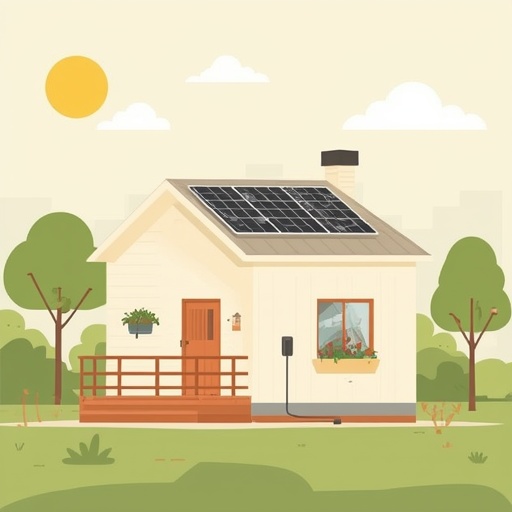
Across the United States, a fascinating transformation in home energy is unfolding, fueled by one remarkably accessible innovation: the do-it-yourself plug-in solar panel. Once a familiar feature on balconies and rooftops across much of Europe, this concept has recently begun to capture the imagination of American homeowners eager to reduce both their environmental footprint and their monthly electricity costs. At its core, the idea is disarmingly simple—compact solar panels that can be installed without professional contractors or complex permits, connected directly into a standard electrical outlet to feed clean solar power into a home’s energy system.
What makes this movement so powerful is its combination of affordability, simplicity, and sustainability. As energy prices continue to rise sharply and new state-level regulations increasingly favor renewable alternatives, the attraction of such plug-in systems has expanded beyond the enthusiast community to reach mainstream homeowners. These devices, often available as ready-to-use kits, provide an entry point into renewable energy that bypasses the high upfront costs and logistical hurdles that have traditionally accompanied large-scale solar installations. For instance, a household that hesitated to invest in a roof-spanning array can now begin with a modest panel or two, immediately trimming utility expenses while contributing to a greener electrical grid.
Europe has long embraced this trend, with plug-in solar panels adorning apartment balconies and suburban walls for years, serving as small yet meaningful steps toward energy independence. Now, buoyed by economic necessity and supportive government incentives, American households are discovering the same empowerment—an ability to take charge of their own power generation. The rise of this DIY approach signals not merely a consumer fad but a significant cultural shift toward democratizing clean technology. Homeowners no longer need to wait for large-scale energy reforms or costly infrastructure to join the renewable revolution; instead, they can quite literally plug into it themselves.
As awareness spreads and innovation accelerates, these modest systems could well become emblematic of the broader transition toward decentralized, user-driven sustainability. The future of clean energy in the U.S. is no longer limited to massive solar farms or complex incentive programs—it now includes individual citizens transforming their homes, one plug and one panel at a time. This simple yet transformative solar hack is proving that the path to a more affordable and environmentally responsible lifestyle begins right at the household level, powered by sunlight, self-reliance, and a growing commitment to sustainable living.
Sourse: https://www.wsj.com/business/energy-oil/plug-in-solar-electric-bill-859adcb7?mod=pls_whats_news_us_business_f