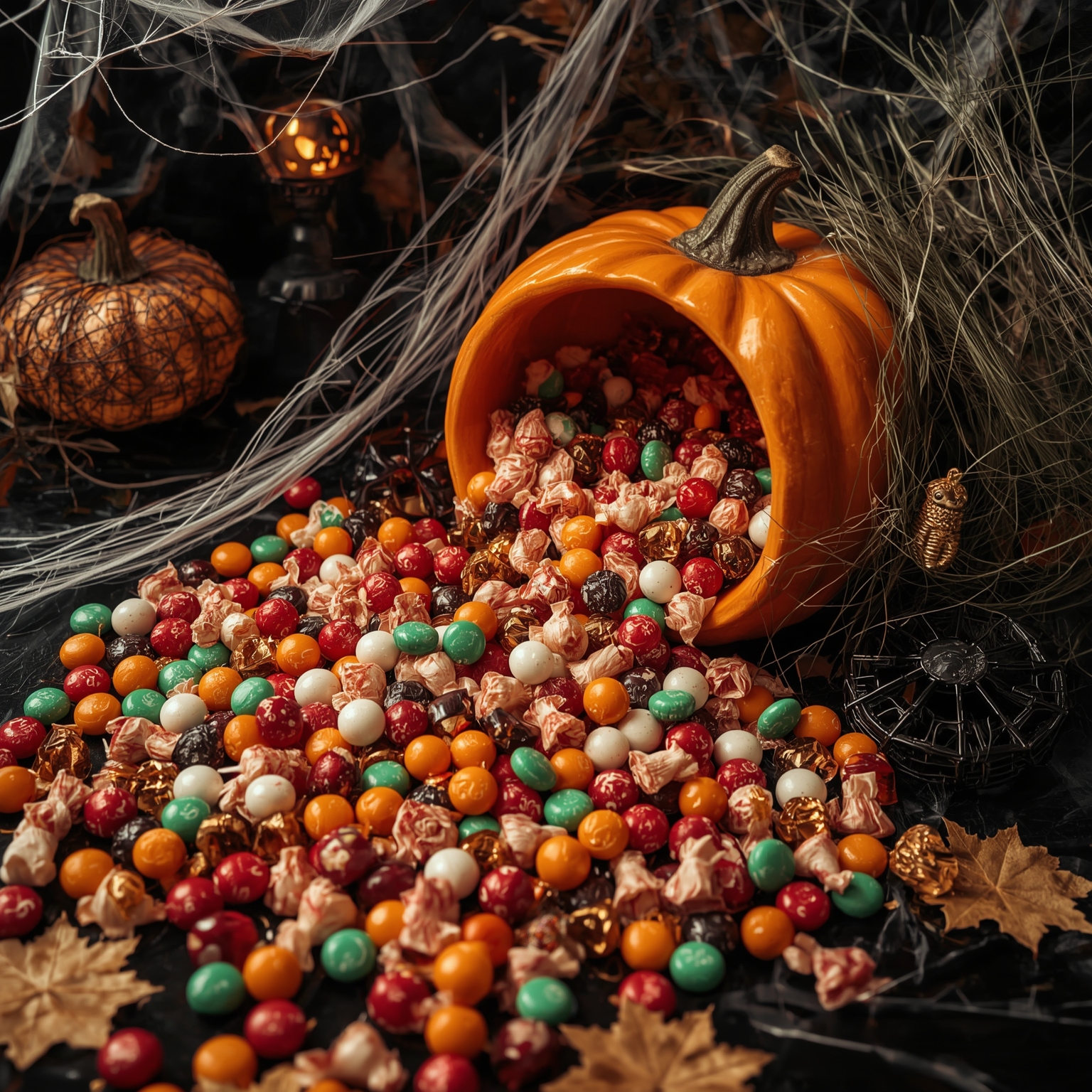
Chris Lewis has spent months attempting to outmaneuver the unpredictable fluctuations of the candy market, a task that has become unexpectedly complicated for the 36-year-old father of two living in Florida. Determined to maximize value for his family, Lewis patiently waited for the sort of seasonal promotions and discounts that usually arrive in abundance—such as buy-one-get-one deals or significant markdowns on bulk sweets. However, despite his vigilance, the price drops he anticipated never materialized.
Faced with these stubbornly high prices, Lewis explained that his family has adapted its purchasing habits rather than abandoning their Halloween tradition altogether. “We’ve been buying candy in larger quantities,” he said, noting that the goal is now to secure savings through volume rather than through promotional discounts. Buying bigger bags of candy, he reasoned, offers a slightly better cost-per-piece than the small, individually packaged assortments, even though the overall expenditure remains higher than in previous years.
This year, families across America are finding themselves engaged in a similar balancing act—adding a new, unforeseen challenge to their Halloween preparations. Alongside the usual scramble to locate the latest Halloween craze, such as the elusive “KPop Demon Hunters” costumes, households are now forced to strategize around how and when to buy candy without exceeding their budgets. According to recent data from the Bureau of Labor Statistics, the prices of candy and gum have surged sharply through September, propelled by a combination of tariffs and adverse climate events. These price increases have outpaced the broader rate of inflation, underscoring just how hard the confectionery market has been hit. Yet, despite these economic pressures, the data shows that consumer demand remains surprisingly resilient—much like the overall spending patterns in an inflation-weary economy.
Lewis exemplifies this persistence, continuing to purchase treats where and when he can find them. “We’ve picked up pretzels too,” he explained, demonstrating the growing flexibility in his approach. “At this point, whatever’s on sale or seems like a deal is what we’re grabbing.” His practical mindset reflects a broader national tendency to adapt rather than retreat under economic strain.
Indeed, analysis from the Groundwork Collaborative and The Century Foundation—drawing on NielsenIQ data—revealed striking increases across popular candy brands: Hershey variety packs rose by about twenty-two percent, Hershey Peanut Butter Cups climbed eight percent, and Tootsie Roll lollipops soared an astonishing thirty-four percent between the fall of 2024 and 2025. Experts point to two main culprits—tariffs and weather. Food industry analyst Phil Lempert explained to CBS News that nearly every key ingredient in confectionery production has been disrupted. Cane sugar and cocoa, both essential imports, are now more expensive due to tariff policies. Compounding the issue, cocoa production in West Africa has been devastated by droughts and violent windstorms, sharply reducing exports and driving global chocolate costs higher.
Despite the sticker shock, consumer enthusiasm for Halloween endures. A National Retail Federation survey, conducted in September in partnership with Prosper Insights & Analytics, polled over 8,000 participants and found that a majority still planned to purchase both candy and decorations. Economists predict Halloween spending could reach a record-breaking $13.1 billion in total, including an estimated $3.9 billion specifically allocated to candy purchases. This steadfast spending on seasonal joy mirrors what analysts have described throughout the year: even in the face of prolonged inflation, U.S. consumers continue to spend. In August alone, consumer expenditures rose by 0.6%, reflecting a persistent optimism—or perhaps a determined sense of normalcy—despite elevated prices across goods and services.
For first-time Halloween shopper Kaleigh Merriweather, age twenty-five, the realization of how costly candy had become was both surprising and disheartening. Accustomed to her parents traditionally handling Halloween expenses, Merriweather was caught off guard when shopping for her own household this year. “The price increase definitely changed my expectations,” she admitted in an interview with Business Insider. “I thought I’d spend around thirty dollars at most, but now it’s closer to fifty for just two large variety bags.” Though price-conscious, Merriweather decided not to abandon the custom, explaining that she simply adjusted which treats she bought. She noticed that chocolate assortments were disproportionately expensive and, to her disappointment, purchased fewer than she would have preferred. Still, she viewed the expenditure as necessary to uphold the spirit of the holiday. “You have to hand out something,” she said, adding that children should not bear the consequences of market fluctuations. Her only hope, she joked, was that the trick-or-treaters would enjoy their gummy candies as much as they would a Kit Kat.
In North Dakota, however, another family has chosen a profoundly different approach that reflects growing concern over the larger economic picture. Forty-two-year-old father Chris Eschbach and his wife have decided to forgo traditional Halloween candy entirely this year. With the suspension of certain food assistance benefits during the government shutdown, the couple felt compelled to respond in a way that aligns with their values. “My wife mentioned that with the SNAP benefits ending and so many people struggling, perhaps we should hand out real food instead,” Eschbach said. Their plan includes distributing simple, shelf-stable items such as ramen noodles, granola bars, and packages of Hamburger Helper—items that could genuinely help someone in need. “I don’t want to take the fun away from kids,” Eschbach clarified. “But given the current economic climate, I’d rather spend money ensuring someone has food than on candy that might just go to waste.”
Together, these stories illustrate how inflation and global supply disruptions have affected even the seemingly lighthearted traditions of Halloween. Families across the country are adapting in diverse ways—some stretching their dollars on bulk candy, others redefining their generosity to fit the times. The result is a portrait of resilience and adjustment, where the true spirit of the holiday persists, even as the cost of sweetness continues to rise.
Sourse: https://www.businessinsider.com/halloween-candy-prices-inflation-chocolate-2025-10


