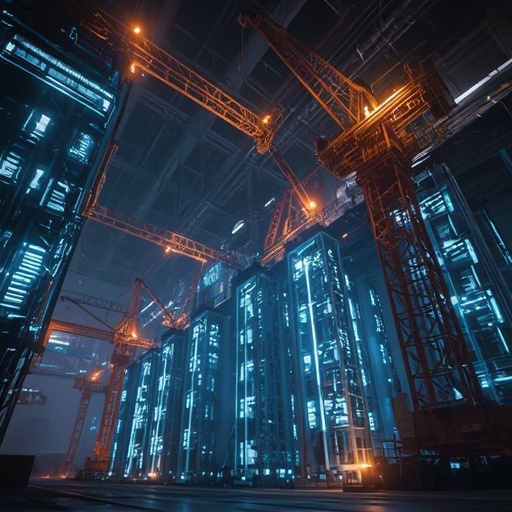
The extraordinary rise of artificial intelligence is propelling more than just technological innovation—it is shaping a new frontier of human labor. In Silicon Valley, the birthplace of code and algorithms, the latest challenge is not a shortage of programmers or data scientists but rather the pressing need for skilled builders. As AI systems drive exponential demand for physical infrastructure, particularly vast networks of data centers, an unexpected gap has emerged in the construction trades that power these expansions.
Across the technology sector, industry leaders such as Google and Meta are discovering that the digital revolution still relies upon the craftsmanship of highly trained human hands. These giants of innovation are investing heavily in trade training programs designed to cultivate expertise in fields like electrical work, HVAC installation, and precision steel construction—skills that are essential for crafting the physical homes of the digital age. Although AI may simulate intelligence, the servers that fuel it must still be assembled, wired, and maintained by real people with technical proficiency.
This movement represents a profound shift in Silicon Valley’s understanding of the future of work. For decades, coding was considered the ultimate ticket into the tech economy. Yet the relentless acceleration of AI has redefined value by elevating those capable of building the tangible infrastructure of technology itself. Modern data centers—colossal facilities filled with racks of glowing processors—demand not only digital sophistication but also structural and mechanical excellence. The steel frameworks, cooling systems, and electrical grids behind every algorithm are feats of advanced engineering and skilled manual labor.
By investing in a new generation of tradespeople, the technology world acknowledges that digital transformation is inseparable from physical innovation. Behind every algorithm lies a network of cables; beneath every cloud platform stands a foundation of reinforced concrete. In this sense, the builders of today are as vital to the AI revolution as the engineers who design neural networks. Their work ensures that the most advanced computations in the world can actually take place, anchored securely in steel and silicon.
The convergence of technology and craftsmanship reveals an unexpected truth: the future of artificial intelligence depends not only on software and code, but also on the enduring artistry of human skill. It is within these construction yards and workshops, as much as in research labs and offices, that the real groundwork for tomorrow’s digital society is being laid. The tech industry’s future will rise not only from brilliant ideas but from the hands that shape them into reality.
Sourse: https://www.businessinsider.com/google-meta-invest-trades-training-ai-data-center-boom-2026-6