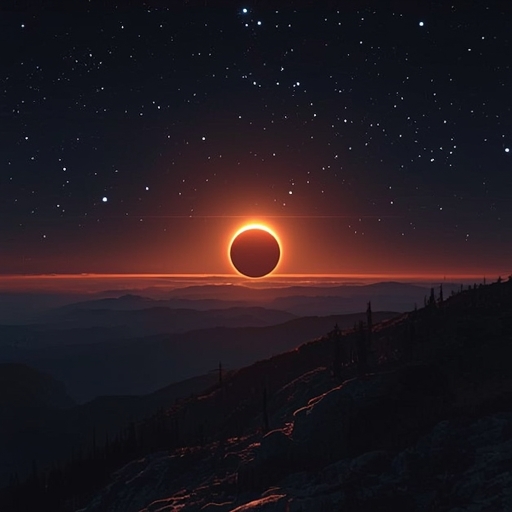
On the morning of March 3, the heavens will offer a dramatic and awe‑inspiring spectacle—a total lunar eclipse visible across much of North America. This celestial phenomenon, often referred to as a “blood moon” due to its deep crimson hue when the Earth’s shadow envelops it, promises an extraordinary opportunity for sky enthusiasts, photographers, and casual observers alike. However, as with many astronomical events, location will play a decisive role in determining how immersive the experience will be.
For those situated along the western regions of the continent—from the Pacific coastline through the western mountain ranges—the eclipse will unfold at a comfortable hour, offering a clear, unhurried view of each stage: the subtle penumbral shading, the encroaching darkness of the umbral phase, and the breathtaking moment of full totality when the moon glows copper‑red against a backdrop of stars. The relatively mild timing means that observers can watch the entire sequence without sacrificing too much sleep, perhaps even turning the moment into a social or educational outdoor event beneath the night sky.
Conversely, skywatchers across the eastern United States and Canada will have to contend with a far more demanding timetable. In many locations east of the Mississippi River, the most captivating stages of the eclipse will occur during the deepest hours of the night or just before dawn—a challenge for anyone hoping to catch the brief window of totality. In some eastern areas, the moon may even set before the full phase concludes, meaning the spectacle will be partial or fleeting. Those determined to witness it may consider scouting a high vantage point with an unobstructed western horizon, or making use of telescopic streaming options that many observatories plan to provide online.
Despite these differing conditions, the event symbolizes a collective experience that transcends geography. Whether seen in its full, unhurried glory from the Pacific coastline or glimpsed briefly through the haze of early morning light in the east, the total lunar eclipse is a vivid reminder of the intricate choreography of the cosmos. In a world where artificial illumination often drowns out the night sky, such moments rekindle a sense of humility and wonder—reminding us that above our restless daily lives, the universe continues its ancient and graceful patterns.
So, mark your calendar, prepare your camera, and set your alarm if you must. On March 3, the Earth, moon, and sun will align perfectly once again, turning the familiar face of the moon into a glowing emblem of our planet’s celestial harmony. Whether you witness it outdoors wrapped in a warm blanket or online through a telescope’s lens, this total lunar eclipse offers both a scientific marvel and a quiet, reflective beauty that connects all who pause to look upward.
Sourse: https://gizmodo.com/the-march-3-total-lunar-eclipse-sounds-amazing-but-theres-a-catch-2000726548