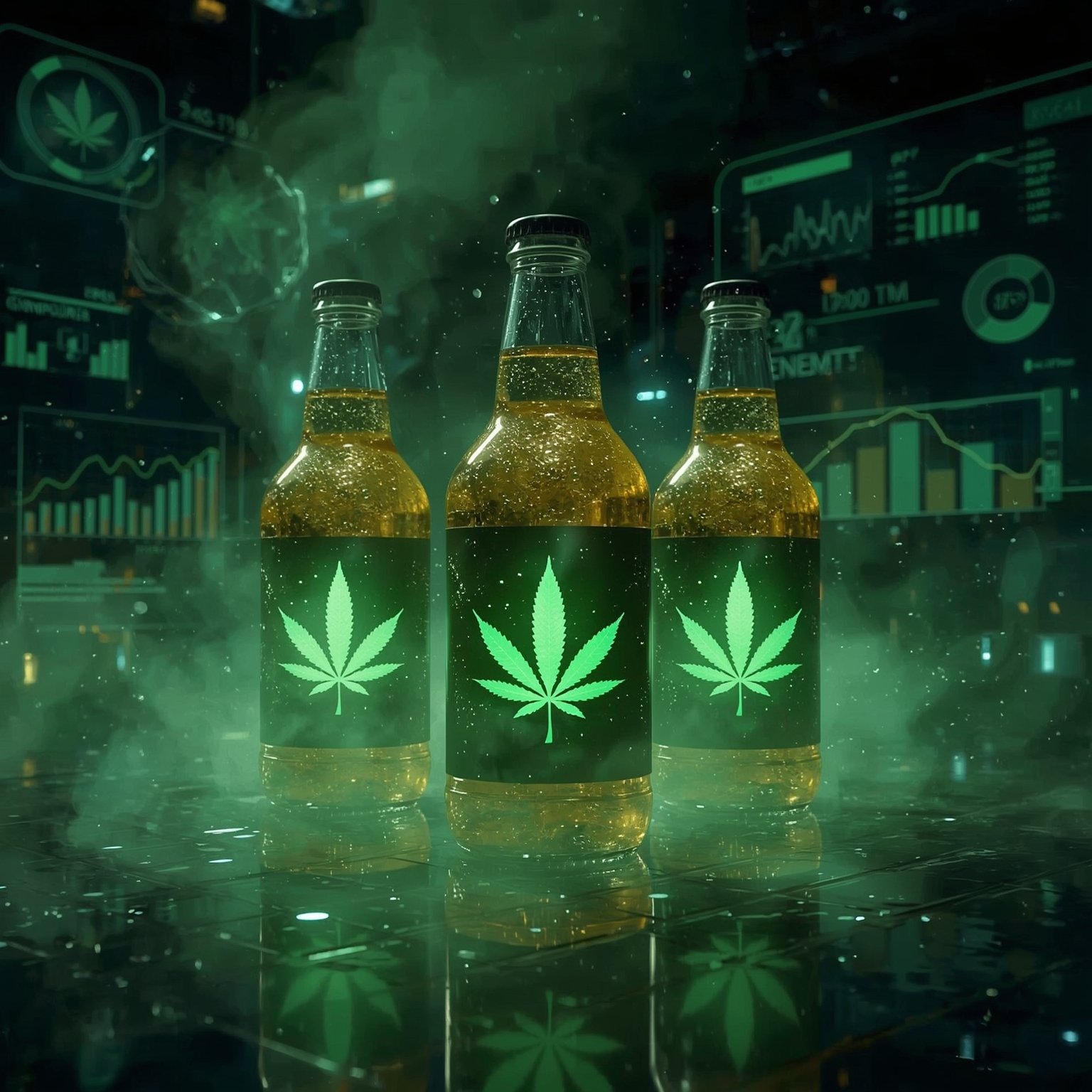
This essay, recounted from an in-depth conversation with Jake Bullock—the cofounder and chief executive officer of Cann, a pioneering company that produces THC-infused beverages—offers a clearer perspective on the current regulatory crossroads facing hemp-derived products. As part of the comprehensive government funding bill designed to end the prolonged shutdown and restore federal operations, Congress introduced stringent new restrictions on hemp, scheduled to take effect in November 2026. These rules would effectively prohibit many products derived from hemp-based THC, including beverages like those produced by Cann, by imposing a hard limit that no individual container may contain more than 0.4 milligrams of THC. The following narrative has been carefully refined for precision, length, and coherence.
Bullock does not interpret this development as an outright ban. Instead, he views it as a critical, time-limited opportunity—a one-year countdown that challenges the industry to finally establish the fair and transparent regulatory framework it has long sought. According to him, legislators intended primarily to address a specific subset of products: dangerously potent, synthetically produced THC items, such as candy-like gummies that have been marketed toward children. The legislative effort, spearheaded by Senator Mitch McConnell, aimed to curb the spread of those high-strength synthetic goods. In contrast, Bullock emphasizes that beverages like Cann’s are carefully dosed, comparatively mild, and crafted for responsible adult consumption. As such, he argues, few lawmakers or industry observers considered the possibility that such low-potency drinks would fall under the same scrutiny.
This legislative surprise caught nearly everyone off guard—not only loyal consumers who enjoy these beverages for their subtle effects and social appeal, but also business collaborators, ranging from alcohol manufacturers to retailers and distributors, many of whom have openly expressed support for Cann since the measure passed. Bullock points out that this restrictive language would likely never have advanced as a stand-alone bill. Instead, it was attached to a “must-pass” piece of legislation designed to reopen the government after the longest shutdown in U.S. history—a procedural maneuver that effectively pushed the provision through Congress without the usual debate or scrutiny.
If no corrective action or replacement law is enacted within a year, the result would be alarming: any hemp-based product containing more than 0.4 milligrams of THC per container would legally be treated in the same manner as a Schedule I controlled substance. Bullock warns that such an outcome could devastate an entire segment of the emerging industry, stifling innovation and eliminating brands that have conscientiously complied with health and safety standards. What is urgently needed, he contends, is intelligent, balanced legislation—specifically, a modernized beverage bill that acknowledges products like Cann as adult-use drinks and regulates them in ways comparable to alcoholic beverages. He remains hopeful that such a policy compromise is possible.
At the heart of Bullock’s argument is the evolving behavior of younger consumers. Members of Generation Z are consuming significantly less alcohol than previous generations and are actively seeking alternatives that offer relaxation without intoxication. For them, THC beverages present a refreshing new category of social drink—designed to create calmness and connection without the negative physiological effects associated with alcohol. These products are subject to logical control mechanisms similar to those surrounding traditional spirits: clear serving sizes, standardized potency measures, controlled environments for higher-strength varieties, and predictable taxation models like those overseen by the federal Tax and Trade Bureau. From a consumer perspective, THC drinks already function in the same cultural and commercial space as alcohol should—they are expected to be sold, taxed, and enjoyed in parallel.
This alignment between consumer expectations and responsible business practice feeds Bullock’s optimism. Recently, Cann launched a digital movement called “Don’t Ban Cann,” inviting customers to share personal stories about why these beverages matter to them. Within just twenty-four hours, the company received over 1,600 heartfelt submissions. Supporters wrote messages such as “Cann makes me a better parent” or “Cann saved my marriage,” revealing the emotional and social importance of these products to daily life. Bullock finds inspiration in this overwhelming response. He believes that mobilizing this community of engaged consumers—people who now recognize that their preferred products are suddenly at risk—will be one of the most critical elements in shaping a successful outcome for the industry.
He further stresses that the intention behind the new hemp-language restrictions was not inherently bad. Lawmakers were addressing a legitimate concern—protecting young people from concentrated synthetic cannabinoids disguised as candy. Bullock and Cann fully endorse the need to eliminate those hazardous products. Yet he warns against overcorrection, cautioning policymakers not to dismantle the entire hemp-based beverage sector in the process. As he puts it, “Don’t throw the baby out with the bathwater.” Creating measured safeguards for low-dose drinks is entirely possible; such beverages deserve to be treated with the same care, oversight, and practical rules that apply to alcohol.
Within the hemp industry itself, some stakeholders resisted any form of restrictive law, preferring to maintain a loosely regulated status quo. For several years, the prevailing message among hemp advocates had been one of preservation—protecting existing freedoms and avoiding legislative entanglement. Bullock now believes that mindset must end. The events surrounding this latest bill illustrate that complacency is no longer a viable strategy. Rather than defending an unstructured system, industry leaders need to collaborate on nuanced, enforceable standards that prevent abuse while safeguarding legitimate businesses. Certain problematic products that contributed to the current confusion, he admits, should likely be prohibited altogether.
Ultimately, this moment is a turning point rather than a catastrophe. The hemp and cannabis beverage industry stands at a crossroads between prohibition and legitimacy. If reform-minded companies, policymakers, and consumers work together to create sensible regulation, low-dose THC beverages can thrive as a safe, enjoyable, and socially responsible alternative to alcohol—just as they were intended to be. Senator Mitch McConnell’s office did not immediately respond to requests for comment on this matter, leaving the broader debate to continue among industry voices who now recognize that real progress demands more than maintaining the status quo—it requires bold, forward-looking leadership.
Sourse: https://www.businessinsider.com/thc-drink-cann-ceo-reaction-hemp-restrictions-congress-2025-11


