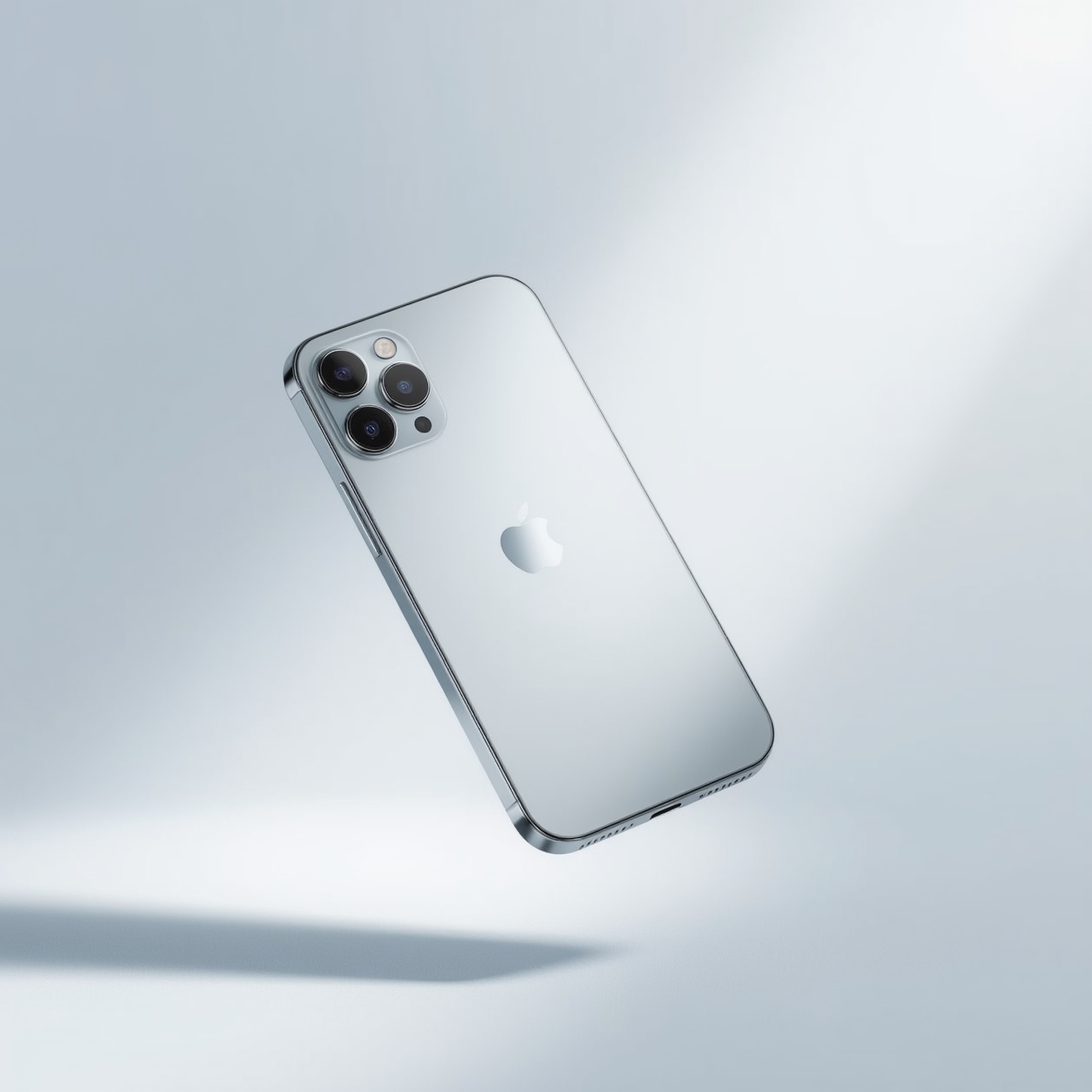
It has been quite some time since Apple hosted one of its highly orchestrated product unveilings that left me with an immediate, almost primal reaction of desire—the kind of response where you do not pause to weigh practicality but instead exclaim to yourself, “I must have that, no matter what.” The last instance when I truly felt such compulsion was likely during the introduction of the iPhone X, an iteration that signaled a significant leap forward in both design and technology. Everything that has followed since then, however, has been comparatively restrained and evolutionary: a bit more processing power here, a marginally enhanced camera system there. These upgrades, while technically impressive, have not been transformative enough to render older models obsolete, leaving many users—including myself—feeling that holding onto our existing phones was entirely sufficient.
Yet, at Apple’s most recent event, the moment the iPhone Air appeared on screen, I experienced a visceral surge of excitement that was almost cartoonish in nature—my eyes widened, metaphorically bulging in exaggerated astonishment, accompanied by an involuntary internal howl of awe. The premise, at its core, seemed deceptively straightforward: reimagine the iPhone in an ultra-thin form factor. However, the more I contemplated this seemingly simple idea, the more I realized how thoroughly appealing it was, despite my initial lack of expectation.
For years, my loyalty has been firmly attached to Apple’s largest models, the Pro Max line, largely because I prize having a generously proportioned display. Reading long articles, watching video content, and even multitasking between apps feels far more immersive with a screen size that borders on tablet territory. The trade-off of carrying around a heavier, bulkier device always seemed worth it in exchange for that expansive visual real estate. What surprised me, however, was discovering that the iPhone Air’s dimensions strike a delicate balance: its 6.5-inch screen feels ample, sitting just below the 6.9 inches of the iPhone 17 Pro Max. Considering my long-standing daily use of the 6.7-inch Pro Max 14, sacrificing a negligible 0.2 inches in screen space hardly seems like a dire compromise.
Equally important is performance. One of my steadfast refusals in the past has been to downgrade to smaller devices that were marketed for convenience but had stripped-away features. When Apple briefly revived the “Mini” model with the iPhone 12 series—a nostalgic nod in size to the much-beloved iPhone 5—certain demographics, particularly those with smaller hands, were delighted. Compact phones fit easily in their pockets, and one-handed use was more manageable. However, those models inherently entailed serious limitations in battery capacity and features, which made them feel less than ideal as daily drivers for power users. Similarly, Apple’s SE line attempted to maintain affordability and compactness but at the cost of cutting-edge innovation. By contrast, the Air does not appear to demand the same level of sacrifice, which is precisely where its allure lies.
In my current routine, I typically carry my phone in a handbag and rely on a PopSocket to manage the unwieldy sprawl of my large-screen Pro Max. My hands have long since been conditioned to stretch uncomfortably across the wide glass expanse, which is why I have little enthusiasm for truly small devices, amusing though they may be. A friend once demonstrated their impossibly tiny Unihertz Jelly—a phone that could almost disappear in the palm—but while its minuscule size was comical and adorable, it was hardly aspirational. Conversely, the iPhone Air’s defining attribute—its thinness—represents exactly the kind of refinement I had unknowingly been waiting for.
Here, however, I must confess a mildly embarrassing detail: over years of daily use, the daunting weight of my current Pro Max has begun to manifest in tangible physical strain. Extended screen time—particularly during weekends when I am not anchored to my computer keyboard—often leaves my wrist aching, a painful reminder of how modern technology can exert a toll not only on cognitive well-being, through endless doomscrolling, but on the body itself. Presently, I even find myself wearing a wrist brace, a necessity partly triggered by an unrelated injury yet exacerbated by the unrelenting heft of my smartphone. Thus, a lighter, thinner device is not merely a matter of aesthetic preference for me; it borders on a genuine ergonomic need.
Admittedly, such a design does introduce potentially unavoidable drawbacks. The most obvious concern with the iPhone Air is its expectedly reduced battery life—an inevitable consequence of compressing internal space. Apple has addressed this shortcoming by offering a proprietary $99 battery pack that magnetically attaches to the device. While the necessity of carrying such an accessory may disappoint some, I am already accustomed to supplementing my phone’s endurance with a whimsical pink floral MagSafe power pack sourced from an offbeat retailer, so this limitation feels less like a burden than others might perceive it to be.
Another potential compromise lies in camera performance. The Air adopts a simplified approach, equipping only a single rear lens. For someone like me, who genuinely values photographic versatility, this is no small matter. The degree to which such a pared-down system might limit creative possibilities remains a pressing question that will only be answered by hands-on use. Yet Apple has sought to counterbalance this reduction through intriguing new software enhancements. For the first time on an iPhone, the celebrated “Center Stage” feature—previously exclusive to iPads—makes its debut, allowing the front-facing camera to dynamically reframe and track participants during video calls. Equally compelling is “Dual Capture,” a function that records footage simultaneously with both front and rear cameras, enabling, for example, the documentation of an event alongside real-time reactions. While it is unlikely that I will exploit this feature on a daily basis, its creative potential is undeniable and suggests that, overall, the Air may still feel like a meaningful step forward even when juxtaposed against my Pro Max 14.
Therefore, the equation is becoming increasingly clear: I crave a lighter device that spares my overworked wrist while still preserving the spacious display I rely upon. I am ready to accept shorter battery endurance and even a modest reduction in photographic hardware if these are the necessary trade-offs. For me, the iPhone Air is not merely another incremental addition to Apple’s expansive lineup; it represents the long-awaited resolution to a problem I scarcely realized had been burdening me for years. At last, it feels as though Apple, under the leadership of Tim Cook, has delivered precisely what I was silently hoping for. To that, I can only say with unrestrained gratitude: thank you.
Sourse: https://www.businessinsider.com/iphone-air-price-worth-apple-pro-battery-life-weight-screen-2025-9