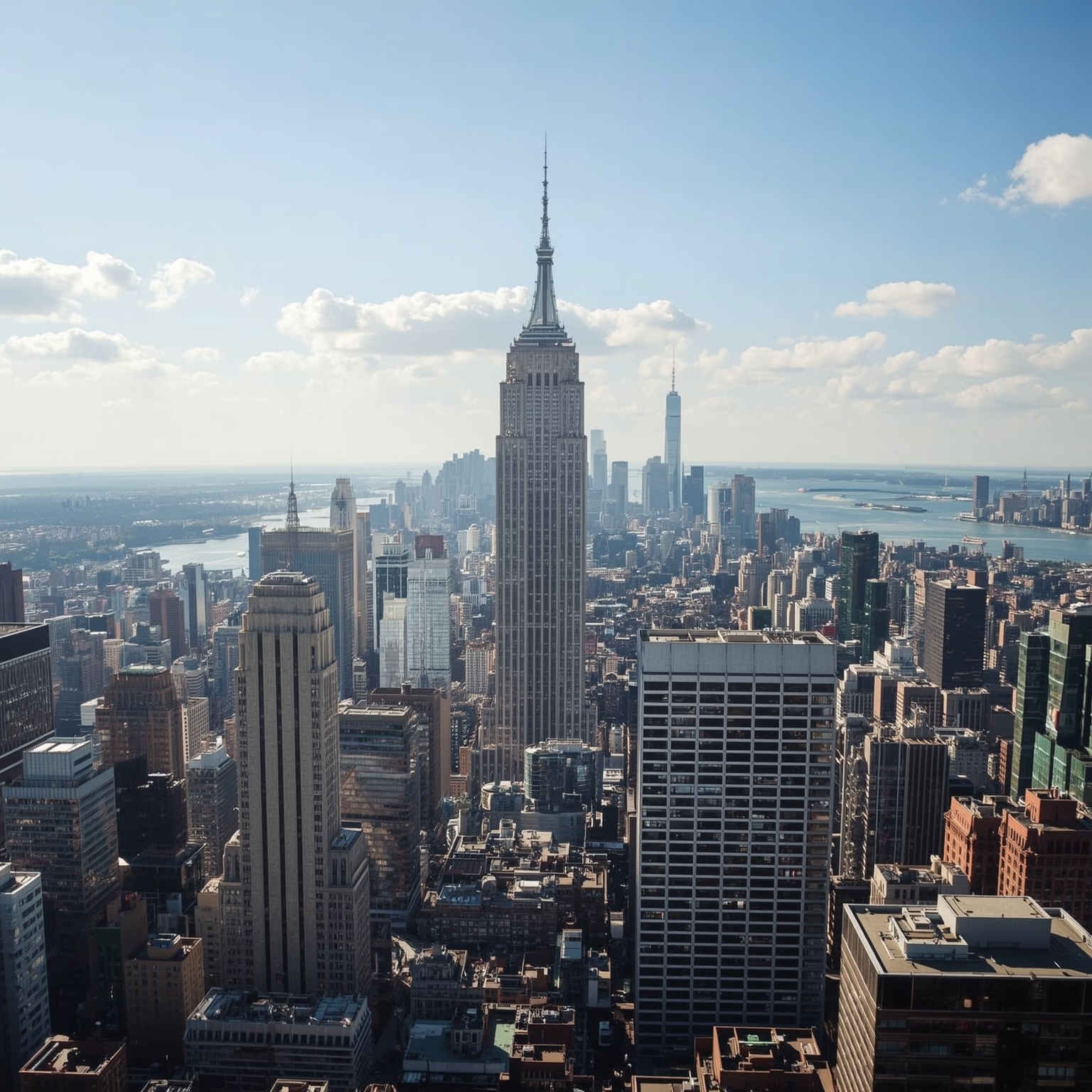
Real estate analysts and seasoned industry professionals are paying remarkably close attention to several pivotal property markets as the calendar edges toward 2026—a signal that informed investors, developers, and even ordinary buyers should be equally attentive. This heightened scrutiny stems in large part from the latest findings of consulting firm PwC, which, in collaboration with the Urban Land Institute (ULI), has issued its widely anticipated “Emerging Trends in Real Estate” report for 2026. At the core of this comprehensive study lies an in-depth ranking of the most promising metropolitan areas deemed the “top markets to watch.” These rankings emerge from a sweeping survey that collected insights from more than a thousand real estate experts, each offering their professional evaluations of regions based on two critical dimensions: prospects for investment and potential for development growth.
Historically, the Sun Belt region has dominated conversations about economic expansion and migration patterns, often lauded for its relatively affordable cost of living, hospitable climate, and development-friendly environment. However, this year’s edition of the report paints a more nuanced picture, bringing renewed attention to the Northeast as a region with significant untapped potential heading into 2026. According to PwC partner Andrew Alperstein, who spoke with Business Insider, four of the ten most promising markets identified in the rankings are located in the Northeast—an unexpected shift that underscores the region’s resurgence. Alperstein explains that much of this momentum reflects a “return-to-office” and “return-to-city” phenomenon, seen most prominently in New York City and its nearby urban enclaves. Neighborhoods such as Brooklyn and cities like Jersey City, New Jersey, embody this new wave of urban revival. Both areas attract young professionals—particularly millennials—by offering a compelling mix of relative affordability, easy access to Manhattan, and a vibrant range of lifestyle amenities that include restaurants, cultural institutions, and modern housing options.
Among all the high-performing cities, Jersey City stands out as one of the most notable climbers. Within just a year, it vaulted seventeen positions in the national rankings, a dramatic improvement that directly reflects the city’s ability to capitalize on its geographical proximity to Manhattan. As more employees transition back to physical office spaces, the local economy has gained momentum across multiple sectors. Workers returning to offices inevitably drive heightened demand for nearby restaurants, retail shops, and—most critically—accessible housing. Supported by robust investment activity, Jersey City’s momentum is reinforced by tangible capital flows: in the first half of 2025 alone, the city recorded $177.4 million in real estate investments, with approximately sixty-five percent of that sum channeled into multifamily apartment developments, according to data from CBRE Research and MSCI. This allocation indicates investors’ confidence in sustained residential growth and a long-term desire for balanced urban living environments.
While the Northeast is experiencing an emerging upswing, other regions are facing a more tempered outlook. In particular, certain southern markets that once epitomized breakneck expansion—such as Austin, Texas—have cooled noticeably. Alperstein attributes this slowdown to insufficient economic diversification. During the height of Austin’s rise, much of its momentum was concentrated in its booming technology sector, which spurred enthusiasm but also made the city vulnerable to shifts in that specific industry. By contrast, metropolitan areas like Dallas or Miami benefit from a wider range of economic drivers, including finance, healthcare, logistics, and creative industries, helping them sustain more balanced and resilient growth trajectories. According to the latest rankings, only two Texas cities—Houston and the Dallas–Fort Worth metroplex—secured places within the coveted top ten, while a mere three Texas markets appeared within the top twenty-five overall. This represents a recalibration of the nation’s growth patterns toward regions that combine economic pluralism with livability.
The overarching theme of PwC and ULI’s 2026 outlook is that the cities most likely to thrive in the years ahead are those capable of maintaining an equilibrium between affordability, employment opportunity, and quality-of-life amenities. These are places where residents do not have to choose between economic advancement and livable comfort. As America continues to adapt to shifting work patterns, evolving demographic preferences, and dynamic real estate cycles, these balanced urban environments appear best positioned to attract renewed waves of development capital and human talent alike.
According to PwC and the Urban Land Institute, the ten “markets to watch” for 2026 are as follows:
10. Phoenix, Arizona — A resilient southwestern hub demonstrating solid population growth and increasing investor confidence.
9. Manhattan, New York — The enduring symbol of global finance and culture, gradually regaining strength as urban life normalizes.
8. Tampa–St. Petersburg, Florida — A coastal metropolitan area noted for its lifestyle appeal and business expansion.
7. Northern New Jersey — A commuter-friendly region benefiting from its adjacency to New York City.
6. Nashville, Tennessee — A thriving center for entertainment and commerce with a youthful demographic appeal.
5. Houston, Texas — A heavyweight in energy and technology integration, showing consistent reinvestment activity.
4. Brooklyn, New York — A creative and residential hotspot representing the modern reimagining of New York living.
3. Miami, Florida — A dynamic international gateway city, merging cultural vibrancy with strong property demand.
2. Jersey City, New Jersey — A rapidly ascending market capturing renewed investment through urban accessibility.
1. Dallas–Fort Worth, Texas — The top-ranked metropolitan area, distinguished by its diversified economy and sustained development growth.
Together, these rankings reflect how a confluence of economic pragmatism, demographic shifts, and emerging lifestyle preferences is shaping the real estate landscape for 2026 and beyond.
Sourse: https://www.businessinsider.com/hottest-real-estate-markets-2026-return-to-office