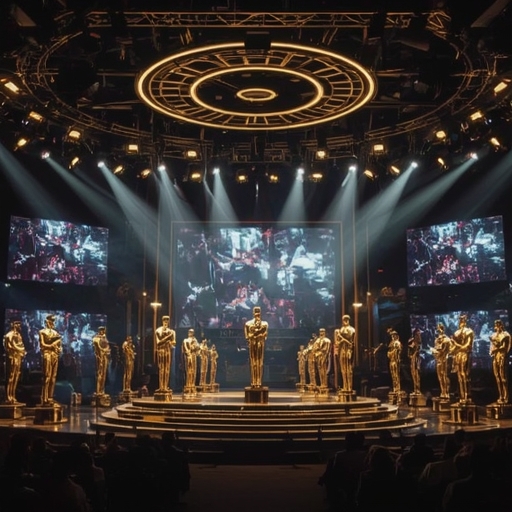
On December 17, 2025, at precisely 18:28 UTC, an announcement reverberated across the global media landscape—one that signals a remarkable transformation within the entertainment industry’s evolving hierarchy. YouTube revealed that beginning in 2029, it will possess the exclusive worldwide broadcasting rights to the Academy Awards, the iconic ceremony more commonly known as the Oscars. This development, representing a decisive triumph for the streaming giant, underscores the escalating intensity of competition among digital platforms as they vie for dominance over a limited array of prestigious live events that once belonged almost exclusively to traditional television networks.
For nearly a century, the Oscars have stood as a cultural touchstone, an annual celebration that both honors cinematic excellence and captivates massive international audiences. Historically, the broadcast has ranked among the most-watched television events of any given year, often drawing tens of millions of viewers around the globe. In fact, outside of high-profile sporting contests or presidential elections, the Oscars frequently remain the only entertainment event to consistently secure a position among the top 100 most-viewed telecasts. Thus, YouTube’s acquisition of its global streaming rights represents not merely a contractual victory but a generational shift in how viewers will experience Hollywood’s most glittering evening.
The Academy of Motion Picture Arts and Sciences, which oversees the awards, formally confirmed the decision on Wednesday, stating that YouTube would retain exclusive distribution rights from 2029 through 2033. This partnership marks a major milestone in the Academy’s adaptation to modern viewing habits, reflecting an acknowledgment that audiences increasingly prefer digital platforms for live, interactive experiences. Meanwhile, traditional broadcasters are witnessing the gradual erosion of the exclusive influence they once held over marquee live programming.
Neal Mohan, the Chief Executive Officer of YouTube, described the collaboration as both a privilege and an inspiration. In his statement, he praised the Oscars as one of the world’s most essential cultural institutions—an enduring celebration of storytelling, artistry, and creative accomplishment. According to Mohan, bringing the ceremony directly to global audiences through YouTube will not only modernize access to the event but also ignite the imaginations of a new generation of filmmakers and film enthusiasts who grew up consuming culture online. This digital partnership, he emphasized, seeks to balance innovation with reverence for the Oscars’ storied legacy, ensuring that its artistic spirit remains intact even as its delivery evolves.
While the Academy’s agreement with YouTube introduces an exciting new chapter for live entertainment streaming, traditional partners are not immediately fading into history. Disney and ABC will continue their long-standing stewardship of the broadcast through the 2028 ceremony, maintaining the continuity of the event’s televised heritage until YouTube officially assumes control the following year. Their tenure will act as a bridge between eras—the twilight of appointment television and the dawn of globally accessible, platform-agnostic live broadcasting.
The announcement arrives amid an increasingly competitive landscape in which leading streaming platforms—such as Netflix, Amazon Prime Video, and others—strive to secure rights to exclusive live events, from sports tournaments to awards ceremonies. Ownership of real-time cultural moments has become a hallmark of prestige and influence in the digital media age. Thus, YouTube’s success in landing the Oscars positions it not only as a host of recorded content but as a principal stage for global live experiences. The decision redefines the relationship between Hollywood and technology in ways that could shape the entertainment industry for decades to come.
In the coming months, further details about the partnership’s logistics, production arrangements, and new digital engagement features are expected to emerge. For now, this landmark agreement represents a symbolic and strategic bridge between the legacy of old Hollywood and the boundless frontier of online streaming—a story that, as industry observers note, is still developing.
Sourse: https://www.businessinsider.com/youtube-oscars-rights-2029-2025-12