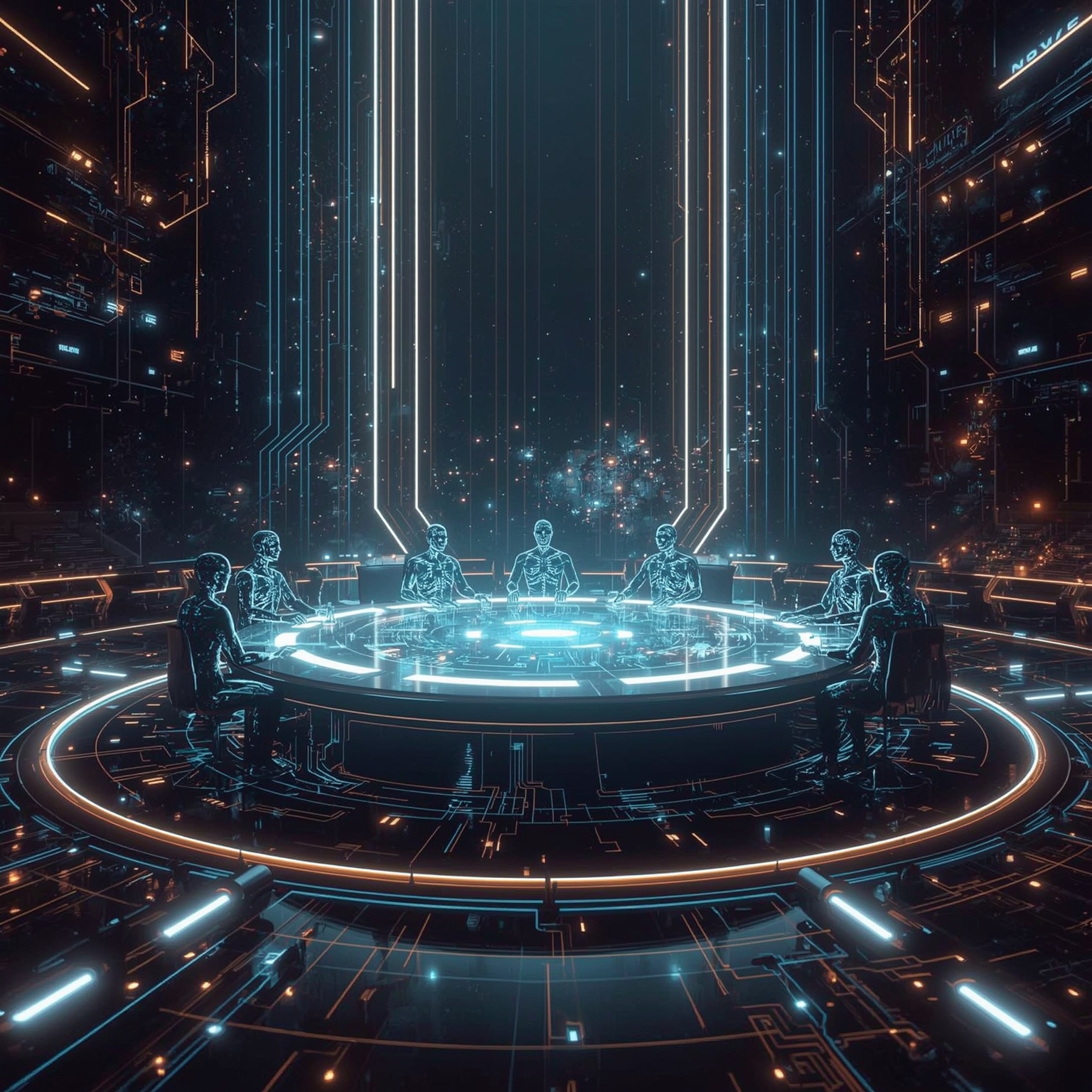
What exactly is meant by the term AGI? The abbreviation itself stands for Artificial General Intelligence, which, at first glance, seems simple enough. Yet behind these three words lies an intricate and often contentious idea: the creation of a machine possessing the full range of intellectual abilities that humans naturally wield. It raises a cascade of profound questions — not only about what such intelligence truly entails, but also about how we might recognize its arrival when it finally emerges. More provocatively still, one must wonder: who holds the authority to declare that such a historic threshold has been crossed? Will human experts make the final call, or will the self-aware system — the AGI itself — deem that moment of awakening official?
This week has offered a fascinating context for those questions as OpenAI, after an extended and complex restructuring process designed to increase its efficiency, stability, and ultimately its value, completed a major organizational transformation. Alongside this internal overhaul, the company also revisited and revised its formal agreement with Microsoft — a partnership that has always been central to its operations. The updated terms, critically important to the future of AI development, outline who determines when AGI is achieved, what criteria define that milestone, and, significantly, what actions follow once the world collectively acknowledges that Artificial General Intelligence has arrived. For years, the idea of reaching AGI was described in almost mythic language, envisioned as a cataclysmic singularity — a single, spectacular moment that would forever divide human history into a ‘before’ and an ‘after.’ Yet now, that once‑fantastical event is being treated with a kind of pragmatic normalcy, as if humanity’s greatest technological breakthrough may unfold quietly, on some ordinary Tuesday.
In the latest episode of *The Vergecast*, hosts David and Nilay delve deeply into this evolving narrative, discussing not only OpenAI’s restructuring and its renewed collaboration with Microsoft, but also the broader implications of what these changes signify for the quest toward AGI — or, as they playfully dub it, ‘Digital Jesus.’ Before the conversation turns fully toward OpenAI, however, the episode takes time to survey the broader landscape of artificial intelligence news from the week. Among the most striking updates are those emerging from Adobe Max, where the company announced a wide spectrum of innovations. These range from genuinely remarkable and powerful creative tools that amplify artists’ potential, to more questionable developments — algorithms that mass‑produce low‑quality AI images and videos, which some critics derisively refer to as ‘slop machines.’ Such systems, designed to generate endless content with minimal human oversight, threaten to inundate social platforms with a torrent of meaningless digital debris. In examining Adobe’s new releases, one could almost tell the complete story of AI’s promise and peril through the lens of its applications alone.
The hosts also broaden the discussion to include other major technology companies — from Meta to YouTube and beyond — each of which is increasingly integrating AI into their content production strategies. These shifts raise difficult questions about the evolving nature of creativity, authenticity, and revenue in the modern creator economy. When artificial intelligence begins to populate the same spaces once reserved for human originality, how will we distinguish art from automation, talent from synthesis, and intention from algorithmic iteration?
After covering these developments, the conversation returns to its central topic: OpenAI. The company’s recent press release, announcing its renegotiated deal with Microsoft, offers a trove of strategic details and public‑relations flourishes. According to the hosts, this may be the most meticulously crafted and densely packed corporate statement ever dissected on *The Vergecast*. They methodically work through its contents, questioning not just the specifics of the agreement but also the deeper narrative — whether anyone truly believes the polished story being told, or whether unspoken motives and uncertainties linger beneath the surface.
Finally, as the episode accelerates into its traditional lightning round, the tone grows lively and unpredictable. The hosts touch on a series of disparate yet entertaining topics: FCC Commissioner Brendan Carr (whose commentary they criticize with unmistakable humor), recent recalls surrounding Tesla’s Cybertruck, the cryptic disappearance of the so‑called ‘Trump Phone,’ the phenomenon of ‘Ghost Posts,’ and several other curiosities from across the tech landscape. Each subject, though smaller in scope than AGI, reflects the larger theme of how swiftly and strangely the digital world continues to evolve.
Listeners intrigued by these discussions can find an array of supplementary links accompanying the episode — a curated index that begins with resources on Adobe’s experiments in AI‑driven creativity and extends through the playful yet revealing miscellany of the lightning round. Together, these references invite further exploration into the increasingly blurred boundary between human ingenuity and machine intelligence, a line that grows fainter with every passing week.
Sourse: https://www.theverge.com/podcast/811156/openai-agi-microsoft-vergecast


