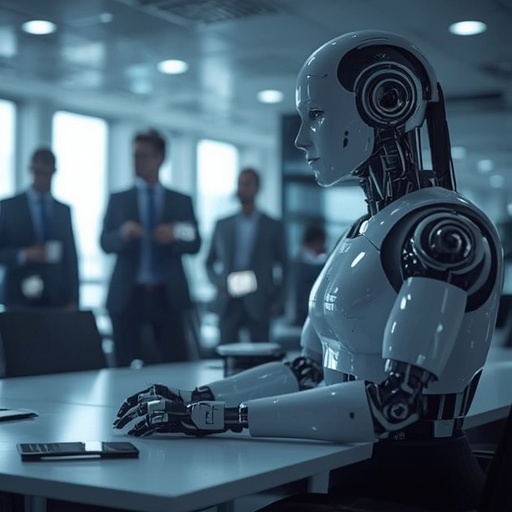
The year 2026 stands as a pivotal chapter in the story of technological transformation, where rapid innovation is intertwined with profound shifts in the global workforce. Across industries — particularly within technology — organizations are navigating the dual-edge impact of Artificial Intelligence. On one hand, AI is driving unparalleled levels of efficiency, precision, and operational advancement; on the other, it is prompting sweeping structural changes that reach deep into the employment landscape. Our meticulously curated running list examines how major companies, from established technology giants to ambitious startups, are attributing significant workforce reductions directly or indirectly to the integration of AI-driven tools and automation systems.
This growing trend underscores a dramatic reconfiguration of workplace dynamics, in which artificial intelligence is not merely a supportive technology but a catalyst redefining human roles, professional skill sets, and the very concept of what constitutes a job. By systematically documenting corporate statements, internal reports, and public disclosures, this evolving index offers an analytical overview of which sectors are most affected and how decision-makers justify their reliance on AI to streamline operations. Some organizations emphasize innovation and long-term strategic adaptation, while others highlight economic challenges or competitive pressures as reasons for reconceptualizing their workforce through automation.
Yet, beyond the statistics and headlines, this transformation invites deeper reflection. As AI continues to demonstrate its capability to complete complex cognitive and procedural tasks that once required human oversight, the ethical and socioeconomic implications become increasingly complex. What new opportunities might arise in the wake of technological displacement? How can companies foster a sustainable balance between human contribution and digital intelligence? The 2026 layoffs attributed to AI not only serve as tangible indicators of evolving business priorities but also as signals of an urgent need for reskilling, innovation in education, and proactive adaptation within professional communities.
Viewed through a broader lens, this ongoing chronicle reveals how automation is reshaping the contours of modern employment. It illuminates the growing divisions between roles that can be enhanced by AI and those increasingly replaced by it, while also presenting an opportunity to envision new paradigms of collaboration between people and machines. The future of work, as evidenced in these data-driven decisions, is not merely about technological capability but about redefining human purpose and potential amid a continuously automated world.
As readers and industry participants engage with this list, they are encouraged to look beyond the immediate figures and consider the profound cultural, strategic, and personal questions that accompany this technological shift. Whether one is a leader navigating organizational transformation, a professional refining new skills for the AI era, or a policymaker addressing emergent challenges in labor and ethics, the insights gathered within this record serve as both a mirror of current realities and a map toward the next frontier of human–machine coexistence.
Sourse: https://techcrunch.com/2026/06/22/the-running-list-major-tech-layoffs-in-2026-where-employers-cited-ai/