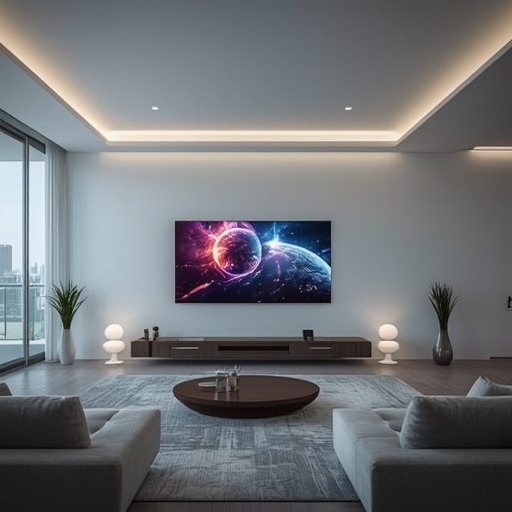
Over the past decade, the stark divide between top-tier television brands and their budget-friendly counterparts has gradually diminished, creating a landscape where advanced technology is no longer the exclusive domain of luxury models. Once, manufacturers such as Sony, Samsung, and LG stood as unrivaled benchmarks of premium quality, offering cutting-edge innovations like OLED displays, superior contrast ratios, and sophisticated image processors that justified their lofty price tags. However, the rapid acceleration of component innovation, paired with global manufacturing efficiency, has begun to democratize access to these formerly elite features.
Today, consumers find themselves in a remarkably favorable position where televisions in the mid-range—or even lower price segments—can rival flagship models of previous years in both design sophistication and performance. Enhanced 4K and even 8K resolution, high dynamic range imaging, and smart operating systems powered by artificial intelligence are becoming industry standards rather than premium luxuries. This leveling effect within the market means that everyday viewers can now enjoy cinematic color precision, intuitive voice-controlled navigation, and seamless streaming integration without a prohibitive investment.
Several forces contribute to this transformation. First, manufacturing scale has significantly reduced the cost of advanced panels and processors. Brands once considered strictly budget, such as TCL and Hisense, have leveraged partnerships with component suppliers to incorporate quantum dot and OLED-like technologies while keeping prices accessible. Second, the proliferation of open-source smart TV platforms, combined with cloud-based updates, ensures that even low-cost models benefit from continuous software improvements—features that once defined premium exclusivity. Lastly, market competition has fostered a design renaissance, driving minimalist aesthetics and ultra-slim form factors across all price brackets.
The implications of this shift are profound for both manufacturers and consumers. For consumers, the choice between affordability and quality has become less of a compromise and more of a preference informed by subtle differences in brand philosophy or ecosystem integration. Meanwhile, for legacy premium manufacturers, the challenge lies in redefining value beyond hardware superiority—finding ways to differentiate through user experience, sustainability initiatives, or immersive connectivity across devices.
Ultimately, the shrinking gap between premium and budget TV brands signals a pivotal evolution in consumer electronics: a future where innovation is not determined by price but by design vision and accessibility. Upgrading your home entertainment setup has never been more inviting or democratized. Whether seeking the pinnacle of picture perfection or balanced performance at an exceptional value, today’s television market empowers every viewer to experience technological excellence without compromise.
Sourse: https://www.theverge.com/tech/857325/the-gap-between-premium-and-budget-tv-brands-is-quickly-closing