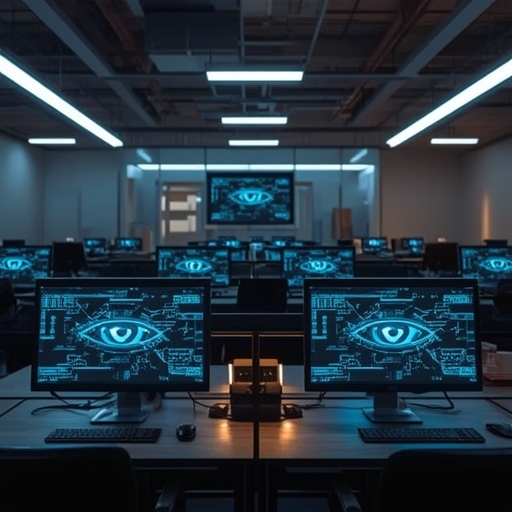
Across the contemporary professional landscape, the line separating productivity from personal privacy is growing increasingly indistinct. Artificial intelligence, now firmly embedded within modern workplaces, is transforming not only how organizations operate but also how they observe the individuals who keep them running. Where surveillance once relied on visible mechanisms such as cameras, time logs, or managerial check-ins, it now unfolds in far subtler ways—through code, algorithms, and automated monitoring systems that record every digital footprint.
This evolution has introduced an era of what might be called quiet oversight. Every email sent, document accessed, or keystroke logged becomes a potential data point within systems designed to assess efficiency and optimize performance. Yet this pursuit of quantifiable productivity brings with it an implicit expansion of surveillance, one that is less intrusive in appearance but vastly more pervasive in scope. Instead of direct observation, employees now exist within an ecosystem of data analysis where artificial intelligence continuously interprets their behaviors, patterns, and decisions.
For leaders and organizations, this shift presents both profound opportunities and delicate ethical challenges. The insights gained from these intelligent tools can revolutionize workflow design, predict burnout before it occurs, and improve collaboration across teams dispersed around the globe. However, these same capabilities demand extraordinary care. Without transparency and respect for personal boundaries, what began as a means of innovation can quickly erode trust and cultivate anxiety among workers who feel constantly evaluated by unseen systems.
The implications extend well beyond efficiency metrics; they reach into questions of rights, consent, and the ownership of one’s digital identity. Is it fair, for instance, that the routine interactions of employees—clicks, messages, or browsing patterns—may silently feed the training data of future AI models? Can true creativity thrive in an environment where observation is omnipresent, even if imperceptible? Such questions lie at the heart of a broader societal dialogue about how technology should coexist with human agency.
The future of work will likely depend on how effectively we navigate this tension between innovation and autonomy. Organizations that embrace artificial intelligence responsibly—implementing clear data governance policies, communicating openly about how information is used, and empowering employees with a voice in the process—can harness its potential without sacrificing trust. Those that neglect these safeguards risk cultivating a culture defined by suspicion rather than collaboration.
Ultimately, the silent shift toward AI-enabled surveillance invites a choice. We can allow the pursuit of productivity to overshadow the values that make work meaningful, or we can insist on technological progress that advances both efficiency and ethical integrity. The tools may be digital, but the responsibility remains deeply human—a reminder that even in an age of algorithms, transparency and respect must define how we watch, measure, and understand one another within the modern workplace.
Sourse: https://www.businessinsider.com/companies-that-monitor-workers-can-use-data-train-ai-agents-2026-4


