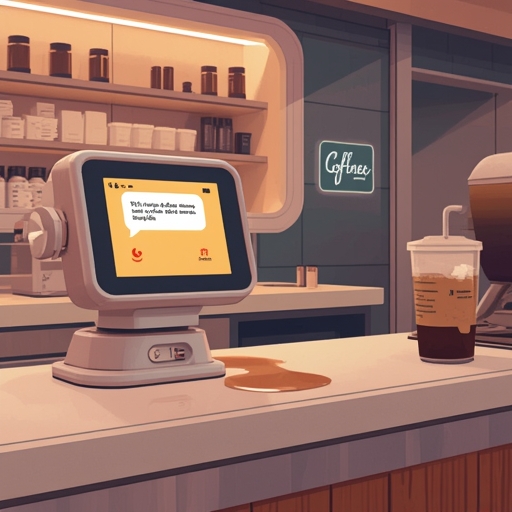
In recent weeks, Starbucks introduced its much-anticipated ChatGPT-powered ordering app, a bold attempt to merge artificial intelligence with the timeless ritual of a morning coffee run. For many tech enthusiasts and loyal coffee drinkers, this launch felt like a glimpse into the caffeinated future—a digital barista capable of understanding nuanced requests, memory of past preferences, and seamless order placement. Yet, when one eager customer put the innovation to the test, the outcome exposed the delicate balance between technological aspiration and human practicality.
The experience began with optimism: a friendly interface, conversational prompts, and the faint allure of convenience. But what was meant to be a swift order of a simple latte quickly descended into a perplexing dialogue between human and machine. The AI struggled to interpret modifiers—was “extra foam” a request for milk froth or an emphatic tone? Did “iced caramel macchiato, light on the ice” translate correctly, or did it produce a lukewarm puddle of caramel-flavored milk? What sounded clear to a seasoned barista became an exercise in linguistic misalignment for the algorithm.
This small mishap, humorous as it may seem, underscores a crucial reality of our AI-infused era: technological sophistication does not always equate to functional precision. Starbucks’ attempt illustrates both the promise and pitfalls of automation in industries shaped by personal service. In theory, ChatGPT’s natural language capabilities should enhance efficiency—streamlining queues, understanding loyalty benefits, even suggesting seasonal pairings. In practice, however, nuances of tone, dialect, and contextual preference still elude machine comprehension.
The result was an experience that blended amusement with frustration. Instead of replacing human warmth, the AI’s missteps reminded users of the empathy and intuition that baristas bring to every interaction—the subtle smile, the memory of a favorite order, the gentle correction when a drink doesn’t turn out right. In the pursuit of innovation, this episode compels us to ask whether digital intelligence can—or should—replicate the human touch that transforms a routine transaction into a small act of connection.
Ultimately, the Starbucks ChatGPT app serves as both a triumph of progress and a cautionary tale. It showcases the breathtaking speed at which AI is integrating into daily life while simultaneously exposing its limitations. As companies continue to weave artificial intelligence into customer experience, the real challenge lies not in perfecting code but in preserving humanity amid automation. For now, perhaps it is comforting to know that, while algorithms learn and adapt, our neighborhood baristas remain the true keepers of our morning calm and perfectly measured cups of coffee.
Sourse: https://www.theverge.com/ai-artificial-intelligence/915821/starbucks-chatgpt-app-testing


