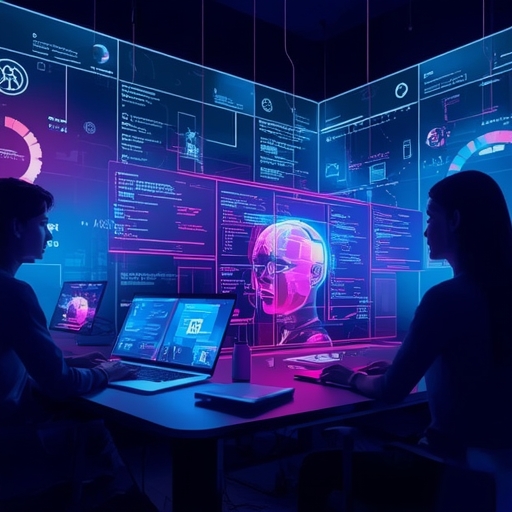
Across the technology industry, artificial intelligence is increasingly perceived as a tool that grants engineers almost superhuman capabilities—yet these newfound powers arrive with an unexpected price. Many developers have begun speaking of what they call the ‘vampiric effect,’ a term that vividly conveys the draining aftermath of AI-driven productivity bursts. In moments of heightened inspiration and machine-assisted efficiency, professionals often feel unstoppable, producing code and creative solutions at an astonishing pace. However, once the surge subsides, what remains is deep fatigue, creative depletion, and a disquieting sense of detachment from one’s own energy reserves.
This phenomenon underscores a crucial paradox at the heart of modern innovation: the same technologies designed to empower us are also accelerating the cycles of burnout that threaten long-term sustainability. Engineers, pushed by generative tools and automated suggestion systems, report alternating between states of intense mental engagement and abrupt exhaustion—akin to energy being drawn faster than it can recover. The metaphor of vampirism is apt; AI ‘feeds’ on human input, creativity, and decision-making, but in doing so, it can leave its human collaborators emotionally and cognitively depleted.
Leaders and individual contributors alike are beginning to question whether the future of engineering culture should prioritize relentless velocity or mindful pacing. The ability to produce rapid, AI-enhanced results might impress in the short term, but sustainable excellence demands a different skill entirely: the discipline to pause, to decline additional work when necessary, and to protect one’s mental equilibrium. In a professional landscape where algorithms never tire and productivity metrics seem endless, perhaps the ultimate expression of wisdom—and power—is learning when to stop.
By reframing ‘rest’ not as an indulgence but as a regenerative practice essential to creative depth and longevity, the industry can evolve beyond its addiction to acceleration. The new frontier of technological mastery may not lie solely in harnessing artificial intelligence for output, but in cultivating human awareness strong enough to withstand its intensity. #AI #TechnologyCulture #WorkSustainability #EngineeringWellness
Sourse: https://www.businessinsider.com/software-engineer-steve-yegge-ai-burnout-2026-2