The global landscape of theme parks is undergoing a remarkable transformation, one that challenges long-standing expectations and redefines the very concept of entertainment on a grand scale. Rather than continuing to expand in sheer size and scope, the new generation of parks is choosing a more intelligent, human-centered approach: they are becoming smaller, more affordable, and considerably more time-efficient. This evolution marks a strategic realignment within the entertainment industry, acknowledging that contemporary audiences increasingly seek premium, meaningful experiences that fit seamlessly into their fast-paced lives without requiring days of costly immersion.
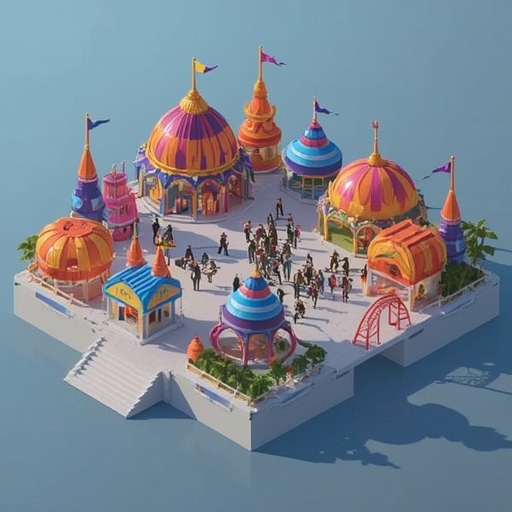
In this renewed vision of fun, the traditional notion of the vast, all-day amusement park gives way to compact environments that still manage to deliver a sense of wonder, excitement, and immersion equivalent to their larger predecessors. By designing spaces that emphasize efficiency, thematic depth, and smart spatial planning, companies can maintain the core magic of adventure while reducing operational complexity. These scaled-down destinations cultivate accessibility — both financial and logistical — enabling families, travelers, and local residents to indulge in high-quality entertainment without the burden of extensive travel, overwhelming crowds, or soaring ticket prices.
From a business perspective, this paradigm shift reflects an astute response to evolving consumer preferences and societal rhythms. Today’s visitors often favor experiences that are effortlessly integrated into shorter leisure windows — a single afternoon or weekend rather than a full vacation commitment. The new model therefore celebrates flexibility, making fun not a rare luxury but an accessible, repeatable pleasure. It demonstrates that innovation in entertainment need not always mean larger, grander, or more extravagant; instead, it can manifest through smarter design, optimized experiences, and a refined understanding of what truly captivates the modern guest.
Ultimately, the rise of compact, affordable, and efficiently planned theme parks signifies more than just an industry trend — it signals a broader cultural transition toward thoughtful entertainment. The future of amusement lies not in endless expansion, but in creating intelligent, purpose-driven experiences that inspire joy, connection, and escapism within a realistic framework of time and cost. As these parks continue to evolve, they are poised to reshape how families and individuals perceive recreation itself: not as an occasional indulgence, but as an accessible, sustainable, and deeply enriching part of everyday life.
Sourse: https://www.wsj.com/business/hospitality/theme-parks-new-strategy-smaller-cheaper-and-shorter-3d392edc?mod=pls_whats_news_us_business_f