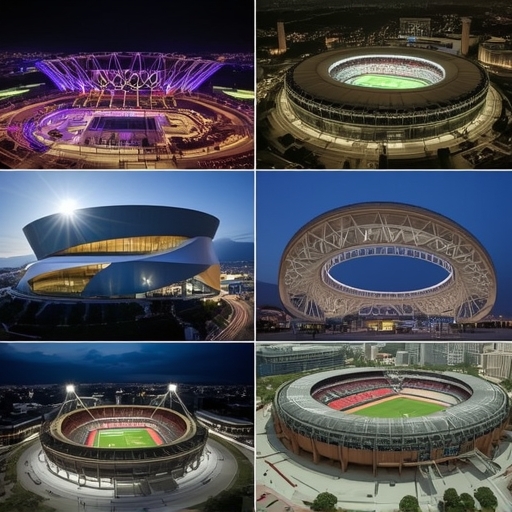
Across the globe, Olympic stadiums have long stood as monumental symbols of human achievement, unity, and cultural expression. Once filled with roaring crowds and the thunderous applause of historic performances, these arenas encapsulated some of the most defining moments in athletic competition. Yet, after the Olympic flame dimmed and the spectators dispersed, many of these architectural marvels entered a new chapter—one that continues to evolve in surprising and inspiring ways.
Over the decades, countless cities have grappled with an important question: how can such massive venues retain purpose and vitality after the Games’ conclusion? Some metropolitan areas have responded with ingenuity, transforming their once-temporary arenas into vibrant hubs that anchor community life. Former Olympic stadiums in places such as London, Sydney, and Barcelona now serve as multipurpose spaces—hosting local sports events, concerts, exhibitions, and festivals. These reinventions demonstrate a graceful balance between preserving heritage and fostering contemporary relevance.
Not every transformation has been seamless. In certain regions, grand arenas have fallen into disuse, their weathered facades telling a quieter story of nostalgia, economic challenge, and urban change. Yet even these dormant spaces contribute to a broader narrative about the impermanence of spectacle and the enduring imprint of global celebration. They stand as reminders of the human capacity both to build ambitiously and to adapt creatively.
From architectural perspectives, the metamorphosis of these sites reveals a push toward sustainability and adaptive reuse. Cities are increasingly repurposing Olympic infrastructures rather than constructing new ones, embracing eco-conscious planning that integrates public transportation, green energy systems, and open communal areas. By reimagining these large-scale structures, urban developers and architects breathe fresh life into aging landmarks, converting them into legacies that extend far beyond the weeks of Olympic glory.
Ultimately, the story of former Olympic stadiums is not merely about bricks, steel, or design—it is about transformation, resilience, and identity. Each reimagined venue represents a bridge between past triumphs and future possibilities, embodying the ever-renewing spirit of the Games themselves. Through both preservation and progress, these stadiums remind us that history, when thoughtfully cared for, does not fade; it evolves, adapting gracefully to serve the generations that follow.
Sourse: https://www.businessinsider.com/what-former-olympic-stadiums-look-like-now