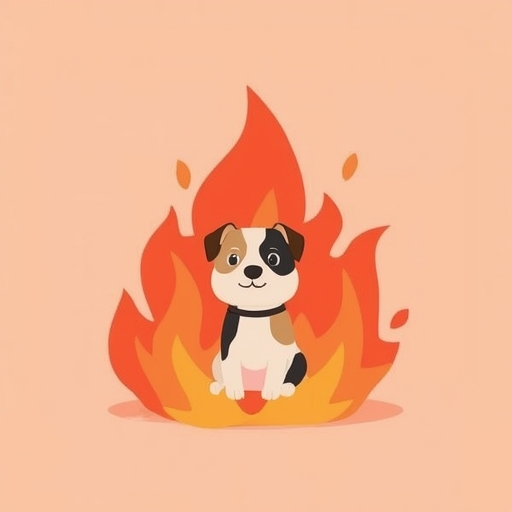
The creator of the world-renowned ‘This is Fine’ meme has publicly accused an artificial intelligence startup of appropriating his artwork without granting him proper credit or obtaining his consent. This incident has reignited a complex and ongoing discussion about the ethical boundaries that should govern creative ownership in the digital era.
As artificial intelligence tools become increasingly sophisticated, the once-distinct line between human inspiration and automated imitation continues to blur. What was once regarded solely as the product of individual imagination can now be digitally replicated, reinterpreted, or even expanded upon by algorithms trained on massive amounts of existing content. This unprecedented capability forces society to examine how we define originality, how we honor creative labor, and where we draw the moral and legal boundaries between homage and exploitation.
The controversy surrounding the meme’s unauthorized use underscores a larger tension at the heart of technological progress: while AI heralds extraordinary possibilities for innovation, it simultaneously raises urgent questions about artistic integrity and the fair recognition of creators. Artists and designers—whose livelihoods depend on authorship and authenticity—are witnessing a transformation of their professions as algorithms increasingly mimic styles, replicate imagery, and even produce works indistinguishable from those made by human hands.
Beyond this single accusation, the situation highlights the pressing need for new frameworks that reconcile creativity with technological growth. Intellectual property rights, copyright protections, and notions of fair use were all established in a pre-AI era, when technological reproduction did not possess the same scale or complexity. Now, these traditional safeguards must evolve to address how machine learning models absorb and reuse existing materials. Without updated guidelines and transparent practices, ethical concerns may continue to proliferate, fostering mistrust between artists, developers, and audiences.
Ultimately, the incident serves as both a cautionary tale and a call for reflection. It reminds us that progress in artificial intelligence must be guided by respect for human creativity—the spark of individuality that gives art its meaning. To preserve a future where technology enhances rather than exploits imagination, society must reaffirm the principle that innovation cannot thrive without integrity, consent, and accountability.
Sourse: https://techcrunch.com/2026/05/03/this-is-fine-creator-says-ai-startup-stole-his-art/


