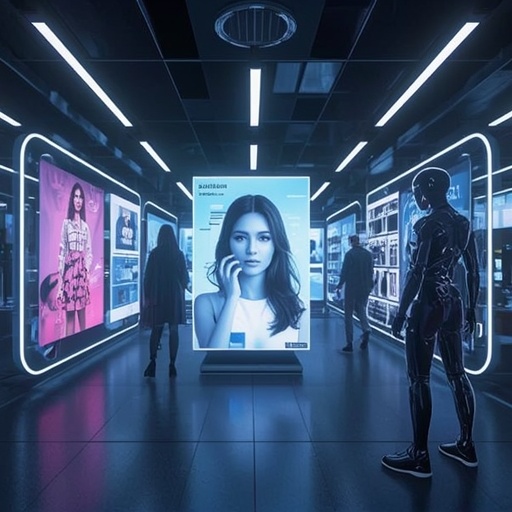
Artificial intelligence is rapidly and dramatically redefining the entire creator economy, causing a paradigm shift that few could have predicted even a few years ago. On platforms like TikTok Shop, many innovative brands are beginning to pivot away from traditional human side hustlers—those ambitious individuals who once filled feeds with product demos and vibrant entrepreneurial energy—and are instead embracing digitally constructed personalities and algorithmically driven demonstrations. These synthetic influencers, built from lines of code and powered by neural networks, can produce content at a scale, speed, and cost efficiency that no human counterpart can readily match.
This evolution marks more than just a technological upgrade; it represents a fundamental transformation in how social commerce functions. Where once product promotions required time-consuming photoshoots, complex collaborations, and unpredictable human schedules, AI now delivers seamless, on-demand creativity. A synthetic character can showcase a product in countless styles or languages, adapt instantly to brand tone, and even analyze audience reactions in real time to refine future content. In effect, the creative process is becoming increasingly automated—coded rather than filmed, generated rather than performed.
For many digital creators, particularly freelancers and part-time influencers, this shift may seem threatening, as the very opportunities that once fueled the side-hustle boom are being algorithmically replaced. Yet, for forward-thinking professionals, it also opens new frontiers—opportunities to design, train, and manage AI-driven personas or collaborate with technology in hybrid creative partnerships. From marketing strategists to brand storytellers, the challenge now is to adapt human creativity to coexist with machine efficiency.
Brands leveraging AI influencers are not merely experimenting with novelty; they are optimizing for scalability and precision in storytelling. These synthetic characters never tire, never deviate from branding guidelines, and can deliver thousands of tailored posts simultaneously across global markets. In doing so, the boundary between reality and digital representation continues to blur. Consumers interact seamlessly with these virtual personalities, often unable—or even unwilling—to distinguish between organic and artificial engagement.
Ultimately, this new wave of coded creators underscores how artificial intelligence is not simply a tool but an active participant in reshaping social commerce. As industries evolve, human creators must decide whether to resist this wave or learn to surf it. The creator economy’s future belongs to those who combine human insight with technological power—making innovation not a replacement for authenticity, but its most advanced form yet.
Sourse: https://www.businessinsider.com/tiktok-shop-creators-brands-using-ai-to-replace-human-slop-2026-7