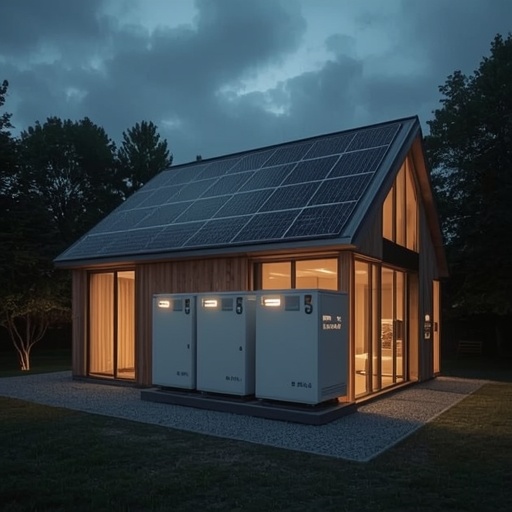
In recent years, energy providers have been steadily introducing time-based or dynamic pricing structures—plans in which the cost of electricity is not fixed but fluctuates depending on the time of day and the overall demand on the grid. This approach, designed to better balance consumption, rewards those who strategically manage their energy use. For many households, this shift may initially appear confusing or even daunting, as energy prices can surge during peak hours and drop significantly during off-peak periods. However, for homeowners equipped with intelligent power management solutions, such as whole-home battery backup systems, this evolution represents an unprecedented opportunity for both savings and autonomy.
A home battery system essentially serves as a personal energy reservoir. During periods when electricity rates are lowest—often at night or when renewable production exceeds consumption—the system stores power efficiently. Later, when energy costs climb during high-demand windows, the homeowner can seamlessly use the stored electricity, thereby avoiding costly rate spikes. In essence, this cycle transforms a standard residence into a miniature power hub that operates independently of market volatility.
Beyond the obvious financial benefits, pairing time-based pricing with a robust home energy storage solution fosters environmental responsibility and resilience. By drawing power at optimal times, households help to reduce stress on the electrical grid, particularly during periods of heavy usage. This contributes to a wider societal goal of decreasing reliance on fossil-fueled peak power plants and promoting the integration of renewable energy sources such as solar and wind. Moreover, in the event of outages or grid instability, these battery systems provide uninterrupted backup power—an invaluable safeguard for modern living.
This combination of adaptable pricing and cutting-edge battery storage technologies encapsulates the future of residential energy management. The model encourages consumers to become active participants in the energy ecosystem rather than passive users, empowering them to dictate when and how they consume electricity. By charging when rates are most advantageous and utilizing stored power strategically, homeowners achieve not only lower bills but also greater control over their environmental impact.
Ultimately, time-based energy rates paired with whole-home battery backups are redefining the concept of smart living. They align convenience with sustainability, transforming ordinary homes into efficient, eco-conscious systems that benefit both the individual and the planet. In this evolving energy landscape, knowledge and technology converge to make cleaner, more affordable power not just a possibility—but a practical reality.
Sourse: https://www.wired.com/story/i-slashed-my-power-bill-in-half-with-a-whole-home-battery/