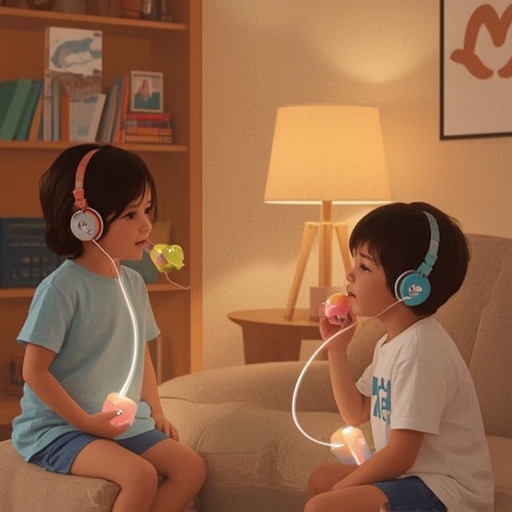
Tin Can, the imaginative technology often dubbed the modern ‘landline for kids,’ witnessed an extraordinary and wholly unexpected surge in popularity during the Christmas holiday. On that single festive day, the platform’s call volume multiplied by nearly one hundred times its ordinary rate, momentarily overwhelming the system that powers this child-centered communication tool. What began as a creative digital alternative to the classic home phone suddenly became a viral phenomenon as children across families and households eagerly reached out to their friends and peers, filling the digital network with excited voices and endless conversations.
The temporary service slowdown that followed the deluge was not a failure, but rather a reflection of the platform’s unique resonance with its audience. Tin Can’s fundamental purpose—to provide a safe, moderated, and imaginative space for children to talk freely with one another—proved to be far more appealing than even its creators anticipated. In an era dominated by complex social media ecosystems and adult-focused communication apps, the simplicity of a tool that mirrors nostalgic landline calls while emphasizing privacy and safety seems to have touched a universal chord.
Behind the scenes, the Tin Can engineering and support teams worked tirelessly to stabilize the infrastructure and restore the service to full operational capacity. Within a short time, they succeeded in doing so, allowing thousands of children to once again experience the wonder of spontaneous, voice-based interaction—a kind of authentic connection that modern digital life too often forgets. The episode stands as a case study in how genuine need can unexpectedly collide with technological limitation, and how dedication, adaptability, and empathy from a team can turn a crisis into a testament of purpose.
This remarkable event underscores several important themes for both parents and technologists. It demonstrates that innovation designed with empathy—focusing on emotional intelligence, accessibility, and safety—can yield extraordinary engagement. It also reminds us that even the youngest generation still longs for meaningful connection, not just through images or text, but through real voices and laughter shared across digital lines. The Tin Can experience, catalyzed by the joyful chaos of Christmas, reveals something profound about human communication: technology might evolve, but our desire for authentic conversation remains timeless.
Now with systems strengthened and lessons learned, Tin Can continues to expand its capacity and refine its user experience. For families exploring balanced digital communication options, the platform’s popularity offers reassurance that wholesome innovation can flourish even in a fast-paced digital age. Above all, this story stands as a warm reminder that connection—between children, families, and communities—remains the heartbeat of all technology worth creating.
Sourse: https://www.businessinsider.com/tin-can-crashed-outage-christmas-kids-parenting-landline-phone-2026-1