As the new season arrives and the days stretch longer, homeowners everywhere are rediscovering their outdoor spaces and seeking ways to elevate them beyond the standard patio setup. This year’s backyard trends, defined by sustainable creativity and refined comfort, are transforming how we think about open-air living. Designers, landscapers, and gardeners collectively point to a shift away from purely aesthetic decorating and toward more intentional and environmentally considerate design choices.
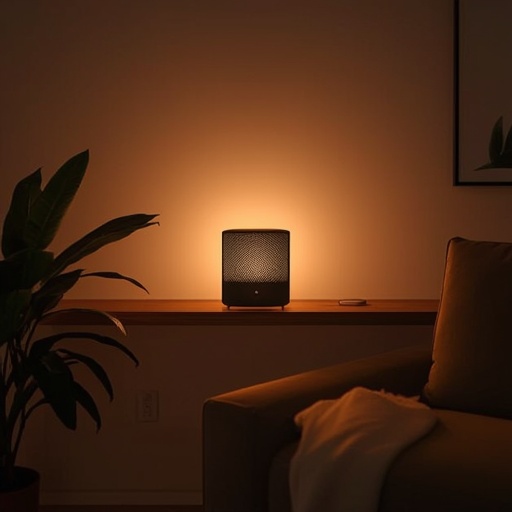
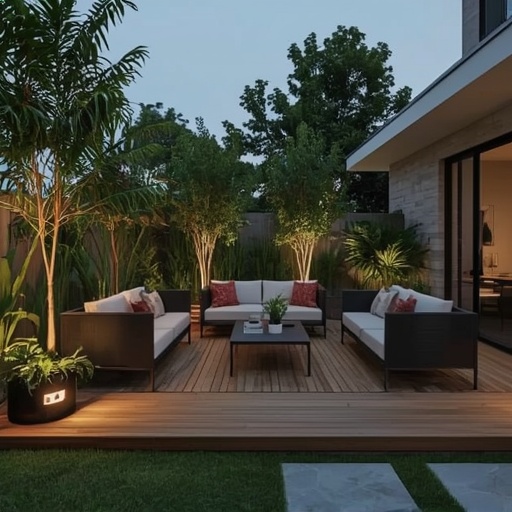
The strongest direction in backyard design emphasizes sustainability and functionality. Natural textures—such as untreated wood, raw stone, and woven fibers—dominate the scene, bringing authenticity and warmth to patios and gardens. Eco-friendly lighting solutions, including solar-powered fixtures and low-energy LED systems, allow for extended evening enjoyment without increasing environmental impact. Homeowners are leaning into soft, ambient illumination that enhances both visual and emotional comfort, creating a gentle glow rather than a harsh spotlight effect.
Another major movement gaining momentum is modularity and multifunctionality in outdoor furniture. Instead of bulky, single-purpose pieces, modular seating encourages flexibility, allowing arrangements to shift from intimate gatherings to larger social layouts effortlessly. This adaptability meets the growing desire for spaces that support both relaxation and entertainment. Think sectional lounges that contour around a fire pit or adjustable tables that transition from coffee-style mornings to lively evening dinners. The goal is to maximize usability without cluttering the environment.
At the same time, greenery continues to play a central aesthetic and ecological role. Bold plant choices—layered foliage, ornamental grasses, and local flora—signal a rise in natural expressionism. Landscapers note that homeowners are steering away from manicured symmetry and embracing organic arrangements that mimic wild meadows or forest-inspired ecosystems. This approach not only adds lush depth and texture but also promotes biodiversity by attracting pollinators like bees and butterflies.
Conversely, several outdated trends are quietly fading. Overly curated spaces, excessive ornamentation, and artificial turf are slowly disappearing from contemporary designs. Homeowners are recognizing that authenticity and sustainability carry more long-term appeal than polished perfection. Synthetics, bright plastics, and labor-intensive decorative themes—once staples of backyard showpieces—are being replaced with honest materials that age gracefully and require less maintenance. Minimalism, rather than maximalism, defines the modern outdoor experience.
Lighting also illustrates this shift toward understated sophistication. Harsh floodlights and uniform brightness no longer appeal to those seeking atmosphere. Subtle layering, path lights, and lantern-style fixtures now frame the environment with serenity. The result is a space that invites conversation and reflection rather than overwhelming with glare. Designers emphasize that the most successful backyards mirror the rhythms of nature—comfortable, balanced, and timeless.
Ultimately, this year’s backyard trends merge environmental mindfulness with aesthetic luxury. The modern outdoor sanctuary is not simply a visual extension of the home but a living ecosystem that supports wellbeing and sustainability. By choosing organic materials, flexible forms, and warm illumination, homeowners create havens that evolve naturally with the seasons. The shift away from excess toward grounded elegance marks a mature stage in outdoor living—one that values harmony, authenticity, and thoughtful design above all else.
Sourse: https://www.businessinsider.com/backyard-trends-popular-out-of-style-designers-gardeners-landscapers-2026-6