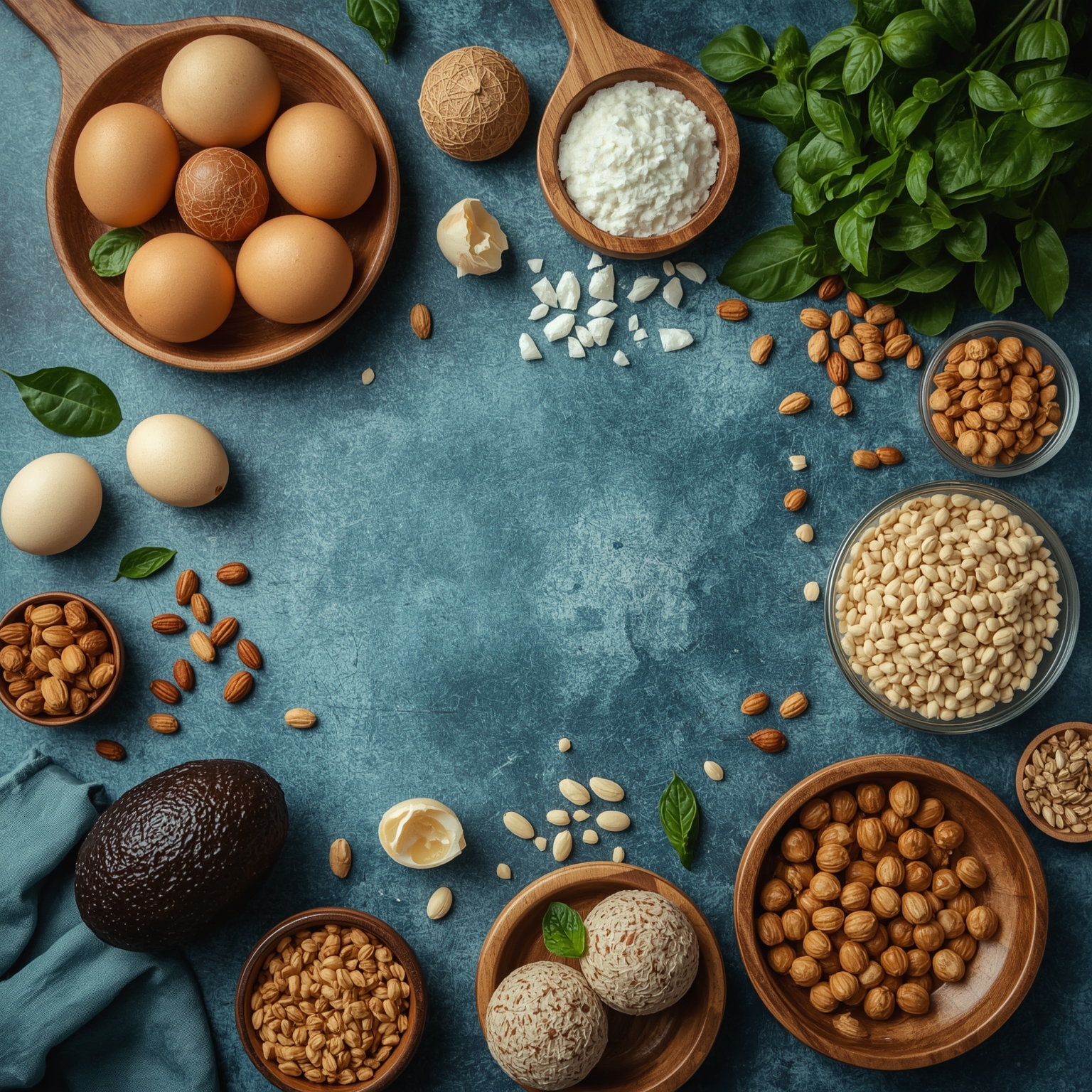
The journey to building muscle extends far beyond the walls of the gym. While consistent resistance training and adherence to a well-designed workout plan are undeniably critical, these physical efforts must be supported by equally deliberate choices in nutrition. What you consume after your training sessions—both the foods you choose and those you avoid—has a profound impact on the effectiveness of your efforts. Muscles require appropriate nourishment to repair the microscopic damage incurred during exercise and to grow back stronger and more resilient. Neglecting proper post-workout meals or selecting nutritionally unbalanced options can sabotage progress, even among the most disciplined athletes. No matter how rigorously you maintain your regimen, inadequate fueling can keep you from realizing your fullest potential.
Nutrition, therefore, stands on equal footing with exercise in the pursuit of muscular development. A thoughtfully balanced diet, particularly one rich in premium-quality protein sources, furnishes the amino acids essential for muscle fiber repair and synthesis after every workout. Foods dense in these nutrients not only accelerate recovery but also enhance your ability to train with greater intensity and endurance—allowing measurable results to appear more rapidly. Some may worry that maintaining a protein-rich, nutrient-dense diet will inevitably be costly, especially in times of rising living expenses. However, high-quality nutrition can be achieved affordably. In fact, a recent CNET survey revealed that 93% of Americans express anxiety about inflation, yet numerous accessible options remain available. Community discussions, such as a popular Reddit thread, highlight inexpensive staples—like Greek yogurt, sardines, and whole grains—that deliver impressive amounts of quality protein without straining your budget.
If your objective is to make meaningful strength and size gains, your dietary habits deserve the same careful attention you dedicate to your workouts. To support this effort, we have curated a list of eight nutrient-packed foods that can play a vital role in encouraging muscle growth while maintaining optimal performance. Nevertheless, prior to implementing any significant dietary modifications, it is always advisable to consult with a doctor or registered nutritionist to ensure that your plan aligns with your individual health needs.
Why nutrition lies at the heart of muscle building cannot be overstated. Although protein forms the foundation of muscle synthesis, it represents only one part of a more complex nutritional equation. The National Academy of Sports Medicine emphasizes that a well-composed diet for muscle growth must also supply ample carbohydrates, along with essential vitamins and minerals. Each of these components performs a distinct role in providing the substrate and energy required for muscle tissue to repair and regenerate following physical exertion. According to NASM guidance, most individuals should aim to consume approximately 0.7 to 0.8 grams of high-quality protein per pound of body weight daily, paired with around 1.8 to 3.2 grams of carbohydrates for every pound of body weight. Furthermore, maintaining an adequate overall caloric intake is equally critical: muscle gain becomes nearly impossible if caloric expenditure routinely exceeds consumption.
Yet, food alone cannot initiate the process of building new muscle tissue. Exercise—especially resistance-based movements such as weightlifting—serves as the biological trigger for muscle adaptation. The act of straining muscle fibers during training causes microscopic tears that prompt the body to begin a cycle of repair and reinforcement. During this phase, nutrients from your diet function as the essential building blocks for stronger, denser muscle fibers. The ultimate effectiveness of this regenerative process depends on several factors, including meal timing, sufficient rest and recovery between sessions, and even individual variations in hormonal balance and genetic predisposition.
When considering what to eat, certain foods have proven to be particularly effective in promoting muscular development. Below are eight excellent choices that can complement your fitness routine and help you achieve tangible results more efficiently.
1. Eggs — A timeless staple of athletic nutrition, eggs have earned their reputation as a genuine power food. They are densely packed with essential nutrients, offering a near-perfect combination of protein, healthy fats, and an array of vitamins such as B12, B6, and thiamine. What makes eggs particularly valuable for those pursuing muscle growth is their rich concentration of leucine, an amino acid known to be especially potent in stimulating muscle protein synthesis. Including eggs in your diet can therefore significantly aid recovery and strength gains.
2. Fish — For those seeking a lean and highly bioavailable source of protein, fish is an exceptional option. It delivers a plentiful supply of complete protein while remaining low in saturated fat. Beyond its protein content, fish provides omega-3 fatty acids, which have gained recognition for supporting cardiovascular health, improving muscle function, and mitigating the gradual loss of lean muscle mass over time. Salmon and tuna, in particular, stand out as exemplary choices for anyone focused on building strength and endurance.
3. Nuts — When consumed mindfully, nuts contribute a balanced mix of macronutrients—offering protein for muscle repair, healthy fats for sustained energy, and fiber for digestive support. However, because they are calorie-dense, portion control is essential to reap their benefits without excess. Among the variety available, almonds and walnuts rank high in nutritional value, making them excellent companions to a structured muscle-building diet.
4. Soybeans — For individuals following plant-based or meat-free diets, soybeans are an invaluable ally in the quest for muscle development. As one of nature’s few complete plant proteins, they contain all nine essential amino acids necessary for human metabolism. In addition to supporting muscular recovery and repair, soybeans deliver a wide spectrum of vitamins, minerals, and healthy fats. Their versatility also makes them easy to incorporate into many meals, from tofu to edamame.
5. Greek Yogurt — Dairy proteins are uniquely effective because they blend fast-digesting whey and slow-digesting casein, providing a sustained release of amino acids crucial for prolonged muscle protein synthesis. Greek yogurt, in particular, is a superior choice because it contains significantly more protein per serving than conventional yogurt. Moreover, it provides beneficial probiotics that support digestive health while simultaneously aiding nutrient absorption—an often-overlooked aspect of physical performance and recovery.
6. Cottage Cheese — Although it lacks the same probiotic advantages found in yogurt, cottage cheese compensates with its higher protein content and a similar combination of whey and casein proteins. It is also rich in casein, which offers a slow and steady amino acid release ideal for overnight recovery. For athletes who need to maintain or increase caloric intake, cottage cheese provides an efficient and nutrient-rich option.
7. Olive Oil — At first glance, olive oil may not appear to be a traditional muscle-building food, yet it has emerged as a surprising ally in recent years. Extra virgin olive oil is abundant in monounsaturated fats that not only promote cardiovascular health but also possess anti-inflammatory properties. These attributes help reduce oxidative stress, prevent muscle degradation, and ultimately support a more efficient recovery process. Integrating this healthy fat source into daily meals can therefore strengthen overall metabolic and muscular resilience.
8. Quinoa — Widely celebrated as a superfood, quinoa is technically a seed but often classified as a whole grain due to its nutrient composition. It offers an exceptional balance of macronutrients, providing notable amounts of protein, complex carbohydrates, and fiber alongside key vitamins and minerals. Because it supplies steady energy while assisting in muscle repair, quinoa can complete and enhance a performance-focused diet.
Incorporating these foods into your daily routine can have a substantial cumulative impact on muscle growth and overall strength. Nevertheless, it is important to remember that meaningful progress requires patience and consistency. Building muscle is a gradual endeavor that depends on the interplay of nutrition, physical training, and adequate rest. Lean proteins such as chicken, fish, and eggs are among the fastest-acting sources of nourishment for muscle development, while dairy options like Greek yogurt and cottage cheese can provide an additional boost in both protein quality and recovery potential. Even carbohydrate-rich foods, including rice, play a valuable supportive role by replenishing glycogen stores, ensuring that your muscles remain energized and primed for future workouts. Ultimately, a balanced diet combined with disciplined exercise and recovery habits provides the foundation not only for a stronger physique but also for enduring health and vitality.
Sourse: https://www.cnet.com/health/nutrition/8-best-foods-to-build-muscle-fast/#ftag=CAD590a51e


