Business Insider recently conducted insightful interviews with professional stylists to uncover which footwear trends are currently defining the season and which longstanding styles are gradually fading from prominence. Their analysis reveals a dynamic shift within the fashion landscape — one that reflects broader movements toward minimalism, practicality, and subtle sophistication. While certain designs such as boat shoes, refined low-profile sneakers, and robust lug-sole boots are experiencing renewed attention, others — including heavily branded, pointy-toed, or overly distressed footwear — are receding into the background.
Even though shoes are often the final element one adds before stepping out the door, fashion experts emphasize that they wield an outsized influence over the overall impression of an outfit. A thoughtfully selected pair can instantly anchor a look, transforming it from outdated to contemporary. As styles evolve through changes in materials, silhouettes, and textures, revisiting the contents of one’s wardrobe becomes essential to ensure alignment with current aesthetics.
Among the most notable comebacks is the revival of classic boat shoes. According to stylist and creative director Kendra Sharpe, this design — long associated with effortless coastal fashion — is once again captivating attention. Boat shoes carry a sense of nostalgia and charm; they are accessible through both vintage shops and modern iterations, embodying comfort and casual elegance. Designers are now reimagining the traditional silhouette by integrating updated shapes, unexpected color palettes, and refined details that both honor the original and modernize it for contemporary use.
Low-profile sneakers have also emerged as a major influence in the footwear scene. Patrick Kenger, founder of the image-consulting firm Pivot, notes that slim, retro-inspired running sneakers are dominating this season’s casual wear. Their lean designs with thin soles and understated uppers create a polished, versatile aesthetic that pairs well with the ongoing minimalist movement. Favoring articulations in monochrome colors — particularly tones of white, black, or gray — allows these sneakers to complement a variety of outfit combinations without overwhelming the overall look, reinforcing a restrained yet fashion-forward sensibility.
Meanwhile, lug-sole and chunky Chelsea boots maintain their popularity, especially as temperatures drop. Kenger points out that these sturdy footwear styles not only provide practical insulation and stability during winter but also harmonize perfectly with today’s wide- and straight-legged trousers. The substantial sole offers a grounding effect, balancing the proportions of roomier garments and delivering a cohesive silhouette that merges form and functionality effortlessly.
Slip-on footwear continues to rise in prominence as well. Both Sharpe and Kenger have noticed a proliferation of mules and clogs on city streets, illustrating their increasing role as transitional staples suited to both casual and elevated attire. Whether in the form of sleek backless loafers or plush suede clogs, these designs present a seamless blend of ease and refinement. They transcend traditional gender boundaries and adapt fluidly to varying outfit styles — from tailored trousers to everyday denim — while neutral hues underscore their adaptability across occasion and season.
An additional category making unexpected strides off hiking trails and into urban settings is the hiking sneaker. Sharpe observes that consumers are gravitating toward this trend as it merges function with fashion. Crafted with bungee laces, technical materials, and design cues borrowed from outdoor sportswear, these shoes embody durability and comfort while simultaneously embracing a modern streetwear appeal. Once perceived solely as utilitarian gear, they are now integrated into casual wardrobes with surprising versatility, pairing extraordinarily well with leggings, loose-fit trousers, or even dresses for a look that merges confidence with comfort.
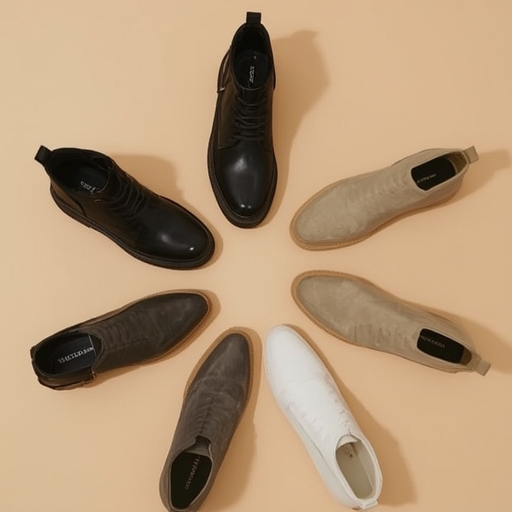
Concurrently, the glossy and rigid leather finishes that once dominated formal footwear collections are giving way to softer, more tactile materials. Kenger highlights the pivot toward suede loafers and muted color schemes — ranging from taupe to gentle gray — which now epitomize understated luxury. These subtle finishes project quiet confidence and align with the broader movement favoring organic textures and gentle structure over sharp gloss and overt shine.
Where fashion formerly embraced deliberately scuffed or distressed sneakers as emblems of effortlessness, this aesthetic has lost much of its allure. Both stylists agree that the heavily worn, gritty look no longer resonates with contemporary sensibilities. Even when designers draw from vintage influences, the preference now leans toward well-maintained footwear that preserves a sense of polish and intentionality rather than suggesting neglect.
Similarly, footwear featuring severe, pointed toes is waning in popularity. According to Kenger, footwear with narrow or sharply defined tips — particularly in loafers and flat shoes — feels overly formal and misaligned with today’s move toward relaxed, approachable dressing. Rounded toes and softer constructions instead dominate modern collections, promoting a sense of comfort and organic ease that mirrors the mood of the current era.
Finally, logo-dominated shoes — once prized as unmistakable markers of brand affiliation — are slowly retreating as this era’s fashion narrative gravitates toward ‘quiet luxury.’ As Kenger explains, metallic finishes, oversized emblems, and other excessively conspicuous branding elements are fading from prominence. In their place, subtle elegance and minimalist detailing communicate refinement without overt self-promotion. Clean lines, premium materials, and careful craftsmanship have become the subtle indicators of good taste, redefining what it means to make a fashion statement in the modern age.
Together, these evolving trends signal a cultural moment in footwear defined by discretion, practicality, and considered design — priorities that align style not with spectacle but with authenticity and longevity.
Sourse: https://www.businessinsider.com/popular-shoe-trends-shoes-going-out-of-style-winter-2025