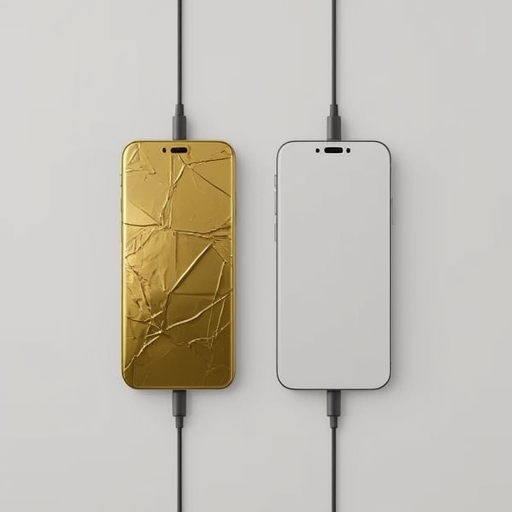
At first glance, the newly unveiled ‘Trump Mobile’ appears to be a gleaming, innovative entrant into the telecommunications marketplace, wrapped in gold branding and bolstered by an unmistakable aura of presidential marketing bravado. However, beneath that glossy surface and populist appeal lies a story far less novel and considerably more intricate. Our deeper analysis reveals that what many are celebrating as a fresh and disruptive telecom venture is, in fact, a repackaged version of a long‑standing budget carrier quietly operating behind the scenes.
This revelation transforms what initially seemed like an entrepreneurial breakthrough into a case study in rebranding strategy and corporate opacity. The polished logo, the patriotic color palette, and the high‑energy marketing all serve primarily to obscure the underlying architecture of a network that has existed for years. The apparent novelty therefore becomes an exercise in presentation—an experiment in how far charisma and aesthetic overhaul can carry a conventional service into the spotlight.
Tracing the lineage of the enterprise uncovers a series of corporate connections that lead directly back to a modest telecommunications provider specializing in low‑cost, prepaid mobile services. Rather than building an entirely new technological backbone, the team behind this golden new identity has simply layered a fresh marketing skin over an established infrastructure. Such maneuvers are hardly unprecedented in the business world: rebranding allows companies to attract new demographics, re‑energize waning market interest, or align themselves with influential cultural figures. Yet, in this instance, the dramatic contrast between the opulent name and the modest technological base underscores the tension between image and substance in today’s hyper‑commodified tech landscape.
From a strategic standpoint, the move invites both fascination and skepticism. On one hand, the ability to capture mass attention through branding alone demonstrates the continuing power of perception over product. On the other hand, it raises unavoidable questions about transparency and authenticity—values increasingly championed by consumers who demand to know not only what they are buying, but also who truly stands behind it. The blending of political celebrity with corporate marketing further complicates the public’s ability to distinguish between genuine innovation and recycled enterprise.
Ultimately, the ‘Trump Mobile’ phenomenon encapsulates a broader narrative about the intersection of marketing theatrics, established industry frameworks, and the consumer’s appetite for spectacle. The gilded wrapping may attract initial enthusiasm, but informed audiences are beginning to recognize the craftsmanship of the illusion: a bright new façade masking a familiar, time‑tested network. In revealing the connections between brand imagery and operational reality, this examination not only demystifies a single product but also invites reflection on how modern branding repeatedly repurposes the old to appear irresistibly new.
Sourse: https://www.theverge.com/tech/882064/trump-mobile-liberty-mobile-wireless-mvno