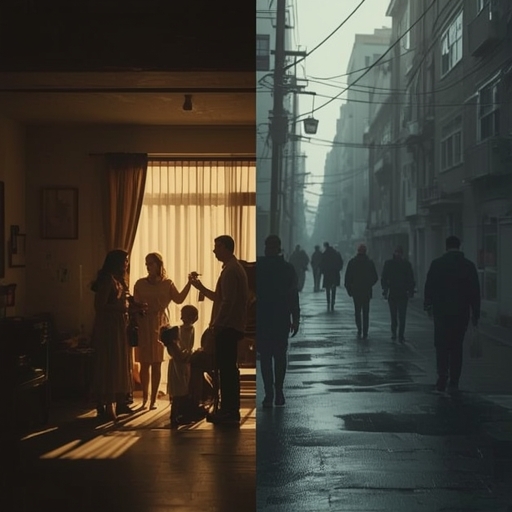
On a single, unforgettable day, I found myself standing at the crossroads of serenity and chaos — two contrasting realities that unfolded almost simultaneously before my eyes. In one moment, I was paying tribute to a life that had reached its gentle conclusion: a soul that departed peacefully, surrounded by quiet affection and the comforting rhythm of farewell. The atmosphere was imbued with calm, a sense of closure that revealed the beauty of an existence well-lived. Every word spoken, every tear shed, carried the tender weight of acceptance and gratitude, as though nature itself had conspired to remind us that endings could be redemptive, even luminous.
Yet as the day progressed, the fragile stillness of that mourning was shattered by the jarring news of another death — one that arrived not softly but with violence, urgency, and despair. Where the first life had dissolved like twilight into night, the second was torn apart abruptly, leaving behind echoes of fear, confusion, and outrage. It was not a peaceful surrender to time but a collapse forced by circumstance, by inequity, by a world too indifferent to protect its most vulnerable. The contrast was unbearable: one death dignified by privilege and stability; the other stripped of both, consigned to chaos and anonymity.
In witnessing these two departures, I could not help but confront the uncomfortable truth about the human condition — that the way we leave this world often depends less on who we are than on where we stand within it. One life was mourned with ceremony, comfort, and remembrance; the other, transient and unjustly silenced, barely found acknowledgment beyond the flicker of headlines and whispers among strangers. Between them lay the vast gulf of circumstance — the invisible architecture of privilege that determines whose stories are preserved and whose are forgotten.
As I moved through those hours, oscillating between stillness and shock, I realized that peace and violence, though seemingly opposites, are bound together in the same human narrative. They are not opposing forces so much as different lenses through which we perceive the complexity of existence. To honor one without recognizing the other is to turn away from truth itself.
That day became more than a juxtaposition; it became a mirror. In it, I saw reflected not only the fragility of life but also the inequities that shape our passage through it. The coexistence of a tranquil farewell and a desperate demise exposed the moral dissonance of our collective experience — the tendency to romanticize some stories while allowing others to fade into silence. Perhaps the most profound act of witness is to hold both in view, to grieve for the peaceful and the violent simultaneously, and to ask what it means that both can exist within the same breath.
In the end, that day reminded me that every story, no matter how it concludes, demands recognition. Between serenity and chaos lies the essence of humanity — our shared need to be seen, remembered, and mourned, not according to privilege, but according to the simple truth that we all, ultimately, depart from the same fragile world.
Sourse: https://www.theverge.com/policy/868567/alex-pretti-minneapolis-childhood-friend