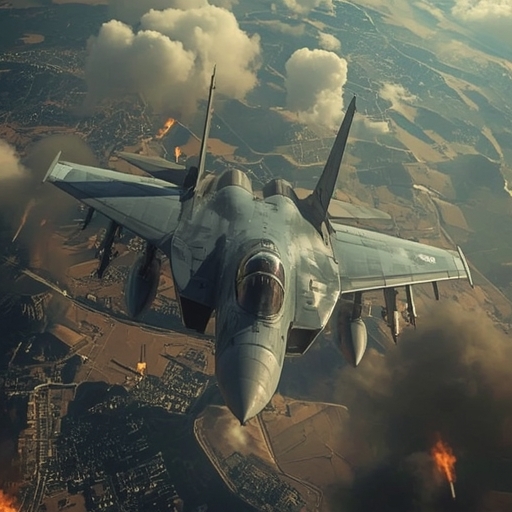
In a remarkable testament to human adaptability and tactical ingenuity, a Ukrainian F-16 pilot has fundamentally transformed conventional NATO aerial combat procedures, proving that modern warfare requires not only technological edge but also intellectual agility. According to recent reports, the pilot quickly realized that the existing NATO doctrines—designed primarily for large-scale, structured, and predictable air engagements—did not fully correspond to the highly dynamic and hybrid nature of today’s battles over Ukraine. The necessity to reinterpret and refine these tactics arose from the unique challenges presented by continuous electronic warfare, short-distance missile threats, and the unpredictable behavior of advanced adversary systems.
This evolution in approach underscores the profound intersection between experience and innovation, where necessity becomes a catalyst for progress. Traditional NATO frameworks were constructed during periods emphasizing cooperation, coordination, and long-term strategic exercises. However, in Ukraine’s ongoing defensive operations, the pace of change, the volatility of airspace conditions, and the multiplicity of modern threats have forced even the most seasoned pilots to think and act beyond established guidelines. The Ukrainian pilot’s decision to rewrite these aerial strategies was not an act of defiance but one of realism—a recognition that survival and mission success now depend on the ability to adapt instantaneously to shifting tactical variables.
The recalibrated methods, reportedly combining precision maneuvers with advanced improvisational tactics, are indicative of a larger transformation within the realm of air defense and offense alike. They reflect how theoretical learnings must be fused with the kind of situational wisdom only forged under the pressures of active conflict. For instance, whereas NATO pilot training often assumes coordinated operations supported by comprehensive satellite intelligence, Ukrainian aviators frequently face conditions of partial electronic blindness, demanding quicker reaction times and more autonomous decision-making. Under such constraints, the F-16 becomes not merely a machine of flight but a highly adaptive platform, representing the fusion of Western technology and local tactical evolution.
Strategically, this development signals a broader lesson to global military thinkers: adaptability, courage, and innovation are the true currency of modern warfare. The pilot’s story exemplifies how theoretical doctrines must evolve in the face of real-world contingencies, and how the collaboration between allied frameworks and battlefield realities can give rise to groundbreaking approaches. In rewriting the very procedures meant to guide him, this Ukrainian pilot has effectively authored a new chapter in the ongoing dialogue between training and experience, between the codified and the improvised.
The broader implication goes far beyond one individual or one aircraft type. It highlights a reassessment of how future wars may be fought—not merely through superior firepower or advanced engineering, but through the willingness of individuals to think critically, act decisively, and redefine established norms under extreme pressure. Through his actions, this pilot has become an emblem of modern defense innovation: a living example that in the rapidly changing skies of contemporary warfare, true mastery lies in learning, adapting, and leading from the cockpit.
Sourse: https://www.businessinsider.com/ukraine-f16-pilot-different-type-war-nato-training-encountered-reality-2026-1