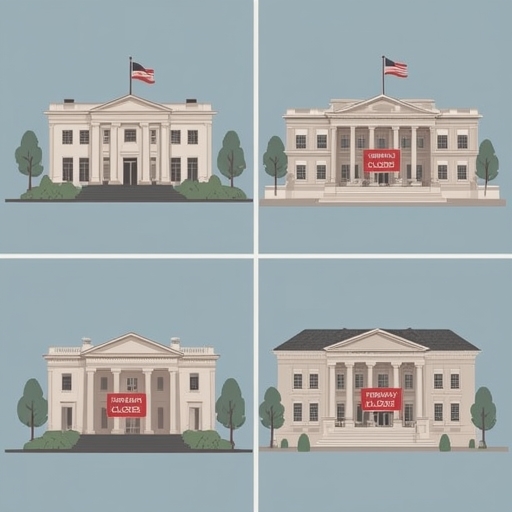
In recent weeks, a noticeable pattern of temporary closures has emerged across numerous Social Security offices throughout the United States. These interruptions in public service delivery have primarily stemmed from two interwoven causes: an ongoing shortage of available staff and challenges related to aging or inadequate facility infrastructure. Together, these factors have created substantial obstacles for both employees striving to maintain consistent operations and individuals depending on Social Security services for essential assistance.
To fully understand the significance of these disruptions, it is important to consider how they reveal deeper systemic concerns within the federal service network. The issue of staffing shortages, for instance, does not arise in isolation. It reflects a broader struggle faced by government agencies nationwide to recruit, train, and retain a qualified workforce capable of meeting the increasing demands imposed by an aging population and expanding service responsibilities. Over time, positions left unfilled create a ripple effect: employees who remain are tasked with heavier workloads, offices experience operational strain, and service efficiency declines. Eventually, this imbalance necessitates temporary closures, as there are simply not enough personnel on site to sustain normal operations while ensuring safety and compliance standards.
Simultaneously, the physical condition of many Social Security Administration facilities compounds the problem. Several offices operate in buildings that are decades old, often requiring critical repairs, modernization of systems, or compliance upgrades for accessibility and health standards. When these facilities encounter maintenance issues—from broken HVAC systems to structural concerns—they may be forced to close temporarily until those conditions are corrected. Such closures, while disruptive, are often essential to ensure a safe environment for the public and federal employees alike.
The combined effect of limited staffing and infrastructure vulnerabilities presents major challenges for communities that depend on timely access to Social Security benefits, disability claims, and related services. Individuals with limited digital access or mobility constraints may be disproportionately affected, as physical office visits remain a critical means of communication for many beneficiaries. The closures therefore serve as a reminder of the pressing need to modernize and strengthen public service infrastructure, not only through facility investment but also through renewed commitment to workforce resilience and long-term recruitment strategies.
For residents seeking guidance, it is advisable to monitor official announcements and check the operational status of local Social Security offices before visiting in person. Many services can still be accessed online or through alternative assistance channels. Exercising patience and awareness during these periods of transition helps maintain a spirit of mutual support as agencies work diligently to restore full service capacity. In essence, these temporary closures underscore the importance of sustained investment in the systems that underpin community well-being and the smooth functioning of essential public programs.
Sourse: https://www.businessinsider.com/why-social-security-offices-temporarily-closed-across-us-2026-4


