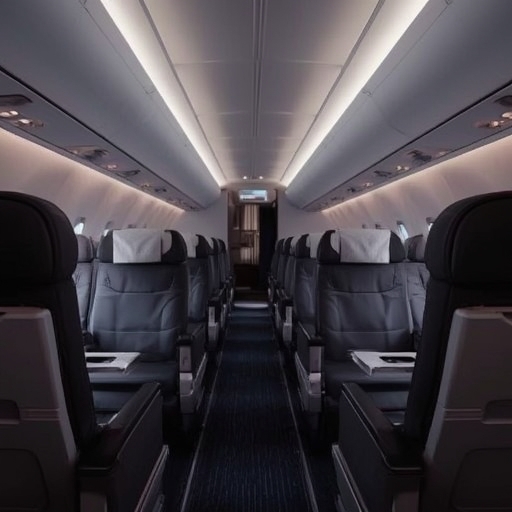
United Airlines has recently unveiled an innovative fare category called ‘Basic Business Class’, marking a significant transformation in the landscape of premium air travel. This new concept seeks to redefine how travelers experience luxury and comfort while aligning with contemporary expectations of flexibility and affordability. Instead of adhering to the traditional all-inclusive business class model—where amenities such as priority boarding, lounge access, and seat selection are automatically bundled into the ticket price—United’s reimagined approach allows passengers to personalize their experience by choosing which benefits they actually value. In other words, this fare empowers travelers to pay for what truly enhances their journey, while excluding secondary luxuries that may remain unused.
The introduction of Basic Business Class reflects the airline’s broader strategy of adapting to shifting market dynamics and changing consumer behavior. Many business and leisure travelers alike are now seeking greater cost efficiency without sacrificing essential comfort. United’s initiative responds to this demand by offering the elegance, spacious seating, and attentive service of business class at a more accessible price point. For professionals managing corporate budgets or customers desiring comfort over extravagance, this model bridges the gap between economy and full business class, offering a balanced compromise between indulgence and value.
Importantly, this development also illustrates a growing trend in the airline industry toward dynamic and modular pricing structures. Much like the earlier introduction of ‘Basic Economy’ fares, which reshaped expectations for budget-conscious travelers, ‘Basic Business Class’ introduces flexibility into the premium segment. Passengers can deliberately decline certain non-essential benefits—such as access to exclusive lounges or complimentary seat assignments—thereby customizing their travel experience to suit personal or financial preferences. This reflects a more customer-centric philosophy, one in which premium travel is no longer defined solely by opulence but by the intelligent alignment of service, comfort, and price.
Ultimately, United Airlines’ decision to implement this new fare class signals both innovation and adaptability. It demonstrates the carrier’s willingness to challenge conventional boundaries of business travel and to cater to a new generation of flyers who value transparency, personalization, and control over cost. Whether this move will inspire rivals to adopt similar strategies remains to be seen, but one thing is evident: United’s ‘Basic Business Class’ redefines what it means to fly in style, proving that luxury need not be excessive to feel exceptional.
Sourse: https://www.businessinsider.com/heres-how-uniteds-new-basic-business-class-will-work-2026-4