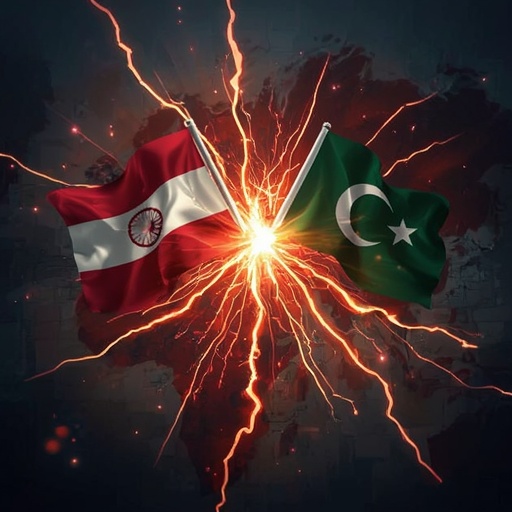
Mounting strains between the United States and Iran have once again drawn global attention, as the fragile equilibrium achieved through a previously negotiated ceasefire begins to waver under mounting political and strategic pressures. This renewed surge in tension, fueled by a complex interplay of defense posturing, regional security concerns, and divergent diplomatic objectives, has reignited apprehension among international observers who recognize the far-reaching consequences such developments could pose not only for both nations but also for global stability at large.
Financial markets, often serving as early barometers of global sentiment, are responding with heightened sensitivity to these unfolding events. Investors and economic analysts are closely monitoring potential disruptions to energy supply chains, fluctuations in oil prices, and the broader implications for trade networks that rely heavily on stability within the Middle East. As this situation continues to evolve, the uncertainty has prompted governments, multinational corporations, and policy think tanks to reevaluate their strategic outlooks, factoring in the growing unpredictability of cross-border relations.
Policy experts emphasize that understanding the intricate layers of this renewed friction is essential for anticipating both immediate and long-term outcomes. They point out that even a seemingly contained escalation could ripple outward, influencing diplomatic negotiations, defense alliances, and economic partnerships across continents. These experts further underline that the global community must remain vigilant, as the delicate balance between deterrence and diplomacy now hangs in precarious equilibrium.
Simultaneously, the discourse surrounding this intensifying US–Iran dynamic transcends mere political posturing; it reflects a broader concern about the fragility of modern peace agreements and their dependence on consistent trust-building efforts. The world, having witnessed similar episodes in prior decades, understands that any miscalculation—whether through rhetoric or action—could rapidly destabilize an already volatile region. In this context, renewed emphasis on negotiation, restraint, and multilateral dialogue appears not only prudent but indispensable for safeguarding international peace and economic resilience.
Amid this uncertainty, global analysts warn that the coming weeks may determine whether this confrontation escalates into a deeper crisis or redirects toward cautious détente. For leaders, businesses, and global citizens alike, comprehension of these evolving dynamics remains critical in navigating an era in which geopolitical developments can shift economic conditions, security priorities, and international cooperation almost overnight.
Sourse: https://www.bloomberg.com/news/videos/2026-06-11/stanford-s-chen-on-us-iran-tensions-video