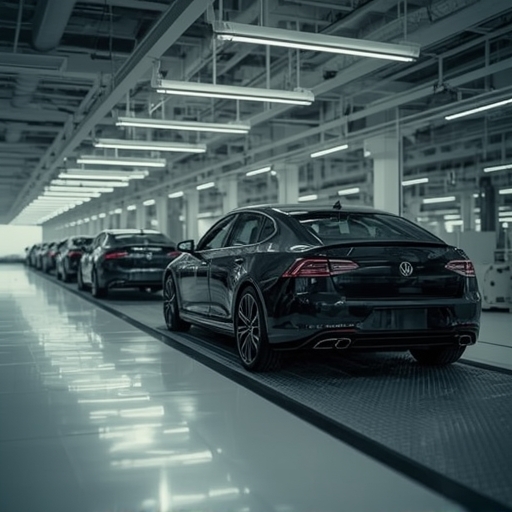
Volkswagen has formally declared an unexpected halt to the production of its electric vehicles within the United States, a decision driven by the company’s assessment that the domestic market for electric cars remains highly volatile and insufficiently predictable. This suspension effectively represents more than just a temporary adjustment in strategy—it signals a cautious reevaluation of the brand’s long-term commitment to EV expansion in a region characterized by fluctuating consumer sentiment, uneven infrastructure readiness, and evolving governmental incentives.
By confirming that no new Volkswagen electric models will be introduced into American showrooms for the 2026 model year, the automaker has drawn attention to a broader uncertainty permeating the electric vehicle industry as a whole. Factors such as inconsistent demand growth, hesitancy among consumers over price and charging accessibility, and the rapidly changing landscape of environmental regulations have created conditions that even major global manufacturers find difficult to navigate confidently. Rather than risk overproduction or costly market misalignment, Volkswagen has opted to pause, observe, and recalibrate its strategy in light of these complex realities.
This development underscores just how swiftly the automotive sector is evolving under the pressure of technological innovation and environmental transformation. While some regions—particularly Europe and parts of Asia—have established stronger momentum toward full electrification, the United States remains a more fractured environment, marked by regional disparities in infrastructure and adoption rates. For Volkswagen, maintaining flexibility now may prove advantageous in the long run, allowing the company to reenter the U.S. EV space at a moment when consumer readiness, supply chains, and national policy are better synchronized.
The decision also reflects a broader recognition across the industry that the push toward sustainable mobility cannot rely solely on optimistic projections or political targets. It requires measured investment, reliable infrastructure, and market maturity. For automakers like Volkswagen, a strategic retreat today could ultimately strengthen their position tomorrow—if it allows for more deliberate innovation, smarter partnerships, and improved responsiveness to genuine consumer needs. As the electric vehicle era continues to unfold, this moment may be remembered not as regression but as strategic patience in the face of economic and technological volatility.
Sourse: https://www.businessinsider.com/vw-ends-production-ev-id-4-2026-4